
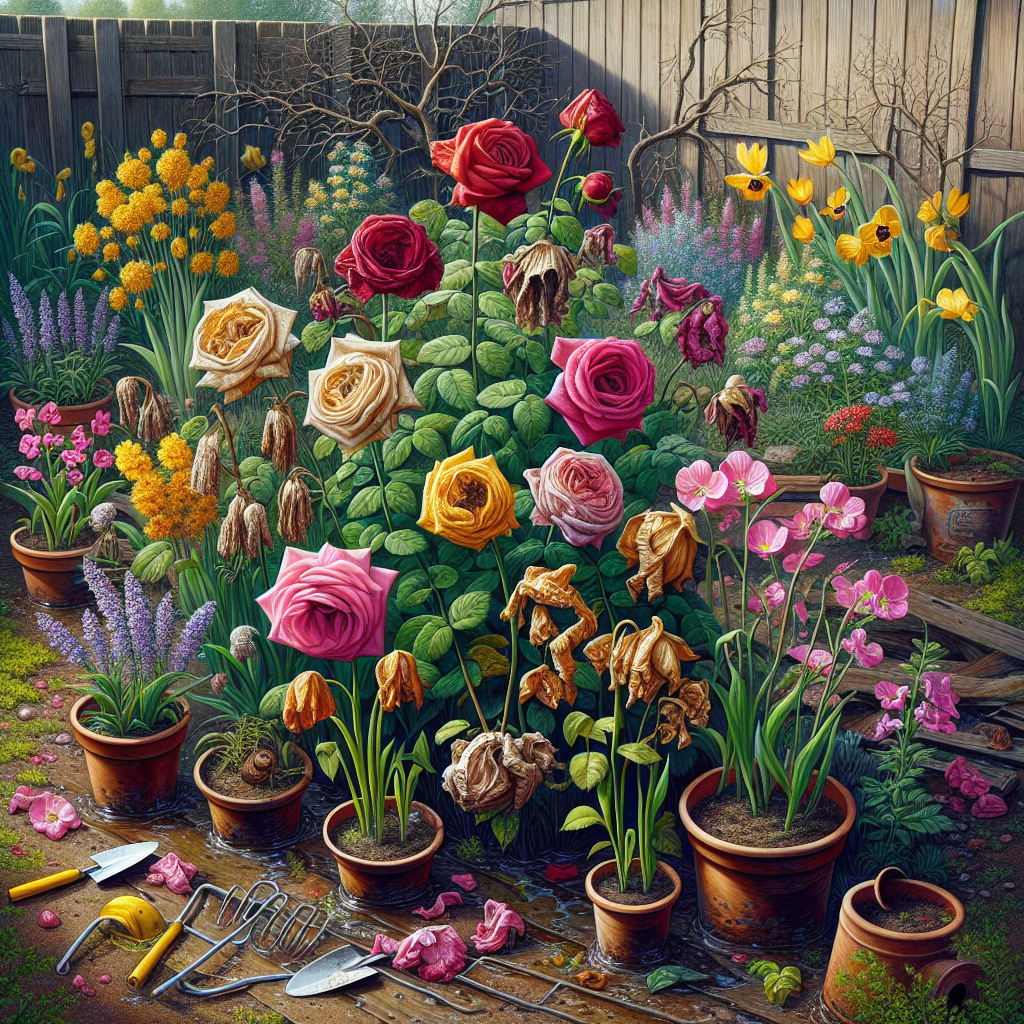
Cut flower gardens can be a delightful addition to any home or business. They offer beauty, fragrance, and the joy of nurturing plants, while simultaneously providing an income stream for those ambitious enough to sell their blooms. However, despite their allure, many cut flower gardens fall short of expectations. This article seeks to explore the numerous reasons why cut flower gardens fail, identify common pitfalls, and provide research-backed guidance to turn potential failures into flourishing successes.
Understanding Cut Flower Gardens
Before delving into the reasons for failure, it’s essential to define what a cut flower garden is. A cut flower garden is a space where flowers are cultivated specifically for cutting and arranging. This can range from a small backyard plot to a sizable commercial endeavor. The primary goal is to produce high-quality blossoms that can be sold to florists, at markets, or directly to customers.
Common Misconceptions
-
“It’s as Easy as Planting Flowers.”
- Many believe that simply planting flowers and waiting for them to bloom will yield successful results. However, successful cut flower gardening involves a deep understanding of plant biology, market trends, and horticultural practices.
-
“Any Flower Will Do.”
- Not all flowers are suitable for cutting. Some may wilt quickly, while others may lack the vibrant colors or long stems preferred by consumers. Knowing which flowers thrive in your specific climate and market is crucial.
-
“Success Comes Instantly.”
- Gardening, like any other endeavor, involves patience. Flowers take time to establish, grow, and bloom. New gardeners often give up too soon when they don’t see immediate results.
Why Do Cut Flower Gardens Fail?
1. Poor Site Selection
Q: What makes site selection crucial for a cut flower garden?
Selecting the right location for a cut flower garden is essential. Temperature, sunlight, and soil conditions directly impact flower quality.
- Sunlight: Most flowering plants require a minimum of six hours of direct sunlight daily. Gardens tucked away in shady spots often fail to produce the desired results.
- Soil Quality: Effective drainage and nutrient-rich soil are vital for healthy plants. Conducting soil tests can help determine pH and nutrient levels, allowing for necessary amendments.
2. Wrong Flower Choice
Q: How do I choose the right flowers for my garden?
Choosing the wrong varieties is one of the most common reasons cut flower gardens fail. Factors to consider include:
- Climate Compatibility: Certain flowers thrive in specific hardiness zones. Researching local growing conditions can prevent disappointment.
- Market Demand: Understanding local consumer preferences can guide flower selection. Popular choices may include sunflowers, zinnias, and peonies, but regional tastes can vary.
3. Ineffective Gardening Practices
Q: What gardening practices lead to cut flower garden failure?
Successful cut flower gardening requires more than just planting. Here are some key elements:
- Watering: Inconsistent watering can lead to stress in plants. A regular watering schedule is essential, particularly during dry spells. Drip irrigation may be a wise investment for larger gardens.
- Fertilization: Nutrient deficiencies can stunt growth and hinder blooming. A balanced fertilizer tailored to flowering plants may significantly improve outcomes.
- Pest and Disease Management: Ignoring pest issues can decimate a flower garden. Integrated pest management (IPM) practices can provide eco-friendly solutions.
4. Neglecting Seasonal Timing
Q: How does timing affect cut flower gardening?
Planting flowers at the wrong time of year is another pitfall. Understanding local climate patterns and seasonal transitions is essential.
- Frost Dates: Late frosts can damage young plants. Knowing your local last frost date allows for better planning.
- Blooming Schedules: Planning for continuous blooming throughout the growing season involves staggering planting times and selecting varieties with different bloom cycles.
5. Inadequate Harvesting Techniques
Q: What are the best practices for harvesting flowers?
Harvesting flowers improperly can affect their viability in arrangements:
- Timing: Flowers should be harvested in the early morning or late afternoon when temperatures are cooler. This reduces stress on harvested blooms.
- Tools: Using sharp and clean tools minimizes damage. It’s also important to avoid pulling flowers from plants, as this can harm their growth.
6. Marketing and Sales Challenges
Q: How do marketing challenges impact cut flower gardens?
Even with great blooms, poor marketing can thwart success. Understanding your target audience and harnessing effective selling channels is crucial.
- Local Farmers’ Markets: These can be excellent sales venues, but reservations, booth design, and customer interaction skills are vital.
- Online Selling: Setting up an eCommerce platform can expand reach, but it requires knowledge of digital marketing and logistics.
7. Lack of Business Planning
Q: Why does having a business plan matter in cut flower farming?
Many aspiring commercial flower growers dive in without a solid plan. Business planning is essential for several reasons:
- Budgeting: Knowing your initial investment and ongoing costs will help avoid financial pitfalls. This includes understanding the costs associated with seeds, soil amendments, marketing, and labor.
- Growth Strategy: Setting short-term and long-term goals clarifies what success looks like. This could involve expanding flower varieties, increasing marketing efforts, or entering new markets.
Pathways to Success: Turning Failures into Flourishing Gardens
1. Educate Yourself
Invest time in learning about horticulture, the flowers you wish to cultivate, and effective gardening techniques. Resources like gardening books, workshops, and online courses can be invaluable.
2. Create a Detailed Plan
- Site Assessment: Evaluate your space based on sunlight, soil, and drainage. If the site is unsuitable, consider container gardening or raised beds.
- Flower Selection: Choose flowers based on local climate, soil conditions, and market demand.
- Budget Forecasting: An accurate budget will account for the costs and expected returns of your cut flower garden.
3. Engage with the Local Community
Develop connections with local horticulturalists and fellow flower growers for advice and mentorship. Community support can provide valuable insights and encouragement.
4. Trial and Error
Don’t be afraid to experiment with different flower varieties and techniques. Keeping a gardening journal can help you note successes and failures, allowing you to refine your approach over time.
5. Diversify Your Offerings
If initial efforts focus only on one or two flower types, consider introducing diversity. This not only expands your marketability but also mitigates risks if one variety doesn’t perform well.
6. Regular Maintenance
Invest time in tracking the progress of your plants and ensuring proper care. Regularly inspect for pests, water needs, and other maintenance that may hinder growth.
7. Build a Brand
Sharing your story as a cut flower gardener can resonate with customers. Use social media platforms to highlight your flower varieties, cultivation methods, and unique offerings.
Conclusion
A cut flower garden has the potential to be a beautiful and lucrative venture, but it requires meticulous planning, dedicated care, and a willingness to learn from failures. Understanding the pitfalls—like poor site selection, inappropriate flower choices, inadequate care, or lack of marketing savvy—can prepare aspiring gardeners for the challenges ahead.
By adopting best practices, engaging the community, and investing in education, any cut flower garden can transform setbacks into blooms of success. Whether you’re gardening for personal joy or to carve out a niche in the floral market, the path to flourishing continues to be paved with both challenges and growth opportunities. Happy gardening!