
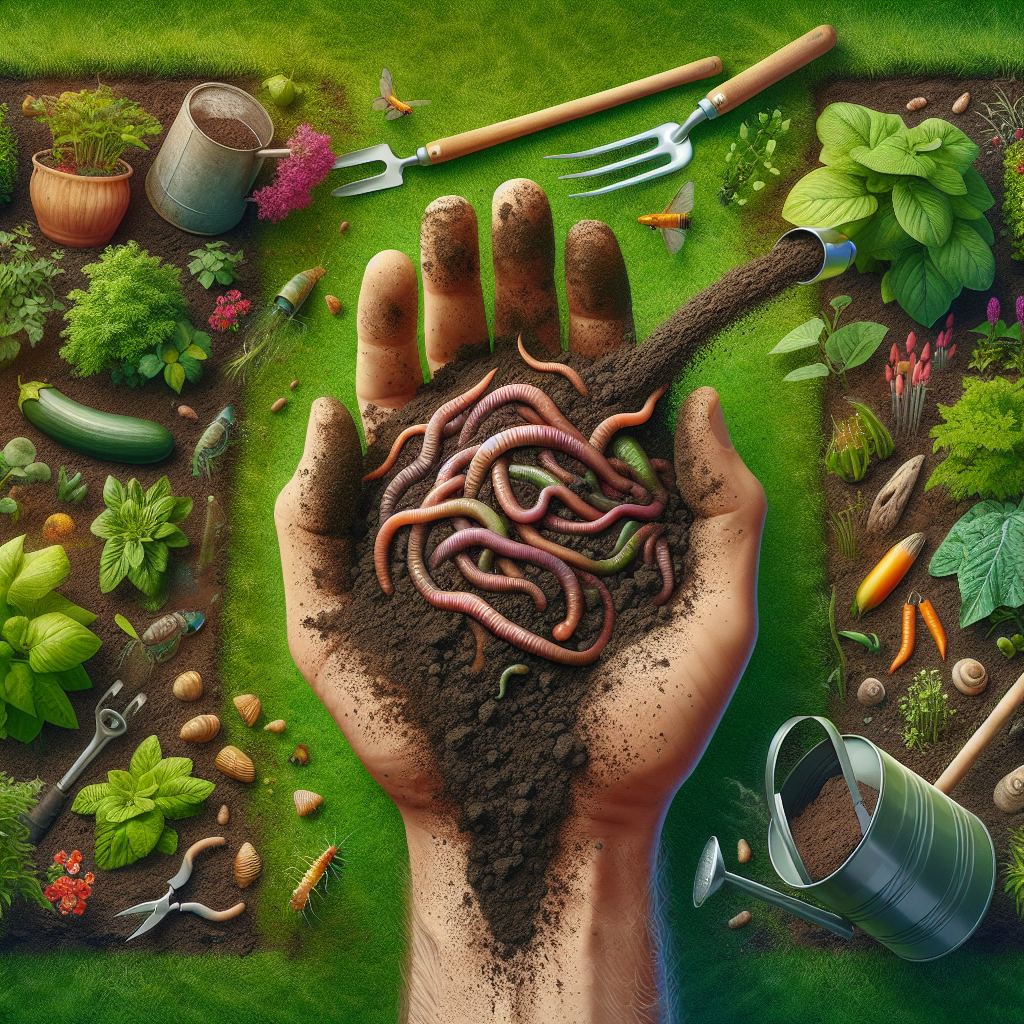
Clay soil is often viewed as a challenge for gardeners, but with the right knowledge and techniques, it can transform into a fertile paradise for plants. This guide delves deeply into the characteristics of clay soil, why it poses challenges, and effective strategies to improve its quality. So, let’s dig into how to work with what you have to cultivate a lush garden.
Understanding Clay Soil
What is Clay Soil?
Clay soil is composed of very fine mineral particles and virtually no organic material. It is heavy and dense, making it particularly challenging for plant roots to penetrate. The particles in clay soil are packed tightly, resulting in poor drainage and aeration. This characteristic causes water to pool on the surface, leading to waterlogging during rainy seasons.
What Are the Signs of Clay Soil?
- Heavy and Dense Texture: Clay soil feels sticky when wet and hard when dry.
- Poor Drainage: Rainwater tends to sit on the surface rather than draining away.
- Cracks: Dry clay soil can develop cracks, which may deepen as water evaporates.
- Limited Root Growth: Plants may struggle to establish healthy root systems due to compactness.
Why Is Improving Clay Soil Important?
- Enhanced Drainage: Healthy soil will prevent waterlogging and create a more suitable environment for root growth.
- Better Nutrient Retention: Improved clay soil can hold essential nutrients, making them more accessible to plants.
- Increased Aeration: Loosening the soil allows for better airflow, promoting healthy microbial activity.
- Stronger Plant Growth: Ultimately, improving clay soil leads to healthier plants, greater yields, and a more vibrant garden.
Common Questions About Improving Clay Soil
What are the best materials to amend clay soil?
One of the most effective ways to improve clay soil is through the addition of organic matter. Here are some key amendments:
- Compost: This nutrient-rich organic material enhances soil structure and promotes microbial activity.
- Aged Manure: Adds nutrients and improves soil texture. Always use well-aged manure to prevent burning plant roots.
- Peat Moss: Helps retain moisture while also improving drainage.
- Wood Chips or Bark: These can help aerate the soil when mixed in, though they can initially tie up nitrogen as they decompose.
- Sand: While often recommended, sand should be used with caution; it must be coarse, and the mixture should be at least 50% organic matter to avoid creating a concrete-like texture.
How do I add amendments to clay soil?
Adding amendments is straightforward:
- Till the Soil: Loosen the top few inches of soil with a shovel or rototiller. This helps the amendments to mix thoroughly.
- Spread the Amendments: Add a layer of your chosen organic material over the loosened soil.
- Mix Thoroughly: Incorporate the amendments into the clay soil using a garden fork, tiller, or shovel. Aim for at least 50% organic matter in the mix for optimal results.
- Rake Level: Smooth out the surface to create a level planting area.
How often should I amend my clay soil?
Soil amendment should be an ongoing process:
- Seasonally: Add compost or organic matter in the spring and fall to continually enrich your soil.
- Once per Year: At a minimal, enrich the soil at least once per year to maintain its structure and nutrient levels.
What are some plants that thrive in clay soil?
While many plants dislike clay soil, several varieties can adapt and even thrive:
- Caryopteris (Blue Mist Spirea): Tolerates heavy soil and thrives with little care.
- Willows (Salix): Naturally grows in wet, heavy soils and drains well.
- Astilbe: Enjoys wet conditions and can brighten shady areas in your garden.
- Joe-Pye Weed (Eutrochium): A perennial that tolerates clay and attracts pollinators.
Should I consider building raised beds for clay soil?
Building raised beds offers several advantages:
- Better Drainage: Raised beds allow for better drainage away from plants.
- Soil Control: You can fill the beds with a customized soil mix that addresses clay’s limitations.
- Easier Access: Elevated beds can ease the strain of gardening for those with mobility challenges.
Techniques for Improving Clay Soil
1. Tilling and Aeration
Regular tilling can help aerate clay soil, making it more manageable. However, it’s crucial not to over-till, as this can compact layers below the surface. A garden fork or broad fork can be an excellent alternative for aerating without disturbing the soil excessively.
2. Mulching
Adding a layer of organic mulch, such as straw, wood chips, or compost, can significantly improve clay soil over time. As the mulch breaks down, it introduces microorganisms and helps retain moisture while preventing erosion and suppressing weeds.
3. Crop Rotation
Planting different crops in different seasons helps break up soil compaction and fosters diversity. This not only improves soil health but also reduces pest and disease buildup.
4. Cover Cropping
Planting cover crops, such as clover or buckwheat, can enhance soil structure. These crops add organic matter when tilled under and can fix nitrogen, providing an excellent nutrient source when decomposed.
5. Soil Testing
Before making amendments, it’s wise to conduct a soil test. Understanding your soil’s pH and nutrient content helps determine the best amendments for your specific needs. Tests are available through local universities or gardening centers.
Additional Considerations
pH Levels
Most plants prefer a slightly acidic to neutral pH (6.0–7.0). If your clay soil is overly acidic, you might add lime to increase the pH. Conversely, if it’s too alkaline, sulfur can help lower the pH.
Water Management
Because clay holds onto water, checking drainage is essential. Creating swales or rain gardens can help manage excess water and prevent pooling, giving your plants a hydrated yet well-drained environment.
Avoid Compaction
Over-tilling and walking on wet clay soil can lead to further compaction. Establish designated paths around planting areas to keep soil structure intact. Using boardwalks or stepping stones can mitigate soil erosion and compaction.
Establishing a Maintenance Routine
Once you’ve made the initial improvements to your clay soil, maintaining its quality is key.
Regular Weeding
Weeds can compete for nutrients and water. Regularly pulling them out, especially before they set seeds, can help keep your garden healthy.
Fertilization
Using organic fertilizers annually will replenish the nutrients that are washed away over time. Slow-release fertilizers are beneficial, as they provide a steady source of nutrients without overwhelming plants.
Monitoring Soil Moisture
Investing in a moisture meter can help. This ensures that you’re not over-watering your plants, which is crucial, especially in clay soil.
Conclusion
Improving clay garden soil is a journey that pays off with thriving plants and bountiful harvests. By understanding its characteristics and employing effective techniques, gardeners can turn this seemingly inhospitable environment into a thriving ecosystem.
Remember, patience is key; soil improvement is not an overnight endeavor. With time, effort, and ongoing care, your garden will flourish, showcasing the beauty of what is possible with clay soil. Embrace the challenge and watch your hard work develop into a vibrant, healthy garden. Happy gardening!