
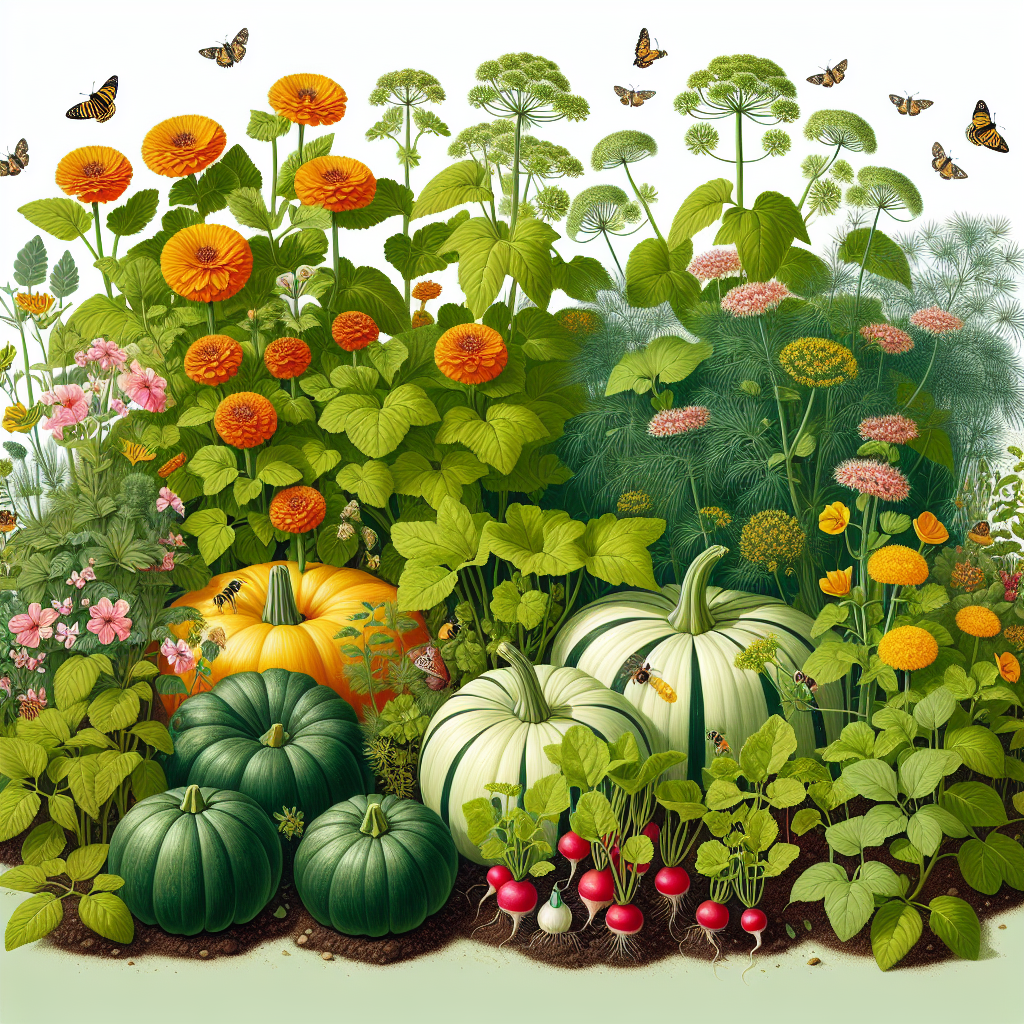
Growing summer squash can be an immensely rewarding experience for home gardeners, but there’s one strategy that can amplify your successes: companion planting. By understanding which plants work harmoniously together, we can improve yields, deter pests, enhance flavor, and create a balanced garden ecosystem. This comprehensive guide will delve deep into the world of companion plants for summer squash, addressing common questions and providing practical tips along the way.
What is Companion Planting?
Companion planting is an age-old gardening practice where certain plants are grown close to one another to promote various benefits. These benefits can include deterring pests, attracting beneficial insects, enhancing nutrient uptake, and improving overall plant health.
Why is Companion Planting Important for Summer Squash?
-
Pest Control: Summer squash can be prone to pests like squash bugs, cucumber beetles, and aphids. Companion plants can help deter these pests naturally.
-
Nutrient Optimization: By growing certain plants together, they can share nutrients more effectively and improve soil quality.
-
Improved Pollination: Certain companion plants can attract pollinators, which can enhance the overall yield of squash.
-
Enhanced Flavor: Some companion plants can positively influence the flavor profiles of summer squash.
-
Maximized Space: Companion planting can help you utilize your gardening space more effectively, allowing for denser planting without sacrificing health or yield.
Questions About Companion Plants for Summer Squash
1. What Are the Best Companion Plants for Summer Squash?
When considering companion plants for summer squash, it’s essential to choose varieties that have complementary growing habits and pest-repelling properties. Some of the best companion plants for summer squash include:
-
Nasturtiums: These vibrant flowers attract aphid-eating insects and can deter squash pests. They also deter beetles and can serve as a trap crop, drawing pests away from squash.
-
Marigolds: Known for their pest-repelling properties, marigolds can deter nematodes and attract beneficial pollinators. They create a vibrant visual appeal, making your garden colorful while protecting squash.
-
Basil: Not only is basil a fantastic culinary herb, but it can also enhance the flavor of squash. It’s believed to repel flies and mosquitoes, aiding in overall pest management.
-
Corn: Tall corn plants provide natural shading for summer squash, which can be beneficial in hotter climates. Corn’s height can also offer protection against wind.
-
Beans: Pole beans can be an excellent companion as they fix nitrogen in the soil, enriching it for squash. Additionally, they can provide a natural trellis for climbing.
-
Radishes: These can act as a trap crop, catching pests that would otherwise attack the squash.
-
Peppers: Planting peppers alongside summer squash can help deter pests due to their pungent smell.
2. What Plants Should Not be Grown with Summer Squash?
While many plants can work well with summer squash, others can hinder growth or attract pests. Here are some plants to avoid:
-
Cucumbers: Both cucumbers and squash are susceptible to similar pests and diseases, making them less than ideal companions.
-
Potatoes: These can compete for nutrients and attract pests like the Colorado potato beetle, which may also affect squash.
-
Tomatoes: While they may not be directly harmful, tomatoes compete for similar nutrients, which can limit growth.
3. How Do Companion Plants Improve Soil Quality?
Certain companion plants can enhance soil quality through the following processes:
-
Nitrogen Fixation: Legumes such as beans can fix nitrogen in the soil, enriching it for nutrient-hungry summer squash.
-
Root Structure: Some plants have deep roots that can access nutrients unavailable to squash roots. This can help create a more balanced nutrient distribution in the garden.
-
Soil Cover: Some companion plants can help prevent soil erosion and maintain moisture levels, which is crucial for summer squash.
4. Can Companion Planting Help with Pest Management?
Absolutely! Many companion plants possess natural pest-repelling properties:
-
Nasturtiums: As mentioned earlier, they can deter aphids and act as a trap crop.
-
Marigolds: They are particularly effective in repelling nematodes and certain beetles.
-
Common Herbs: Herbs like basil and dill can attract beneficial insects such as ladybugs, which consume aphids.
5. How Can I Incorporate Companion Planting into My Garden Design?
To incorporate companion planting effectively, consider the following tips:
-
Planning: Start by sketching your garden layout. Determine where your summer squash will be planted and what companion plants can be placed nearby.
-
Succession Planting: Grow fast-maturing companion plants alongside summer squash. These plants can be harvested before the squash matures, giving you a productive garden while maximizing space.
-
Vertical Growth: Use vertical gardening techniques with climbing companions like beans to save space and enhance air circulation around your squash.
-
Sequential Planting: Plan to stagger planting times for companions to maximize benefits over the growing season.
6. How Do Companion Plants Affect Harvest Time?
While companion planting generally doesn’t affect the time it takes for summer squash to mature, it can lead to a healthier plant, potentially leading to increased yields. Enhanced vigor in the plant can result in earlier production, meaning that a well-thought-out companion planting strategy can indirectly affect the timing of your harvests.
Tips for Successful Companion Planting with Summer Squash
-
Spacing: Ensure that companion plants are spaced appropriately to allow air circulation, avoiding issues with powdery mildew or other fungal diseases.
-
Watering Needs: Ensure that companion plants have similar watering needs to avoid over- or under-watering any plant.
-
Sunlight Requirements: All plants involved should have similar sunlight requirements. Summer squash typically requires full sun (6-8 hours a day).
-
Soil Requirements: Check for similar soil pH and drainage needs to ensure compatibility.
-
Continuous Observation: Keep an eye on your companions. If you notice any negative interactions (such as wilting or pest issues), be ready to adjust.
The Life Cycle of Summer Squash and Companion Plants
To optimize your growing strategies, understand the life cycle of summer squash and how your companion plants fit into the timeline.
Germination and Early Growth
Summer squash typically germinates within 7-10 days post-planting. Your chosen companions should be sown at compatible times. For example, radishes and beans can be sown simultaneously with squash. Their rapid growth can protect newly sprouted squash from pests.
Mid-Season Growth
Around mid-season, summer squash vines will begin to spread and develop flowers. Continue to ensure that companion plants such as basil remain well-established, as they will contribute to pest management and enhance flavor.
Flowering and Pollination
Successful pollination is key to maximizing squash yields. As squash flowers emerge, ensure that companion plants attract pollinators by maintaining blooming varieties nearby. Flowers like marigolds and nasturtiums can serve this purpose.
Harvest Time
Summer squash is generally ready to harvest within 50-70 days of planting. At this stage, you’ll appreciate the combined effects of companion plants on your yield and plant health.
End of Season Care
Once harvest is complete, consider planting cover crops such as clover or vetch to replenish nutrients before the next planting season. This helps maintain soil fertility, particularly if you’ve grown nutrient-hungry companions.
Conclusion
Companion planting is an invaluable technique in gardening that can enhance both productivity and the overall health of your garden ecosystem. With the right strategies, you can grow summer squash in harmony with a variety of companion plants, leading to not only bountiful harvests but also a beautiful and flourishing garden.
By understanding and implementing the principles and practices of companion planting, you’ll be better equipped to tackle the challenges of gardening while maximizing the joys it offers. Armed with knowledge about the best companions and practices for summer squash, you can experience gardening in a whole new light while enjoying the fruits (or vegetables) of your labor.
Happy gardening!