
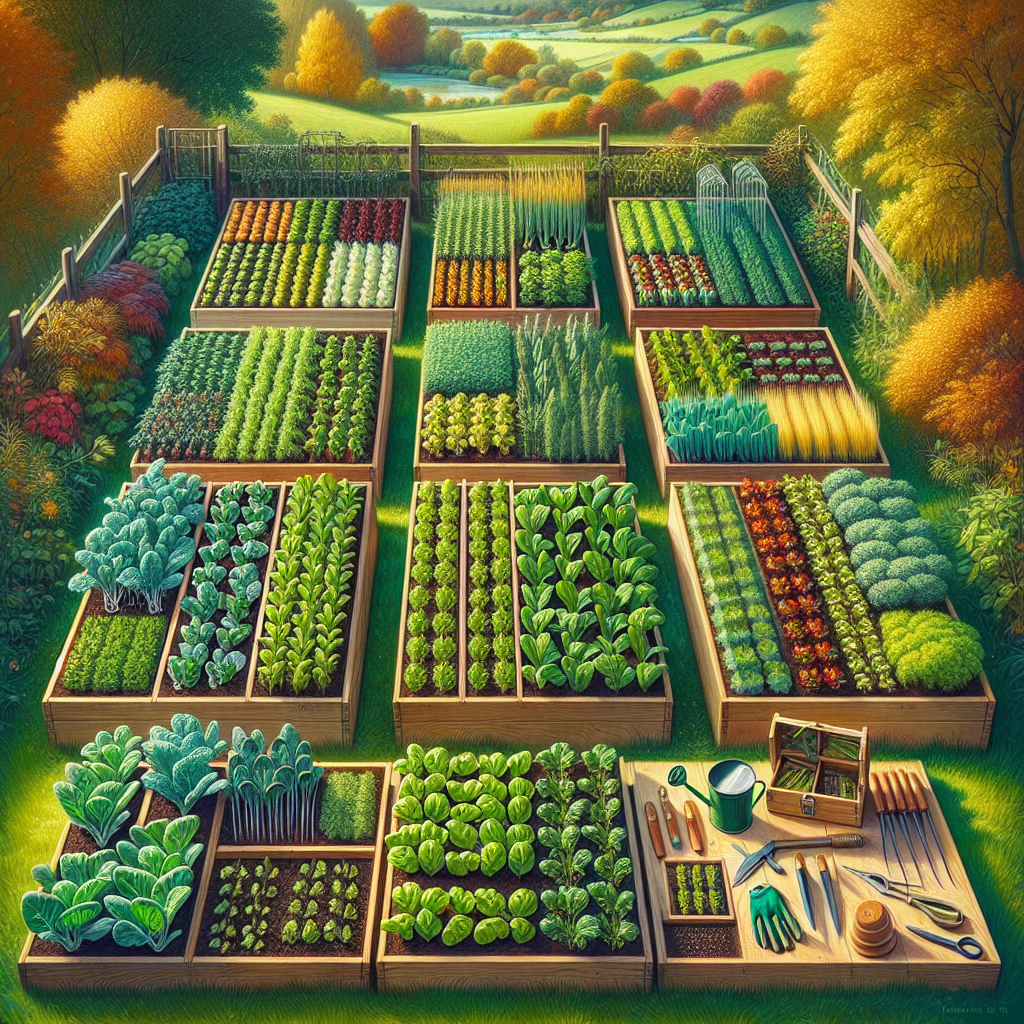
Cold frame gardening is an excellent way to extend the growing season, allowing gardeners to cultivate a variety of plants even in challenging climates. If you are in USDA Hardiness Zone 6, you are in for a treat—this zone offers a wide array of opportunities for cold frame gardening. In this article, we’ll delve deep into what cold frames are, their benefits, what to grow, how to maintain one, and answer common questions gardeners in Zone 6 might have. Let’s explore the fascinating world of cold frame gardening!
What is a Cold Frame?
A cold frame is essentially a mini-greenhouse—a structure that protects plants from harsh weather conditions while still allowing light and air to circulate. Typically framed with wood or metal and covered with a transparent material like glass or plastic, cold frames create a warm microclimate that can significantly extend your growing season.
How Does a Cold Frame Work?
The basic mechanism behind a cold frame is simple: sunlight enters the frame, warms the soil and air within, and is trapped by the transparent cover. At night, temperatures can drop, but the cold frame retains much of the heat gathered throughout the day, protecting the plants inside from frost damage.
Benefits of Cold Frame Gardening
1. Extended Growing Season
For Zone 6, where the average last frost date is around late April, cold frames can facilitate planting early in the spring and extending the harvest late into the fall, sometimes even into winter.
2. Protection from Harsh Weather
Cold frames shield your delicate plants from harsh winds, heavy rain, and snow while allowing them to soak up sunlight.
3. Pest Control
By keeping young plants sheltered, cold frames can reduce the risk of pests and diseases that might harm tender seedlings.
4. Versatility
Cold frames can be used for starting seeds, hardening off seedlings, or protecting late-season crops. Their versatility suits both novice and experienced gardeners.
5. Resource Efficient
Many gardeners find that building a cold frame can be a sustainable project, using reclaimed materials like old windows or wood scraps.
What to Grow in a Cold Frame in Zone 6
Zone 6 offers a wide variety of vegetables, herbs, and flowers that can thrive in cold frames. Here are some categories:
1. Leafy Greens
Lettuce, spinach, kale, and Swiss chard flourish in the cooler temperatures that cold frames offer. Start them early in the spring or continue growing into the fall.
2. Root Vegetables
Carrots, radishes, beets, and turnips are excellent choices. Planted in early spring, they can be harvested throughout the summer. You can also sow them late in the summer for a fall harvest.
3. Brassicas
Cabbage, broccoli, and cauliflower can benefit significantly from the protection of a cold frame, achieving better growth and quality.
4. Herbs
Parsley, cilantro, and chives can be easily grown in a cold frame, offering fresh seasonings for your culinary creations.
5. Flowers
Cold frames can support flowers like pansies and calendulas, allowing for an early bloom and an extended flowering season.
Building Your Own Cold Frame
Constructing a cold frame is a DIY project that anyone can tackle, regardless of skill level. Below is a straightforward guide to building one.
Materials Needed
- Wooden boards (2×6 or 2×4 is ideal)
- Hinged glass or clear plastic panels
- Optional: Old windows for a rustic look
- Screws, nails, or wood glue
- Hinges (if using glass or panels)
Step-by-Step Process
-
Assemble the Frame
Create a rectangular box with your wooden boards. It should be at least 2 feet deep and 3-4 feet wide. Customize the length according to your needs.
-
Add Height Gradually
A slanted roof helps maximize sun exposure and shed rain. Set one side of the frame taller by making one side of the frame higher than the other—this can be done simply by cutting the boards at different lengths.
-
Attach the Lid
Securely attach the glass or plastic panels to create the lid. Use hinges so it can open easily for ventilation.
-
Location, Location, Location
Position your cold frame in a location that gets at least six hours of sunlight daily. It should ideally face south or west to catch the most warmth.
-
Fill It with Soil
Use a good-quality potting mix or a mix of compost and topsoil to fill your cold frame. This is where your plants will grow, so ensure it is rich in nutrients.
Maintaining Your Cold Frame
To ensure that your cold frame gardens thrive, consistent monitoring and care are necessary.
1. Ventilation
On sunny days, temperatures can soar inside the cold frame. Ensure you open the lid to allow hot air to escape. Conversely, on chilly days, keep it closed to maintain warmth.
2. Watering
Use a moisture meter to avoid over or under-watering. The soil in a cold frame can dry out faster than outdoor gardens due to warmth and wind.
3. Fertilization
Use organic fertilizers sparingly. Too much can overwhelm the plants. Focus on balanced, slow-release options.
4. Pest Management
Regularly inspect for pests like aphids and caterpillars. Companions like marigolds or introductions such as ladybugs can help maintain a healthy insect balance.
FAQs About Cold Frame Gardening in Zone 6
1. When can I start planting in my cold frame?
You can begin planting as soon as the soil is workable in early spring, typically around late March to early April in Zone 6.
2. What if it gets too hot inside the cold frame?
Ensure that you monitor temperatures frequently. Ventilation is critical. If necessary, temporarily remove the lid or create vents for airflow.
3. Can I use a cold frame for overwintering plants?
Absolutely! Cold frames are ideal for overwintering hardier plants. Just be sure to insulate with straw or other materials to retain warmth.
4. How do I protect my cold frame from harsh winter weather?
Consider adding extra insulation, such as straw bales, around the frame. Heavy snow can weigh down the structure, so regularly clear it off to prevent breakage.
5. Do I need a heater inside my cold frame?
Generally, for Zone 6 gardens, additional heating is unnecessary, but if you want to grow tender plants during the winter, consider a small heater or heat mats.
Challenges of Cold Frame Gardening
While cold frames offer numerous benefits, they aren’t without challenges.
1. Temperature Fluctuations
Rapid temperature changes can stress plants, so careful monitoring is essential.
2. Limited Space
Due to the compact nature of cold frames, efficiently using the available space can be challenging, especially as plants grow.
3. Pest Intrusion
Small animals or larger pests might try to invade. Installing a secure lid and proper barriers can help mitigate this risk.
Conclusion
Cold frame gardening in Zone 6 is a rewarding venture that not only allows you to enjoy fresh vegetables and herbs long before and after traditional gardening seasons but also engages you with nature as you care for your plants. By constructing your cold frame thoughtfully and maintaining it diligently, you’ll be well on your way to enjoying bountiful harvests year-round.
Whether you’re an experienced gardener or just starting, the cold frame offers a world of possibilities. Set your ambitions high, and let your green thumb flourish, making this year your best gardening year yet. Happy planting!