
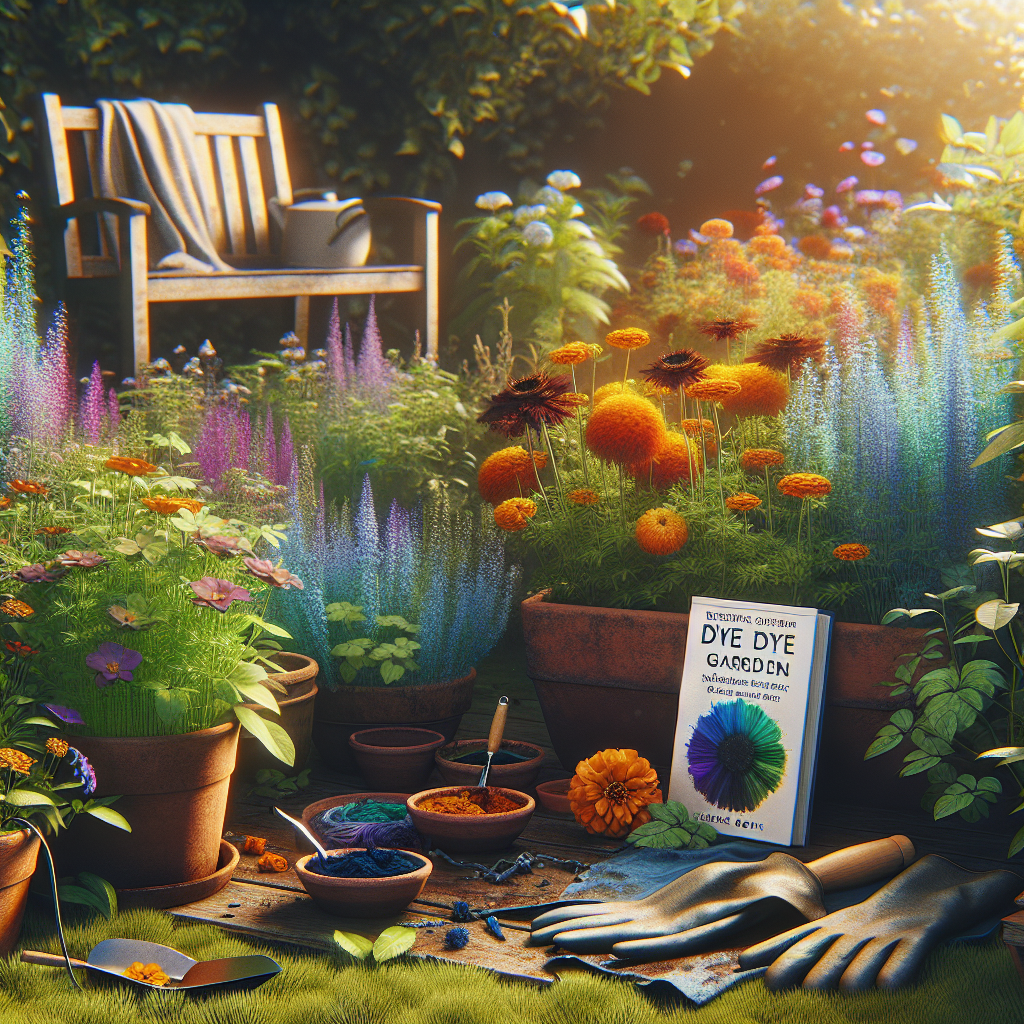
Creating a dye garden is a delightful venture that bridges the art of gardening with the creative realm of textile and craft. As the world gravitates towards sustainability and natural materials, the revival of dyeing with plants offers more than just beautiful colors— it fosters a connection to nature, nurtures creativity, and educates us about the history and processes involved in producing dyes. This comprehensive guide will provide you with everything you need to know about planting your own dye garden: from the basics of dye extraction to detailed information on various plants suitable for the task, as well as tips and tricks for crafting your own dyes.
What Exactly Is a Dye Garden?
A dye garden is a garden specifically designed for growing plants that are used to produce natural dyes. These plants can yield a spectrum of colors that can be employed in fabric, yarn, or even paper dyeing. The appeal of a dye garden lies not only in its aesthetic beauty but also in its functional use as a source of vibrant, eco-friendly color.
Historical Context of Natural Dyes
Natural dyes have been utilized for thousands of years by cultures around the world. Ancient civilizations, from the Mayans with indigo to the Japanese with indigo and other plants, revered these plants for their ability to impart color to textiles. The industrial revolution ushered in synthetic dyes, which, while convenient and vibrant, have raised concerns over pollution and health. Thus, natural dyeing is witnessing a revival as people seek sustainable alternatives.
Why Should You Plant a Dye Garden?
-
Sustainability: Natural dyes are biodegradable and often non-toxic, making them a more sustainable choice compared to synthetic dyes.
-
Aesthetic Beauty: A dye garden bursts with color, providing a visually stimulating landscape that changes with the seasons.
-
Culinary and Medicinal Uses: Many plants that yield dye also have culinary or medicinal properties. This dual-purpose aspect adds further value to your garden.
-
Learning Experience: Planting a dye garden is an excellent opportunity to learn about botany, ecology, and traditional crafting techniques.
-
Creativity: Engaging with your dye garden offers an immersive creative outlet, allowing you to experiment with colors and fabrics.
What Plants Should You Include in Your Dye Garden?
The beauty of a dye garden lies in the variety of plants you can include. Here are some notable examples, along with the colors they produce.
1. Indigo (Indigofera tinctoria)
- Color: Rich blue
- Light Requirements: Full sun
- Soil Types: Well-drained, nutrient-rich soil
- Growing Tips: Indigo needs warm temperatures; plant seeds after the last frost. It thrives in rich, well-draining soil and benefits from regular watering, but avoid waterlogging.
2. Madder (Rubia tinctorum)
- Color: Reds and oranges
- Light Requirements: Full sun to partial shade
- Soil Types: Loamy soil with good drainage
- Growing Tips: Madder takes a couple of years to mature, but the roots are rich in alizarin, which yields beautiful reds. Ensure it has consistent moisture.
3. Weld (Reseda luteola)
- Color: Bright yellow
- Light Requirements: Full sun
- Soil Types: Well-draining sandy soil
- Growing Tips: Weld is a biennial plant, so plant it in rich, well-drained soil. It can tolerate drought once established.
4. Yellow Coneflower (Ratibida columnifera)
- Color: Yellow
- Light Requirements: Full sun
- Soil Types: Well-drained soil
- Growing Tips: This perennial is not only a great dye plant but also attracts pollinators. It can tolerate poor soil conditions.
5. Coreopsis (Coreopsis tinctoria)
- Color: Yellow to orange
- Light Requirements: Full sun
- Soil Types: Fertile, well-draining soil
- Growing Tips: Coreopsis is a hardy plant that thrives in various conditions. Regular deadheading can promote blooming.
6. Hibiscus (Hibiscus sabdariffa)
- Color: Red to pink
- Light Requirements: Full sun
- Soil Types: Well-draining soil, rich in organic matter
- Growing Tips: This tropical plant thrives in warm, sunny conditions. Regular watering is essential during dry spells.
7. Black Walnuts (Juglans nigra)
- Color: Dark brown to black
- Light Requirements: Full sun
- Soil Types: Well-drained, loamy soil
- Growing Tips: Collected husks can be used for dyeing. It’s best to soak the husks in water to extract the color.
8. Bamboo (Bambusoideae)
- Color: Light green
- Light Requirements: Full sun to partial shade
- Soil Types: Moist, well-drained soil
- Growing Tips: Bamboo can also grow quickly, offering shade and privacy to your dye garden.
How Do You Extract Dyes from Plants?
After selecting the right plants for your dye garden, the next step is to learn how to extract dyes from them. Here’s a step-by-step guide on how to do this effectively.
Step 1: Harvesting
- Timing: Harvest plants during their peak growth when the colors are most vibrant.
- Technique: Use sharp shears to cut leaves, flowers, or roots (like madder) to minimize damage to the plant.
Step 2: Preparation
- Cleaning: Rinse the harvested material to remove dirt and pests.
- Chopping: Chop larger pieces into smaller bits to allow for more surface area in the dye extraction.
Step 3: Dye Extraction
-
Simmering: Place your plant material in a pot and cover it with water. Bring to a gentle simmer for about an hour or until the water changes color.
-
Straining: Once the desired color is achieved, strain the plant material using a fine mesh strainer or cheesecloth, discarding the plant material.
-
Dye Fixative: Plant dyes can be set using a mordant, which helps bond the dye to the fabric. Common mordants include alum, iron, and vinegar. Always conduct a patch test to ensure colorfastness.
Step 4: Dyeing Fabric
-
Prepping Fabric: Clean and wet the fabric you wish to dye. This can help the dye penetrate better.
-
Dyeing Process: Submerge the wet fabric in the dye bath, stirring occasionally. The time will vary depending on the depth of color you desire—typically from 30 minutes to several hours.
-
Rinsing: After removing the fabric, rinse under cool running water until the water runs clear.
-
Drying: Hang your dyed fabric in a shady, ventilated area to dry. Avoid direct sunlight to prevent fading.
What Equipment Do You Need?
Investing in some basic tools can greatly simplify the process of dyeing fabrics naturally. Here’s a list of necessary items:
-
Large Pot: A stainless steel or enamel pot is ideal for dyeing.
-
Measuring Tools: To measure water and fabric.
-
Straining Device: A fine mesh strainer or cheesecloth for separating dye from plant material.
-
Stirring Utensils: Long wooden or stainless steel spoons for mixing.
-
pH Test Strips: To test the acidity of your mordant solutions.
-
Fabric: Natural fibers such as cotton, silk, wool, or linen will give the best results. Avoid synthetic materials as they do not bind well with natural dyes.
Frequently Asked Questions
What If I Don’t Have a Garden Space?
Don’t despair! Many dye plants can be grown in pots or containers. You can even utilize balcony or patio spaces. Herbs like indigo and weld thrive in smaller pots, making them perfect for limited spaces.
Can I Use Dried Plants for Dyeing?
Yes! Dried plant materials can still yield color, although often in a less potent form. Simply rehydrate them by soaking in water before extraction.
Is There a Difference Between Dyeing Cotton and Wool?
Yes, the structure of the fibers makes a significant difference. Wool tends to absorb dyes better due to its scaly surface, while cotton requires more vigorous mordanting for good results. Experimentation is key—keep records to learn which combinations yield the best results.
How Do I Avoid Uneven Color?
To achieve even color, ensure you stir the dye bath regularly and keep an eye on the fabric as it soaks. Remember, colors may vary based on the fabric material and the dye concentration.
How Long Will Natural Dyes Last?
Natural dyes can fade over time, especially when exposed to sunlight. Using a mordant can help increase colorfastness, but it’s essential to store dyed items away from direct sunlight to maintain vibrancy.
Conclusion: Your Path to a Radiant Dye Garden
Embarking on the journey of planting a dye garden is not just about producing beautiful colors; it’s about connecting to nature, history, and the artistry of crafting. Each step—from seed to dye—invites you to engage with the world around you, fostering a deeper appreciation for natural resources and the myriad of possibilities they offer.
As you plant, harvest, and dye, you’ll find a sense of satisfaction in knowing that the colors you use are not only beautiful but also sustainably sourced. Whether you are a seasoned artist or someone just diving into the world of crafts, your dye garden will be an ever-evolving testament to the fusion of nature and creativity.
So roll up your sleeves, gather your tools, and get ready to transform your landscape into a vibrant tapestry of colors, stories, and experiences! Whether you’re dyeing fabric for personal use, gifts, or even artistic expression, every bit of effort you put into your dye garden helps revive traditions and embraces a sustainable lifestyle, turning your little patch of earth into a canvas alive with hues derived from nature. Your dye garden awaits—let the colors of the earth guide your creativity!