
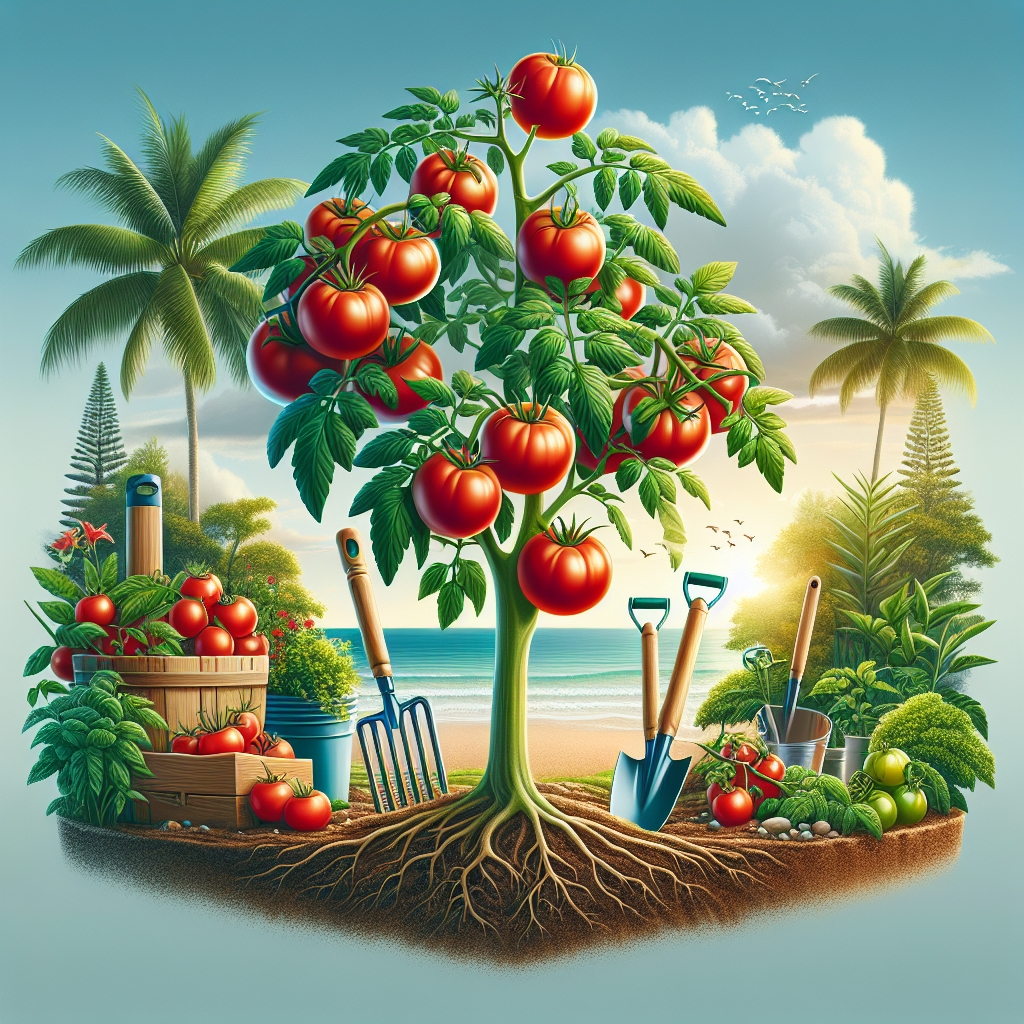
Tomatoes are a staple in many gardens across the United States, but Florida’s unique climate offers a myriad of opportunities and challenges for tomato growers. With the right knowledge and techniques, you can cultivate luscious, juicy tomatoes straight from your backyard. This article will delve deep into the nuances of growing tomatoes in Florida, covering everything from soil preparation to pest management.
Why Grow Tomatoes in Florida?
Florida’s warm, subtropical climate creates an ideal environment for growing tomatoes. The growing season extends nearly year-round in many parts of the state, allowing gardeners to enjoy multiple harvests. Florida also boasts a diverse array of tomato varieties, catering to various tastes and culinary needs.
Benefits:
- Extended Growing Season: Unlike in colder states, Florida gardeners can grow tomatoes throughout most of the year, taking advantage of the mild winters.
- Diverse Varieties: From heirloom to hybrid, Florida offers a rich selection of varieties that thrive in its unique climate.
- Freshness and Flavor: Homegrown tomatoes harvested at peak ripeness bring unparalleled taste that store-bought tomatoes often lack.
Choosing the Right Tomato Varieties for Florida
What Types of Tomatoes Should I Grow?
When selecting tomato varieties, consider the following categories:
-
Determinate Varieties: These tomatoes grow to a certain height and produce their fruit all at once, making them perfect for canning and sauces. Popular determinate varieties suitable for Florida include:
- ‘Roma’ – Ideal for sauces and canning.
- ‘Celebrity’ – A disease-resistant choice with excellent flavor.
-
Indeterminate Varieties: These continue to grow and produce fruit throughout the season. They need staking or cages for support. Varieties to consider:
- ‘Cherokee Purple’ – Known for its rich flavor and beautiful color.
- ‘Sun Gold’ – A prolific cherry tomato with incredible sweetness.
-
Hybrid Varieties: These are bred for disease resistance and consistency in production. Great options include:
- ‘Florida 91’ – Developed specifically for Florida’s climate.
- ‘BHN 640’ – Known for its uniformity and shelf life.
How Do I Choose the Best Varieties?
When selecting tomato varieties, consider the space you have, your culinary preferences, and the amount of sunlight your garden receives. Generally, a combination of determinate and indeterminate tomatoes offers a diverse harvest.
Soil Preparation: The Foundation of Healthy Plants
What Are the Best Soil Conditions for Tomato Growing?
Tomatoes prefer well-drained, sandy loam soil rich in organic matter. Here’s how to prepare your soil effectively:
- Test Your Soil: Use a soil testing kit to determine pH and nutrient levels. Tomatoes thrive in soil with a pH between 6.0-6.8.
- Amend the Soil: If your soil is too alkaline or acidic, amend it with lime or sulfur accordingly. Add organic matter in the form of compost or well-rotted manure to improve nutrient content and drainage.
- Tilling: Loosen the soil to a depth of at least 12 inches, mixing in organic matter for better aeration and drainage.
What Can I Add to Improve Soil Quality?
- Compost: Rich in nutrients and beneficial microorganisms.
- Peat Moss: Helps retain moisture and improves soil texture.
- Bone Meal and Blood Meal: Excellent sources of phosphorus and nitrogen, respectively, aiding in root development and overall plant health.
Planting Tomatoes: Timing and Techniques
When Should I Plant Tomatoes in Florida?
Timing your planting is crucial, as Florida has two main growing seasons: spring (late February to April) and fall (late August to September). For Transplanting Seeds:
- January to February: Start seeds indoors or in a greenhouse.
- Late February to April: Transplant seedlings outdoors after the last frost.
- August to September: Start seeds again for a fall crop.
What is the Best Planting Method?
- Spacing: Plant indeterminate tomatoes 24-36 inches apart and determinate varieties 18-24 inches apart for adequate airflow and sunlight.
- Planting Depth: Bury seedlings up to the first set of true leaves, promoting stronger roots and sturdier plants.
Watering: The Lifeblood of Tomato Plants
How Much Water Do Tomatoes Need in Florida?
Watering is crucial, particularly with the state’s sandy soils that drain quickly. Here are some guidelines:
- Frequency: Water deeply once or twice a week, ensuring the water reaches 6-12 inches deep.
- Signs of Underwatering: Leaves will wilt and dry out; fruit may develop blossom end rot.
- Signs of Overwatering: Yellowing leaves and root rot may occur.
What Is the Best Way to Water?
- Drip Irrigation: This method minimizes water waste and directs moisture to the roots, promoting healthier plant development.
- Mulching: Utilizing organic mulch like straw or grass clippings retains soil moisture and suppresses weeds.
Fertilizing Your Tomato Plants: Nutrient Needs
What Fertilizers Should I Use?
Tomatoes are heavy feeders and require balanced nutrients:
- Before Planting: Incorporate a slow-release fertilizer (10-10-10 or 14-14-14) into the soil.
- During Growth: Apply a water-soluble fertilizer every 4-6 weeks to promote blooming and fruit setting.
How Do I Know If My Tomatoes Are Getting Enough Nutrients?
- Healthy Leaves: Dark green leaves indicate good nitrogen levels. If they begin to yellow, nitrogen is lacking.
- Blossom End Rot: This common issue results from calcium deficiency, often exacerbated by inconsistent watering.
Pest Management: Protecting Your Tomato Plants
What Pests Should I Watch Out For?
Florida’s environment encourages pest activity. Monitor your plants for:
- Whiteflies: May cause yellowing leaves.
- Spider Mites: Thin webbing and stippling on leaves are signs.
- Tomato Hornworms: These pests can strip plants of foliage quickly.
How Can I Manage Pests Organically?
- Companion Planting: Grow marigolds, basil, and nasturtiums near tomatoes to attract beneficial insects and deter pests.
- Neem Oil: This natural pesticide can manage a range of pests effectively.
- Handpicking: For larger pests like hornworms, manually removing them is very effective.
Disease Prevention: Keeping Your Tomatoes Healthy
What Diseases Are Common in Florida Tomatoes?
Tomatoes are susceptible to diseases such as:
- Fungal Diseases: Early blight and late blight can cause leaf spots and deterioration.
- Bacterial Wilt: Characterized by wilting and yellowing of leaves.
How Can I Prevent These Diseases?
- Rotate Crops: Avoid planting tomatoes in the same spot consecutively for several seasons.
- Proper Spacing: Ensure good airflow between plants to minimize humidity.
- Water Early: Water at the base in the morning to ensure leaves dry quickly.
Harvesting: Ensuring the Best Flavor
When Should I Harvest My Tomatoes?
Timing your harvest is essential for flavor. Look for the following signs:
- Color: For most varieties, deep color indicates ripeness.
- Firmness: Gently squeeze; ripe tomatoes should feel slightly soft but firm.
- Fragrance: A sweet, earthy aroma typically indicates ripeness.
How Should I Harvest Tomatoes?
- Cutting vs. Pulling: Use pruners or scissors to harvest tomatoes to prevent damage to the plant.
- Handle with Care: Tomatoes bruise easily, so treat them gently during harvest.
Tips for Success: The Finishing Touches
What Additional Tips Should I Know?
- Staking and Caging: Support indeterminate varieties with cages or stakes to promote healthy growth and avoid diseases.
- Monitor Weather Conditions: Be mindful of Florida’s unpredictable weather; heavy rains may necessitate additional support or protection for your plants.
- Prevent Sunburn: Apply shade cloth during especially hot days, particularly for young plants.
What Should I Do with Leftover Green Tomatoes?
Don’t waste green tomatoes! They can be fried, made into chow chow, or even ripened indoors. Simply place them in a paper bag and store them in a warm area.
Conclusion: Enjoying the Fruits of Your Labor
Growing tomatoes in Florida can be both rewarding and enjoyable. With its warm climate, extended growing season, and diverse varieties, your garden can flourish with luscious tomatoes. Remember, preparation and vigilance are key to a successful harvest. With the right knowledge, you can create a thriving tomato garden that not only brings fresh flavors to your kitchen but also enhances your gardening experience.
FAQs
-
Can I grow tomatoes in containers?
- Absolutely! Choose sizable containers (at least 5 gallons) for indeterminate varieties and use potting soil mixed with compost.
-
How do I know if my soil drains well?
- Perform a drainage test: dig a hole 12 inches deep, fill with water, and check the time it takes to drain. Ideally, it should drain within an hour.
-
What should I do if my tomatoes are not producing fruit?
- Ensure they receive ample sunlight (at least 6-8 hours) and investigate their watering and nutrient levels.
By following these guidelines and embracing the tomato journey, you’ll be on your way to enjoying the freshest, tastiest tomatoes Florida has to offer! Happy gardening!