
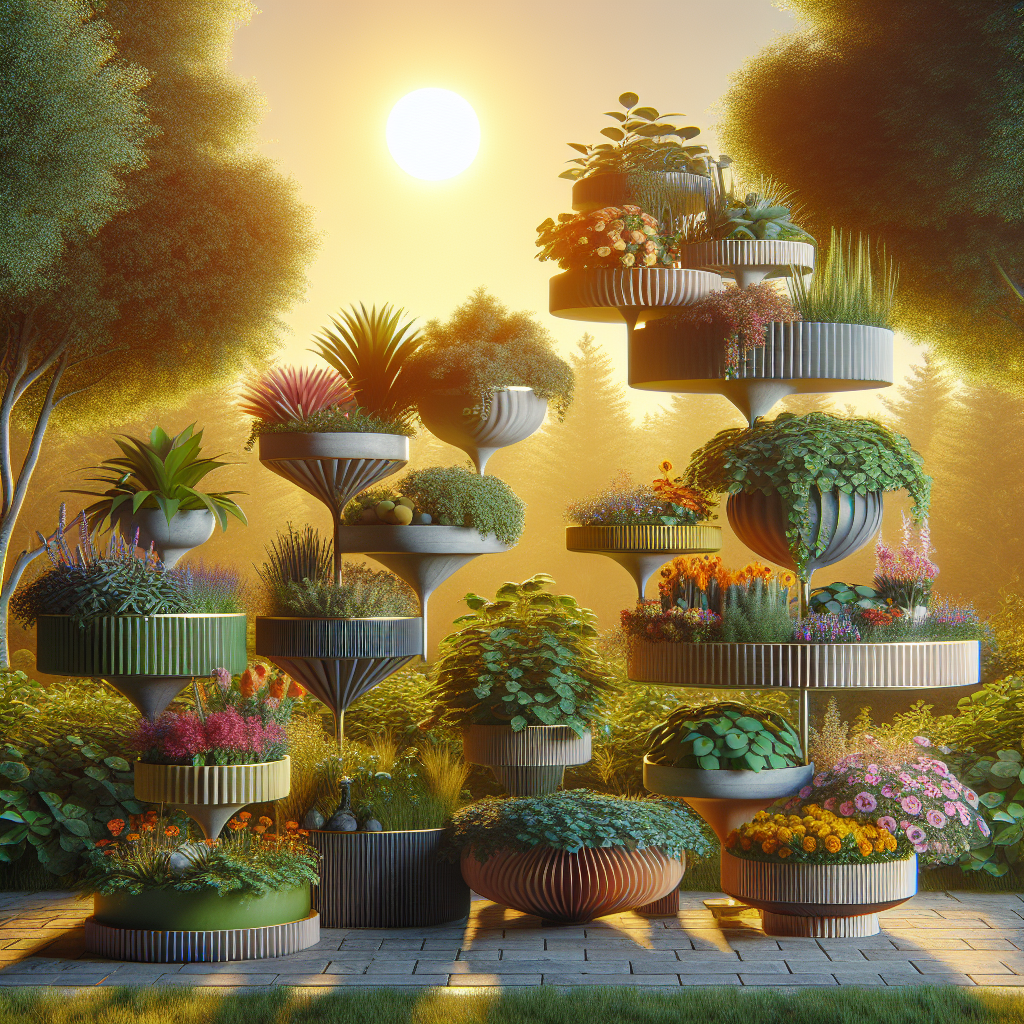
Gardening is a rewarding hobby, allowing individuals to connect with nature while enhancing the aesthetic appeal of their homes. One innovative and practical way to maximize gardening space, especially for urban gardeners or those with limited areas, is through three-tier planters. These vertical garden solutions provide the opportunity to grow various plants while making efficient use of space. In this article, we will delve into everything you need to know about three-tier planters, exploring ideas, benefits, and considerations so you can create your beautiful green haven.
Table of Contents
- What are Three-Tier Planters?
- Why Choose a Three-Tier Planter?
- Materials for Three-Tier Planters
- Design Inspiration and Ideas
- Choosing the Right Plants
- Maintenance Tips
- Common Questions and Answers
- Final Thoughts
1. What are Three-Tier Planters?
Three-tier planters are vertical gardening structures designed with three distinct levels or tiers, each capable of holding soil and plants. This design allows gardeners to maximize space, making it an excellent solution for patios, balconies, or even indoor spaces. The tiers can be arranged in various configurations—stacked directly on top of each other, in a stair-step design, or circular—adding visual interest to your garden.
2. Why Choose a Three-Tier Planter?
Maximize Space:
Urban living often restricts available gardening space. Three-tier planters allow you to grow various plants in a confined area, making them ideal for balconies, small yards, or even indoors.
Enhanced Drainage:
Many designs incorporate built-in drainage systems to avoid water pooling, thus creating healthier plant environments.
Aesthetic Appeal:
These planters can be beautiful focal points in your garden or patio; the design can serve as a piece of functional art that elevates the overall look of the space.
Accessibility:
Gardening in tiers can make it easier to reach plants at different levels without straining your back, especially for older adults or those with physical limitations.
Versatile Uses:
From growing herbs and flowers to creating a vibrant display of vegetables, three-tier planters adapt well to various plants and gardening styles.
3. Materials for Three-Tier Planters
When constructing or choosing a three-tier planter, the material plays a crucial role in both durability and style.
Wood:
- Pros: A classic choice; it blends beautifully with natural landscapes. Cedar wood, in particular, is rot-resistant, making it an excellent long-term option.
- Cons: Requires regular maintenance and treatment against pests and decay.
Plastic:
- Pros: Lightweight, affordable, and available in various colors and designs. Plastic is resistant to decay and often includes built-in drainage features.
- Cons: Can become brittle over time in harsh weather conditions and may not have the same aesthetic appeal as wood.
Metal:
- Pros: Durable, modern, and can add an industrial feel to your space. Galvanized steel or aluminum is resistant to rusting.
- Cons: Metal can heat up quickly in sunlight, potentially harming plant roots, and can be heavy.
Concrete:
- Pros: Extremely durable and provides excellent insulation for the roots.
- Cons: Very heavy and can be difficult to move. Requires proper drainage holes.
Recycled Materials:
- Pros: Sustainable and eco-friendly; offers a unique and one-of-a-kind look. You can reuse pallets, tires, or even barrels.
- Cons: Depending on the materials, they might not last as long or could require additional treatment.
4. Design Inspiration and Ideas
The beauty of three-tier planters lies not just in their practicality but also in their design. Below are some inspiring ideas to consider:
1. Rustic Wooden Tiers
A traditional wooden planter can be made from treated cedar or redwood for longevity. Create a classic rustic look by stacking them vertically or in an L-shape. Fill each tier with different colors of flowering plants like petunias or marigolds, complemented by trailing vines such as ivy cascading down the sides.
2. Vertical Herb Garden
Construct a slim, tall three-tier planter specifically for herbs. Utilize wooden or metal materials for a clean look and designate each tier for different herbs like basil, cilantro, and parsley. This makes it easy to step into your kitchen, snip what you need, and promote a farm-to-table lifestyle.
3. Decorative Tiered Stand
Create a decorative tiered stand using a combination of metal and wood, painted in vibrant colors. Each tier can host different decorative plants or succulents. Use this design to brighten your patio or porch.
4. Rotating Planter
For an interactive design, consider a rotating three-tier planter. This allows you to turn each tier towards the sun, maximizing exposure and encouraging healthy plant growth.
5. Circular Tiers
Instead of a rectangular design, circular planters offer an innovative twist. Create a round, multi-tiered planter that can be placed in the center of a garden as a focal point. Use cascading plants that spill over the edges for visual drama.
5. Choosing the Right Plants
Selecting the appropriate plants for your three-tier planter can significantly influence the overall success and enjoyment of your vertical garden. When choosing plants, consider:
- Light Requirements: Ensure that plants on higher tiers receive adequate sunlight.
- Water Needs: Group plants with similar water requirements to simplify maintenance.
- Growth Habits: Combine taller plants (like flowering tomatoes or sunflowers) with trailing plants (like strawberries or geraniums) for an attractive visual effect.
- Seasonal Interest: Choose a mix of annuals and perennials to maintain color throughout the seasons.
Recommended Plants for Each Tier:
- Top Tier: Great for small-fruiting plants like cherry tomatoes, strawberries, or even larger decorative plants like ornamental grasses.
- Middle Tier: Ideal for herbs (basil, thyme) or mid-height flowers (zinnias, cosmos) to maintain an appealing visual balance.
- Bottom Tier: Perfect for leafy greens (lettuce, spinach), or cascading plants like trailing petunias or sweet potato vines.
6. Maintenance Tips
Maintaining a three-tier planter is relatively straightforward, but attention to detail can ensure thriving plants.
- Regular Watering: Ensure water reaches each tier, especially the top ones. A drip irrigation system can help automate this process.
- Fertilization: Use organic fertilizers to promote healthy growth. Apply fertilizers according to plant needs—herbs may require less than vegetables.
- Pruning: Regularly trim back plants to encourage new growth and prevent overcrowding. Remove any dead or diseased leaves immediately.
- Pest Management: Monitor plants for pests and use organic solutions, like neem oil, to control infestations.
- Seasonal Changes: As seasons change, consider replacing annuals and adjusting watering and feeding routines. Prepare perennials for winter by cutting them back or moving them indoors, if necessary.
7. Common Questions and Answers
Q1: Can I DIY a three-tier planter?
Absolutely! Creating a DIY three-tier planter can be a rewarding project. You can use inexpensive materials like wood pallets, concrete blocks, or plastic containers. Find tutorials online for various designs and adapt them to your space.
Q2: What plants work best in smaller spaces?
Look for dwarf varieties of plants and those that grow vertically, such as peas, climbing beans, and compact flowering plants. Herbs are also excellent choices as they have smaller root systems and thrive in tight spaces.
Q3: How do I prevent water from pooling in my planter?
Ensure that your planter has adequate drainage holes at the bottom of each tier. If using a DIY design, consider adding a layer of gravel at the base of each tier to improve drainage.
Q4: Can three-tier planters be used indoors?
Yes! Many designs can be easily adapted for indoor use. Choose plants that thrive in your home’s light conditions, and consider the implications of water and soil mess, utilizing waterproof liners if necessary.
Q5: What about care during winter?
For perennial planters, mulch the base for insulation or bring pots inside that are prone to cold damage. Cool-weather veggies can remain in the garden; consider covering them with frost cloth if winter temperatures drop.
8. Final Thoughts
Three-tier planters are a clever and fun way to maximize your gardening efforts, regardless of the available space. They offer a perfect fusion of functionality, creativity, and aesthetic appeal, enabling you to cultivate everything from vegetables to vibrant flowers. With the right materials, thoughtful design, and a little elbow grease, you can create a vertical garden that reflects your style and gardening ambitions.
As you embark on your journey with three-tier planters, remember that gardening is about trial and error, learning what works best for your environment, and enjoying the process. Your vertical garden will not only flourish but will bring joy and fresh produce to your home while beautifying your space. Whether you’re a seasoned gardener or a beginner, the world of three-tier planters is sure to inspire you to grow your gardening passion to new heights!