
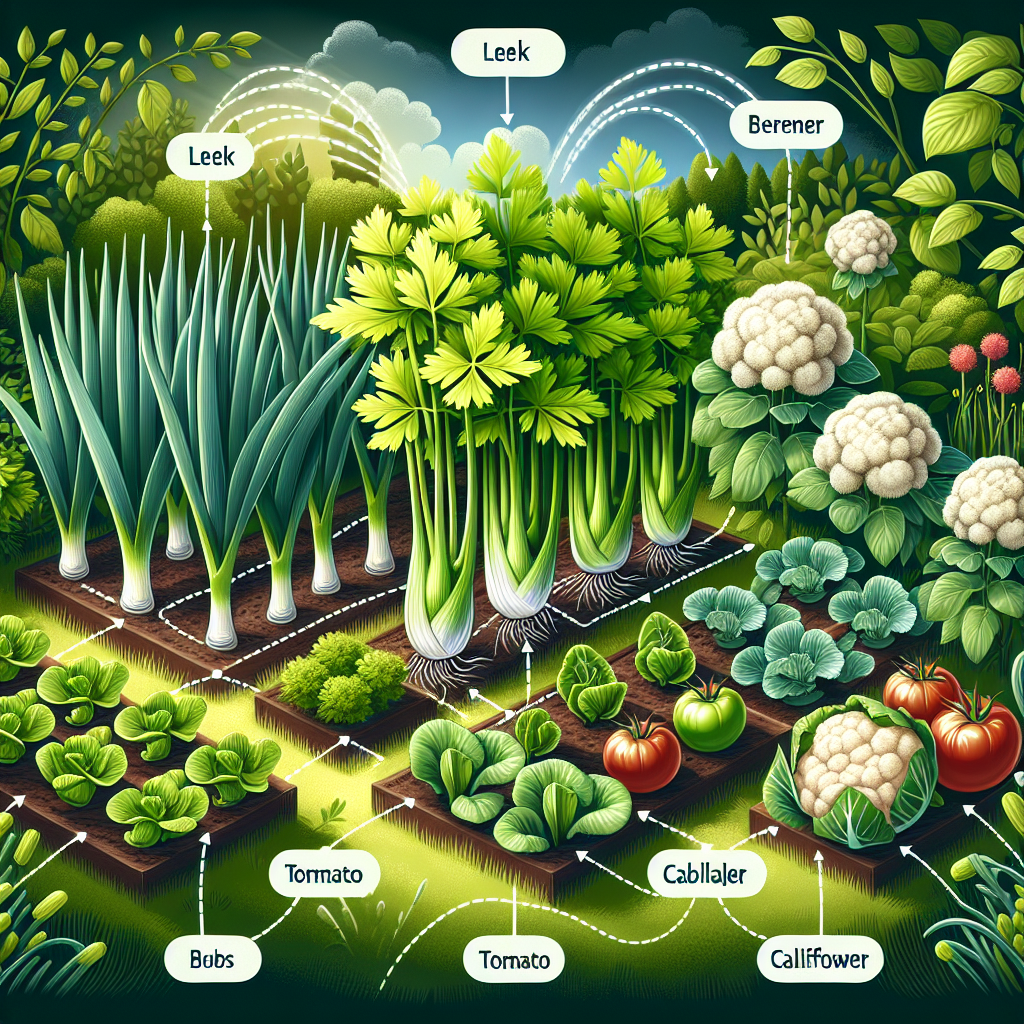
Celery (Apium graveolens) is a popular garden vegetable cherished not only for its crunchy texture and distinctive flavor but also for its numerous health benefits. As a biennial plant often grown as an annual, celery thrives in moist, nutrient-rich soils and requires a good deal of attention to produce a hearty crop. However, one of the best-kept secrets to growing successful celery lies in the art of companion planting.
Companion planting involves strategically planting different types of crops in proximity for mutual benefit. These benefits may include repelling pests, attracting beneficial insects, enhancing growth, maximizing space, and improving soil health. In this extensive guide, we’ll explore companion plants for celery, delve into their respective benefits, share tips on how to implement companion planting, and address common questions that arise among gardeners.
1. What are Companion Plants?
Companion plants are those that, when grown together, enhance each other’s growth and health. This practice has been utilized for centuries, as gardeners and farmers discovered that some plants thrive better when grown alongside others due to various synergistic effects. Companion plants can:
- Repel pests: Certain plants emit scents or contain compounds that deter insects.
- Attract beneficial insects: Flowers and plants that attract pollinators can enhance the overall productivity of your garden.
- Improve growth: Some plants enhance nutrient uptake from the soil, benefiting their neighbors.
- Maximize space and yield: Planting vertically or intercropping can lead to higher yields from a smaller garden area.
2. Why is Companion Planting Important for Celery?
Celery can be particularly susceptible to various pests and diseases, making it crucial for gardeners to adopt strategies to protect and enhance their crops. Here are several reasons why companion planting is beneficial for celery:
-
Pest Control: Celery is vulnerable to pests such as aphids, spider mites, and leafhoppers. Companion plants can help deter these pests and reduce the need for chemical interventions.
-
Nutrient Sharing: Celery has a high nutrient requirement, especially for nitrogen. Companion plants that enrich the soil can provide the necessary nutrients for celery to thrive.
-
Moisture Retention: Celery requires consistent moisture, and certain companion plants can help retain soil moisture, reducing the need for frequent watering.
-
Soil Health: Implementing a diverse planting strategy can lead to improved soil structure and health, which is essential for robust celery growth.
3. Ideal Companion Plants for Celery
When selecting companion plants for celery, consider those that positively interact with its growth. Here are some excellent companion plants to consider:
3.1. Onions and Garlic
Benefits: Both onions and garlic are known for their potent aroma, which can deter pests that attack celery. These bulbs release sulfur compounds in the soil, potentially improving disease resistance in neighboring plants. Moreover, they do not compete aggressively for nutrients.
How to Plant: Plant onions and garlic in alternating rows or in close proximity to celery plants. This creates a natural barrier against pests while maximizing limited space.
3.2. Carrots
Benefits: Carrots and celery complement each other in the garden. Carrots help to aerate the soil, while celery provides ample shade for the carrots to thrive. Additionally, both share similar watering needs.
How to Plant: You can sow carrots alongside celery in the same bed. The slower growth of carrots will not overshadow the celery, allowing both plants to flourish.
3.3. Tomatoes
Benefits: Tomatoes are great companions for celery. They release certain nutrients into the soil that can benefit celery’s growth. Additionally, both plants are suitable for a similar growing environment, making them complementary in terms of care and maintenance.
How to Plant: Space tomatoes a few feet away so they can provide support and shade to celery without competing for resources.
3.4. Spinach
Benefits: Spinach is a fast-growing leafy green that can offer shade to help keep celery cool during hot weather. This companion also acts as a living mulch, helping to retain moisture in the soil.
How to Plant: Sow spinach seeds around your celery plants. With their quick growth cycle, spinach can be harvested before the celery takes up more space.
3.5. Dill
Benefits: Dill attracts beneficial insects like ladybugs and lacewings, which prey on common celery pests. Moreover, the compound released by dill can increase celery’s flavor profile.
How to Plant: Plant dill seeds towards the edges of your celery rows to attract beneficial insects without overshadowing the celery.
3.6. Corn
Benefits: Tall corn plants can provide shade to celery, helping to regulate temperature. Additionally, corn and celery both share similar nutrient needs, allowing them to thrive together.
How to Plant: Plant corn at the back of your garden bed with celery in the foreground, utilizing the vertical space effectively.
4. Plants to Avoid Near Celery
While many plants can support celery growth, it’s equally important to know which plants to avoid. Certain companions can impede celery’s growth or attract pests. Here are some plants to keep away from your celery:
- Parsley: This herb competes heavily for nutrients and can hinder celery’s growth.
- Basil: While a wonderful herb, basil can interfere with celery’s growth due to its higher demand for sunlight.
- Fennel: Fennel releases allelopathic compounds that can inhibit celery and other plants’ growth.
5. How to Implement Companion Planting
Implementing companion planting requires thoughtful planning and execution. Here’s a step-by-step guide:
-
Choose Your Companions: Based on the plants discussed, select companions that suit your garden’s layout and your gardening preferences.
-
Plan Your Garden Layout: Consider the mature size and growth habits of each plant. Taller plants should be placed to the north or in the back of your garden to avoid shading shorter plants.
-
Prepare Your Soil: Celery thrives in well-drained, fertile soil. Amend your soil with compost or well-rotted manure to create a nutrient-rich environment.
-
Sow and Plant: Follow the optimal planting times for celery and its companions. Celery typically prefers cooler temperatures, so planting in spring or early fall might be ideal in many regions.
-
Maintain Moisture Levels: Celery requires consistent watering, so make sure companion plants also thrive under similar watering conditions. Use mulch to retain moisture and suppress weeds.
-
Monitor Growth: Pay attention to how companion plants grow alongside your celery. Adjust watering or spacing as needed, and observe for any pest problems.
6. Frequently Asked Questions
6.1. Can I grow celery in containers with companion plants?
Absolutely! Celery can thrive in containers if provided adequate space and nutrients. Choose companion plants that also do well in containers, like herbs such as basil or dill. Ensure to monitor water levels closely, as container-grown celery may dry out faster than in-ground planting.
6.2. How far apart should I plant companion plants?
Spacing varies depending on the plant. For legumes like peas or beans, you might allow six inches, while larger plants like corn may need two to three feet. Always consider the mature size of each plant when planning their spacing.
6.3. How can I tell if my companion planting is working?
Monitor your plants for signs of pest activity and overall health. If companion plants are thriving alongside celery and pest populations are minimal, this is an indicator of successful companion planting. Additionally, robust growth and high yields are good signs.
6.4. What if I notice pests despite companion planting?
If pests persist despite the use of companion plants, consider implementing other integrated pest management strategies such as neem oil, insecticidal soap, or introducing beneficial insects like ladybugs.
6.5. Are there specific soil amendments I should use when planting companions for celery?
Yes, celery benefits significantly from added nitrogen. Consider using organic fertilizers like fish emulsion or compost that provides a balanced nutrient supply. Good drainage and organic matter in the soil will also enhance overall growth conditions.
7. Conclusion
Companion planting not only enhances the growth of celery but also creates a more vibrant and robust garden ecosystem. By understanding the synergistic relationships between plants, you can cultivate a healthy garden that will yield an abundant harvest.
Using the principles of companion planting, you not only nurture your celery but foster an environment that benefits all nearby plants, leading to increased biodiversity, healthier crops, and a deeper connection to your gardening practice. So, gather your seeds, plan your layout, and enjoy the thriving interconnections that come with the art of companion planting in your celery garden. Happy gardening!