
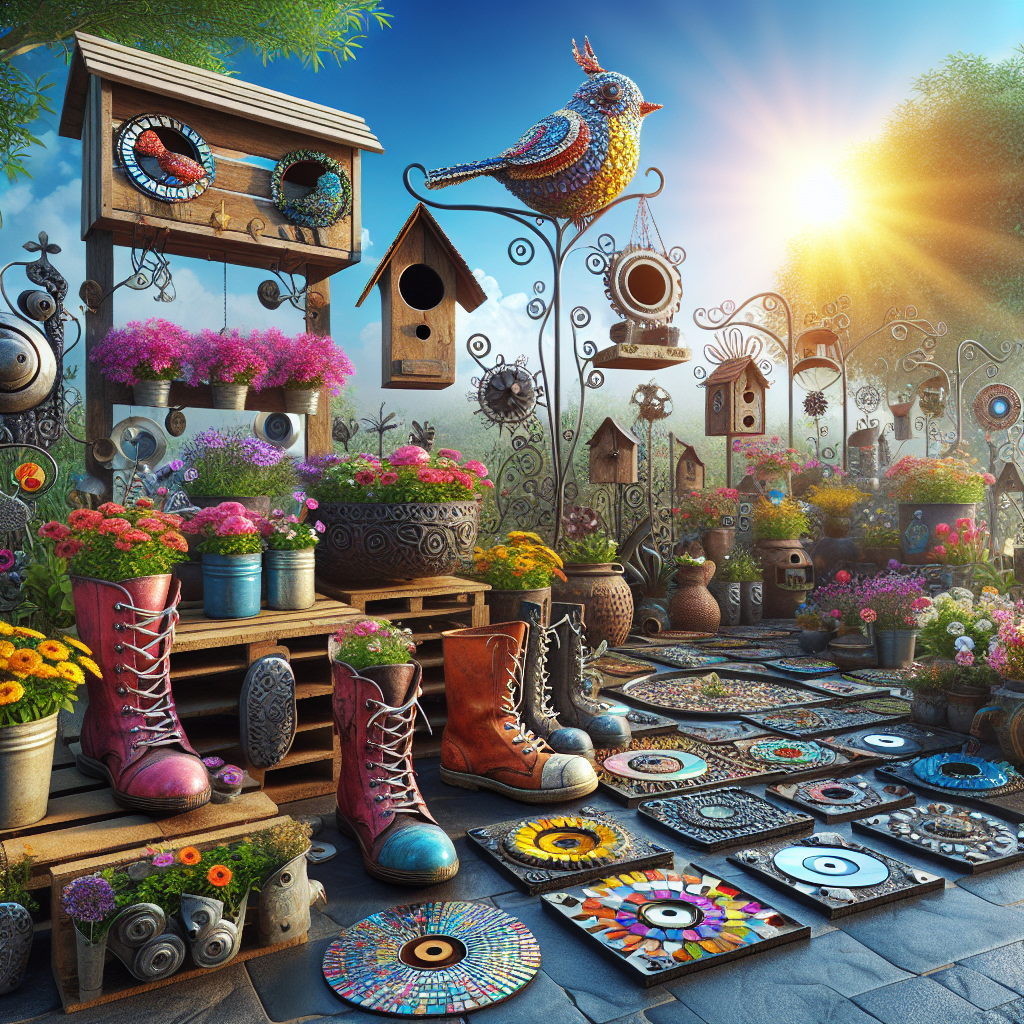
In recent years, the need for sustainability has become a pressing global issue. As we seek ways to reduce waste and recycle existing materials, creative hobbies emerge as powerful tools for both self-expression and environmental stewardship. One such hobby that stands out is creating recycled garden art. Transforming mundane trash into beautiful, imaginative garden décor not only beautifies your outdoor spaces but also contributes to a healthier planet. This article delves into the world of recycled garden art ideas, exploring their benefits, practical tips for crafting them, and frequently asked questions to inspire your creativity.
The Benefits of Recycled Garden Art
1. Environmental Impact
One of the most significant benefits of recycled garden art is its positive impact on the environment. With billions of tons of waste generated globally each year, finding creative ways to repurpose materials can help reduce landfill bulk. By transforming discarded items into artwork, you’re diverting them from waste streams, which in turn decreases pollution and conserves natural resources.
2. Cost-Effective Creativity
Recycled garden art can be created with little to no cost. Since the materials are often readily available in your home, garage, or local community, you can unleash your creativity without breaking the bank. Whether you are using old appliances, jars, or fabrics, each piece can reflect your personal style, all while keeping your budget intact.
3. Unique Personalization
Recycled garden art allows for high levels of personalization. Each item you choose to incorporate into your garden art tells a story and reflects individuality. Unlike mass-produced decorations, recycled creations carry unique designs and personalities that make your garden truly original.
4. Cultural and Historical Significance
Using items that hold cultural or historical significance can enhance your garden art. For instance, an old bicycle may symbolize childhood adventures, while a broken ceramic dish may remind you of a family member. Integrating these objects into your artwork not only highlights personal memories but also serves to preserve history.
5. Therapeutic Process
Creating art has been known to have therapeutic benefits. The act of transforming old, discarded items into something beautiful can serve as a valuable outlet for stress relief. As you immerse yourself in the creative process, you may find mindfulness and peace, making recycled garden art not only an eco-friendly choice but a holistic one as well.
Inspirational Recycled Garden Art Ideas
1. Bottle Trees
Bottle trees originated in the African-American communities of the Southern United States. This unique art form involves placing glass bottles atop a tree or framework, creating a stunning visual display. Not only do they add color to your garden, but they also catch sunlight, creating a shimmering effect throughout the day.
How to Create a Bottle Tree:
- Materials Needed: An old tree trunk or a sturdy metal post, assorted glass bottles.
- Steps:
- Secure your tree trunk or metal post firmly in the ground.
- Collect colorful glass bottles; local thrift stores are great sources.
- Strategically place the bottles on the branches or atop the post, ensuring they are secure.
- Enjoy the vibrant glow against your garden’s backdrop.
2. Garden Sculptures from Reclaimed Metal
Metal scraps can be transformed into stunning sculptures that add character to any garden. Common items used are old tools, gears, or scrap metal.
Creating Metal Sculpture:
- Materials Needed: Old tools, metal pieces, pliers, welding torch (optional), paint (if desired for finishing).
- Steps:
- Collect various metal pieces and tools.
- Use pliers to bend and shape different elements.
- Assemble the pieces using wire or welding to create your sculpture.
- Paint your final creation for added flair and durability.
3. Upcycled Planters
Transforming odds and ends into planters is an excellent way to utilize old items and create a functional piece of art.
Planter Ideas:
- Materials Needed: Old boots, tin cans, wooden pallets, or even a cracked teacup.
- Steps:
- Secure drainage holes at the bottom of your selected container (this is crucial!).
- Fill with soil and plant your favorite flowers or herbs.
- Arrange them creatively in your garden or porch.
4. Wind Chimes from Recycled Items
Wind chimes add a soothing auditory element to your garden and can easily be made using old utensils, CDs, or anything that creates a pleasant sound when they collide.
Steps to Create Wind Chimes:
- Materials Needed: Utensils, a sturdy branch or dowel, fishing line or sturdy string.
- Steps:
- Drill holes in the tops of the utensils.
- Thread the fishing line through and secure it around the branch.
- Hang your wind chime in a location where it can catch the breeze.
5. Stepping Stones
Create beautiful, custom stepping stones with materials you have at home. Use old tiles, glass shards, or even broken pottery to make intricate designs.
Making Stepping Stones:
- Materials Needed: Old tiles, broken ceramics, cement mix, a mold (like a baking dish).
- Steps:
- Mix the cement according to package instructions.
- Pour into your mold and let it set slightly before inserting your chosen decorative pieces.
- Once dry, remove from the mold and place around paths in your garden.
6. Garden Furniture from Pallets
Used wooden pallets are a versatile material for creating garden benches, tables, or even chairs.
How to Create Garden Furniture:
- Materials Needed: Old pallets, sandpaper, outdoor paint, cushions (for comfort).
- Steps:
- Disassemble the pallets if needed, sand to prevent splinters.
- Assemble your desired design using screws.
- Paint or stain your furniture and let it dry completely before placing it in your garden.
Frequently Asked Questions
Q1: What types of materials can be used for recycled garden art?
A: Almost anything can be repurposed for garden art. Common materials include metal scraps, old furniture, glass bottles, ceramics, wood, and fabric. You can get creative with whatever you find!
Q2: How do I ensure safety while working with recycled materials?
A: Safety should always be a priority. Wear gloves and goggles when working with sharp or heavy items. Make sure to properly clean any materials that may contain chemicals or residues. If you’re unsure about an item, researching its safety before using it is the best practice.
Q3: Do I have to be an artist to make recycled garden art?
A: Absolutely not! Anyone can create recycled garden art, regardless of artistic background. Start with simple projects that resonate with you, and let your imagination guide you. The goal is to enjoy the process and express your personality.
Q4: How do I maintain the art I create over time?
A: Depending on materials used, maintenance may vary. Regularly inspect your pieces for wear and tear. For items exposed to the elements, consider applying a weatherproof sealant, and re-paint when necessary to keep them looking fresh.
Q5: Can I involve my children in crafting recycled garden art?
A: Yes! Crafting recycled garden art is an excellent opportunity for family bonding and teaching kids about sustainability. Choose age-appropriate projects, and make safety your top priority during the creative process.
Q6: Where can I find materials for my projects?
A: Great places to source materials include local thrift stores, garage sales, yard sales, and even your home. Friends and neighbors may also have items they consider waste but could be turned into art.
Q7: What is the best way to come up with ideas for my art?
A: Inspiration can come from various sources, like gardening books, online art communities, and social media platforms. Additionally, walking through parks or gardens can spark creativity as you observe other artists’ works. Don’t hesitate to blend ideas or modify existing designs to make them your own.
Q8: Is there a specific technique for creating garden art?
A: While there is no single technique for creating garden art, you can use methods like painting, welding, assembling, carving, or sewing, depending on the materials you are using. The beauty of art lies in its diversity; choose the method that resonates with you and your materials.
Q9: What can I do if I run out of inspiration?
A: If you find yourself lacking inspiration, take a break and explore the outdoors. Sometimes, nature itself sparks imaginative ideas. Additionally, browsing art and design blogs or visiting galleries can rejuvenate your creative spirit.
Q10: Can recycled garden art be used indoors as well?
A: Yes! Many creations can bridge both indoor and outdoor spaces, allowing you to bring that personal touch wherever you desire. Items like upcycled planters or decorative sculptures can look stunning within home interiors.
Final Thoughts
Recycled garden art is not just an aesthetic choice; it’s a lifestyle and a conscious decision to engage with the environment positively. Whether you’re an experienced artisan or a complete novice, the world of recycled garden art opens up countless possibilities for expression and creativity.
Engaging in this practice allows you to reflect your unique personality while contributing to a greener planet. So why not take that first step? Gather your old items, unleash your creativity, and watch as your garden transforms into a vibrant tapestry of stories and memories, each piece a testament to your personal journey of sustainability and art. Embrace the beauty of imperfection, and let your recycled creations bloom!