
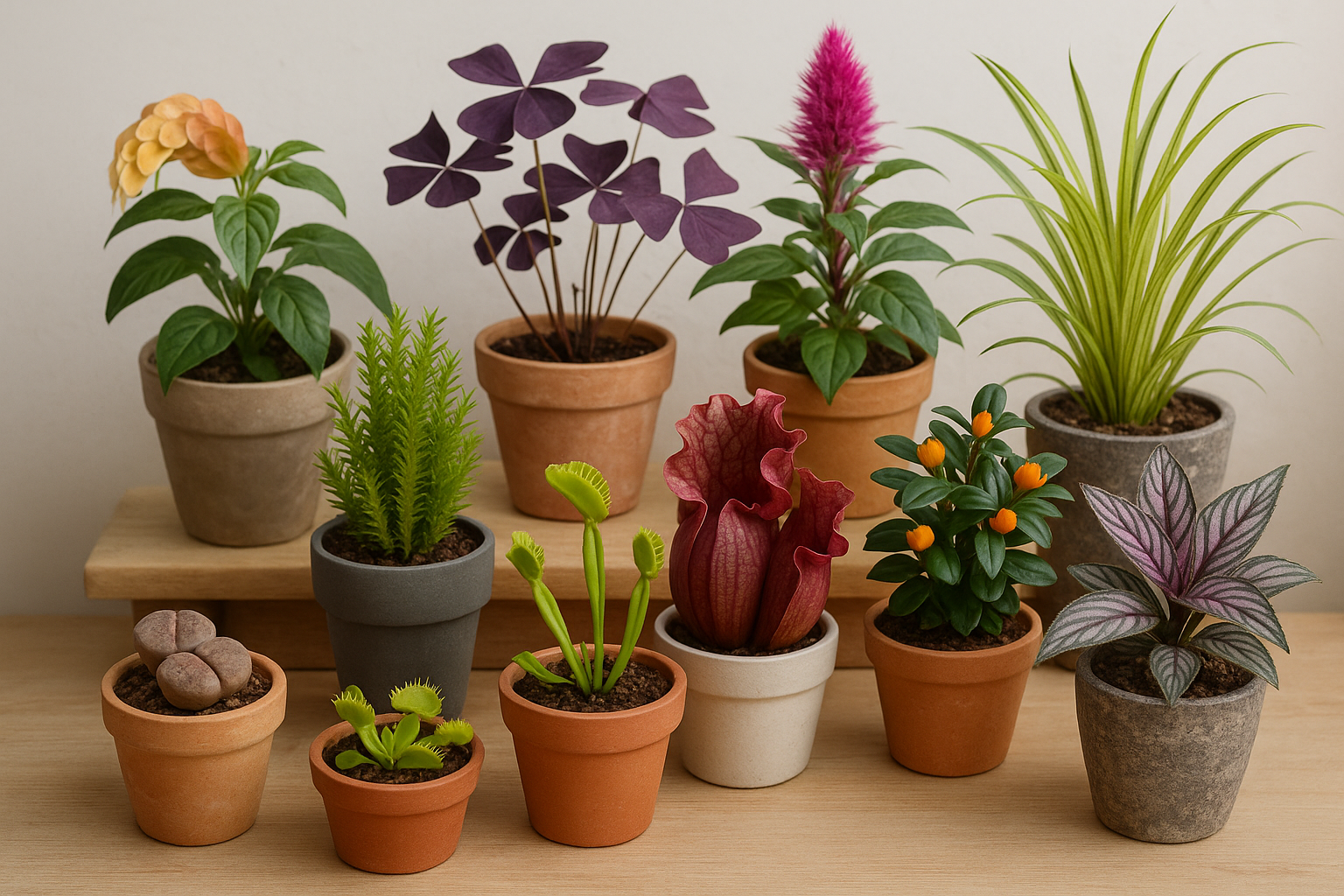
Potted plants have long been cherished for their ability to purify the air, enhance aesthetics, and bring a touch of nature indoors. However, while traditional potted plants like pothos, snake plants, and peace lilies have their admirable qualities, the world of unusual plants offers an exciting array of species that can elevate your indoor and outdoor gardening experience. In this article, we will embark on a journey through the fascinating realm of unusual potted plants, exploring some of the most exotic varieties, how to care for them, and the benefits they bring to your living space.
What Makes a Plant “Unusual”?
Before we dive into our list, it’s essential to define what we mean by “unusual.” Generally, unusual plants are those that are not commonly found in mainstream gardening or home decor. They may be rare, have distinctive shapes or colors, or require unique care. Such plants can spark interest and conversation while providing the same benefits as more traditional varieties.
Why Choose Unusual Potted Plants?
There are several compelling reasons to consider adding unusual plants to your collection:
- Aesthetic Variety: Exotic plants can add flair to your home or garden, serving as stunning focal points or conversation starters.
- Air Quality and Health Benefits: Many unusual plants still possess air-purifying qualities that can improve indoor air quality.
- Gardening Challenge: For the passionate gardener, caring for unusual plants can be a fun challenge that enhances your gardening skills.
- Biodiversity: Adding different species helps promote biodiversity in your home environment, and for outdoor gardeners, it can also support local ecosystems.
Unique Potted Plants You Should Consider
Let’s take a closer look at some remarkable unusual plants that can be grown in pots:
1. Lithops (Living Stones)
Description: Lithops, also known as living stones, are small succulent plants native to southern Africa. They blend seamlessly with their rocky surroundings, featuring a unique appearance that resembles pebbles.
Care Requirements:
- Light: Bright, indirect sunlight is best.
- Watering: Water sparingly—allow soil to completely dry between waterings.
- Soil: Use a gritty cactus mix for proper drainage.
Fun Fact: These plants bloom with vibrant yellow flowers, which emerge in late summer, creating a striking contrast against their stone-like appearance.
2. Rhipsalis (Mistake Cactus)
Description: Rhipsalis, commonly called mistletoe cactus, boasts long, thread-like stems that hang down elegantly. Unlike typical cacti, Rhipsalis thrives in humid environments, making it an excellent choice for indoor spaces.
Care Requirements:
- Light: Prefers bright, filtered light.
- Watering: Water when the top inch of soil feels dry; can tolerate higher humidity.
- Soil: Regular potting soil mixed with perlite for drainage is best.
Fun Fact: Rhipsalis is one of the few cacti that produce edible fruit, which are small and often enjoyed by birds.
3. Tillandsia (Air Plants)
Description: Air plants belong to the bromeliad family and live without soil, deriving moisture and nutrients from air. Their varied species have unique shapes, vibrant colors, and even stunning flowers.
Care Requirements:
- Light: Bright, indirect sunlight is ideal.
- Watering: Mist with water several times a week, or soak the plants for 30 minutes once a week.
- Soil: Air plants don’t require planting in soil; they can be placed in decorative holders or terrariums.
Fun Fact: Air plants can often thrive in any orientation, whether suspended in the air or incorporated into wall art, giving you endless decoration possibilities.
4. Hoya (Wax Plant)
Description: Hoya plants, also known as wax plants, are recognized for their thick, waxy leaves and clusters of star-shaped flowers. They are native to tropical and subtropical regions of the world and often have a delightful fragrance.
Care Requirements:
- Light: Prefers bright, indirect light, with some direct sunlight being tolerated.
- Watering: Allow the soil to dry between waterings.
- Soil: Well-draining potting mix is essential.
Fun Fact: The flowers are known to produce nectar, which attracts pollinators and can even draw in small insects.
5. Nepenthes (Tropical Pitcher Plants)
Description: Nepenthes, or tropical pitcher plants, are remarkable carnivorous plants with unique pitcher-shaped structures that trap and digest insects. They are a striking addition to any unusual plant collection.
Care Requirements:
- Light: Bright light is ideal, but they should avoid direct sunlight.
- Watering: Use distilled or rainwater; keep the soil moist, but not soggy.
- Soil: A mix of sphagnum moss and orchid bark works well.
Fun Fact: Some species of Nepenthes can grow very large, with pitchers capable of holding significant amounts of water and even larger prey.
6. Gynura (Purple Passion Plant)
Description: The purple passion plant is known for its velvety, purple leaves and is perfect for hanging baskets. It thrives indoors and can also be grown outdoors in warmer climates.
Care Requirements:
- Light: Prefer bright, indirect light but do well in low light.
- Watering: Keep the soil moderately moist but not wet.
- Soil: Regular potting soil mixed with some perlite for drainage.
Fun Fact: The purple passion plant can be propagated easily through stem cuttings, making it a fun plant to share with friends.
7. Staghorn Fern (Platycerium)
Description: Staghorn ferns are epiphytic ferns that have stunning, antler-like fronds. They can be mounted on plaques or grown in pots, adding a whimsical touch to any setting.
Care Requirements:
- Light: Bright, indirect light works best.
- Watering: Soak the pot in water when the top feels dry.
- Soil: A bark-based potting mix is ideal.
Fun Fact: Staghorn ferns can be an engaging project for indoor gardeners, as they can be creatively arranged and displayed in a variety of ways.
8. Calathea (Prayer Plant)
Description: Calatheas are known for their stunning, patterned leaves that rotate to optimize light exposure throughout the day—a phenomenon known as “nyctinasty” or “leaf prayer.”
Care Requirements:
- Light: Prefers low to medium indirect light.
- Watering: Keep the soil slightly moist, avoiding sogginess.
- Soil: Use a well-draining indoor potting mix.
Fun Fact: The leaves of calathea plants can move up and down daily, giving them the nickname “prayer plants.”
Frequently Asked Questions (FAQs) About Unusual Potted Plants
1. How Do I Choose the Right Unusual Plant for My Home?
When selecting an unusual potted plant, consider factors such as:
- Light Conditions: Assess the amount of natural light in the space where the plant will live. Some plants thrive in low light while others require bright, indirect light.
- Humidity: Tropical plants often need higher humidity than those from arid environments. Make sure you can provide what your chosen plant needs.
- Care Level: Some unusual plants are easier to care for than others. If you’re a beginner, start with hardier varieties.
2. Are Unusual Potted Plants Suitable for Beginners?
Yes, many unusual plants can be beginner-friendly, particularly if you pay attention to their specific care requirements. For example, air plants and staghorn ferns tend to be forgiving when it comes to care. However, conduct thorough research before opting for more sensitive species.
3. Where Can I Buy Unusual Plants?
Unusual potted plants can be found at:
- Local Nurseries: Many nurseries offer a selection of rare or unique plants, and the staff can provide valuable care tips.
- Online Plant Retailers: Websites specializing in rare plants often have extensive collections that might not be available locally.
- Botanic Gardens and Plant Expos: These events tend to showcase unusual varieties and often have vendors selling plants that are hard to find.
4. How Do I Care for Unusual Plants in Terms of Fertilization?
Many unusual plants benefit from occasional feeding during their growth seasons (often spring and summer). Use a diluted, balanced fertilizer or a specialty fertilizer formulated for specific plant types. Always follow the manufacturer’s recommendations to avoid over-fertilizing.
5. How Can I Propagate Unusual Potted Plants?
Propagation methods widely vary among plant species, but here are some common techniques:
- Cuttings: Many plants, including peperomia and pothos, can be propagated through stem cuttings placed in water or directly in soil.
- Division: This is an effective method for clumping plants like calathea. Carefully separate the root ball into smaller sections and re-pot.
- Seed: Some unusual plants can be grown from seeds, though this method can take longer and may require specific conditions.
6. What Are the Best Pots for Unusual Plants?
Choosing the right pot is essential, especially for plants that require excellent drainage, like succulents and cacti. Consider pots made of terracotta, ceramic, or plastic with drainage holes. The size of the pot should allow for growth without being too large, as oversized pots can lead to root rot.
7. Are Unusual Plants Expensive?
The prices for unusual potted plants can vary widely based on factors such as rarity, size, and care requirements. Many common unusual plants can be affordable, but rare specimens may command premium prices. Consider exploring local growers or plant swaps to find unique plants at a lower cost.
Conclusion: Cultivating a Unique Collection
Unusual potted plants can dramatically enhance your gardening experience, providing beauty, intrigue, and the joy of caring for something outside the ordinary. By exploring exotic species and learning their care requirements, you can create a vibrant and unique indoor oasis. Whether you choose to keep air plants, tropical pitcher plants, or stunning staghorn ferns, your collection of unusual potted plants will not only be a visual feast but also a testament to your passion for gardening and the diversity of our planet’s flora.
As you embark on this green adventure, remember to embrace the journey of exploration, discovery, and personal growth that comes with nurturing unusual plants. Each plant will tell a story, enriching your space not just in appearance but in the connection it fosters with nature. So go ahead and step outside the realm of traditional houseplants; your home garden will thank you for it!