
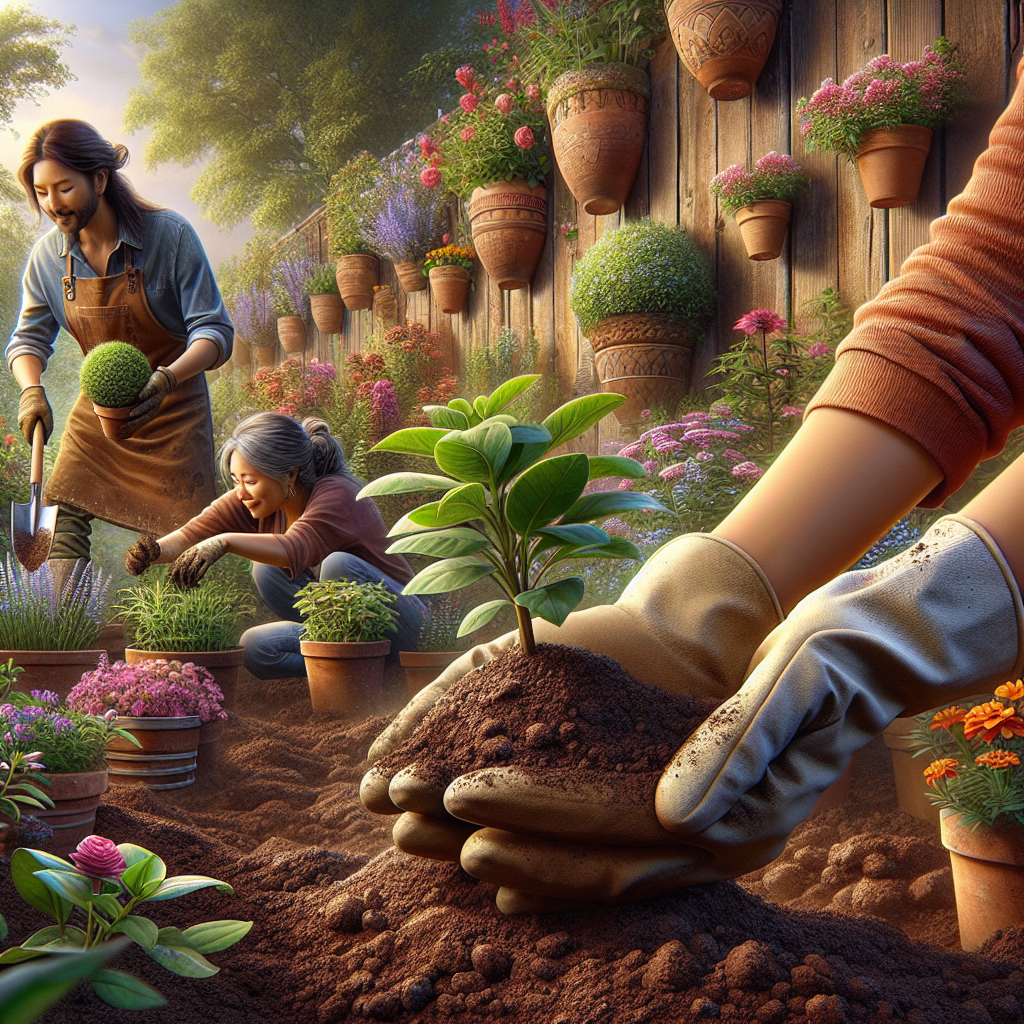
Clay soil, often dismissed as unyielding and challenging, is a hidden gem for gardeners willing to invest time and effort into its improvement. This article will explore the unique characteristics of clay soil, its benefits, challenges, and comprehensive strategies to cultivate a flourishing garden within this earthy medium. We will answer common questions, offer practical tips, and inspire you to embrace the beauty of gardening in clay soil.
Understanding Clay Soil
What is Clay Soil?
Clay soil is characterized by its small particle size and tightly packed structure. These tiny particles are less than 0.002 millimeters in diameter, which gives clay its distinctive texture. When wet, clay soil can be sticky and heavy, and when dry, it can become hard and cracked. This unique composition significantly influences drainage, aeration, nutrient retention, and root development in plants.
Benefits of Clay Soil
While many consider clay soil a hindrance, it has several advantages:
-
Nutrient-Rich: Clay soil often contains a wealth of minerals and nutrients essential for plant growth. Its small particles can hold onto nutrients, preventing them from leaching away.
-
Water Retention: Clay has excellent water retention capabilities, making it an ideal medium for plants that thrive in moist conditions.
-
Stable Temperature: Clay soil typically maintains a more stable temperature than sandy soils, offering an advantageous environment for plant roots.
-
Natural Fertility: Due to its mineral content, clay soil can be inherently fertile, especially when improved with organic matter.
Challenges of Gardening in Clay Soil
Though the benefits are plentiful, clay soil does come with challenges:
-
Poor Drainage: Water tends to pool in clay soil, leading to root rot and other issues. Excess moisture can suffocate roots.
-
Compaction: The density of clay can lead to soil compaction, making it difficult for roots to penetrate and for water and air to circulate.
-
Low Aeration: Clay soils often lack sufficient oxygen for roots, which can stunt plant growth.
-
Temperature Fluctuations: While clay retains heat well, it can also cool down quickly, affecting the plants’ growth cycles.
Preparing Your Garden for Clay Soil
How to Improve Clay Soil?
Improving clay soil doesn’t happen overnight. Here are some steps to amend it effectively:
-
Test Your Soil: Conduct a soil test to analyze the pH, nutrient content, and organic matter levels. This information will guide your amendment strategy.
-
Add Organic Matter: Incorporate compost, aged manure, or leaf mold into your soil. Organic matter improves soil structure, drainage, and nutrient availability. Aim for a 3-4 inch layer spread over your garden beds, and till it in to a depth of 12 inches.
-
Use Gypsum: Gypsum can help break up clay particles and improve soil structure without affecting pH. Apply it according to the package recommendations after testing your soil.
-
Plant Cover Crops: Consider sowing cover crops like clover or vetch. These plants have deep roots that can penetrate clay, improving aeration and structure as they decompose.
-
Create Raised Beds: If you prefer a more immediate solution, consider starting a raised bed garden. This allows you to fill the beds with a mix of high-quality soil, compost, and organic matter, bypassing clay’s challenges altogether.
Can I plant directly in clay soil?
Yes, you can plant directly in clay soil, but success depends on proper preparation and plant selection. You may need to amend the soil with organic matter before planting. Additionally, consider using plants that are naturally adapted to clay conditions.
Choosing the Right Plants for Clay Soil
What Types of Plants Thrive in Clay Soil?
Choosing the right plants is crucial for success in clay soil. Here are some recommendations:
-
Vegetables:
- Cabbage
- Broccoli
- Squash
- Potatoes
- Beans
-
Perennials:
- Daylilies
- Hostas
- Black-eyed Susans
- Asters
-
Trees and Shrubs:
- Willows
- Redbuds
- Sweetgums
- Elderberries
-
Herbs:
- Mint
- Chives
- Rosemary
- Thyme
Planting Techniques in Clay Soil
How Should I Plant in Clay Soil?
Planting in clay soil may require different techniques compared to more well-drained types. Here’s a process to follow:
-
Create a Planting Hole: Dig at least twice as wide as the root ball of your plant. Make sure the hole is not deeper than necessary, as this can lead to a perched water table.
-
Loosen the Sides: Using a garden fork, loosen the sides of the planting hole to encourage root penetration.
-
Backfill with Amended Soil: Layer the hole with a mix of native soil and compost to facilitate better drainage.
-
Water Wisely: Water the plants deeply after planting. Initially, check for drainage to ensure the soil doesn’t retain too much water.
Maintenance Practices for Clay Soil Gardens
How Do I Care for Plants Grown in Clay Soil?
-
Mulching: A thick layer (2-4 inches) of mulch can help retain moisture, suppress weeds, and regulate soil temperature.
-
Watering: Water deeply but infrequently to encourage deep root growth. Ensure that the top layer of soil dries between watering sessions to prevent root rot.
-
Crop Rotation: Practice crop rotation to improve soil health and prevent pest and disease buildup.
-
Fertilizing: Regularly test your soil and apply fertilizers based on the results, focusing on organic options to maintain soil health.
-
Monitoring for Compaction: Keep an eye on soil compaction. If you notice signs, aerate the soil using a garden fork or aeration tool to improve drainage and aeration.
Troubleshooting Common Issues
What Problems Might I Encounter in a Clay Soil Garden?
If you’re experiencing issues with your garden, consult this list of common problems and their solutions:
-
Water Pooling: If water tends to pool on the surface, consider adding more organic matter or using raised beds to improve drainage.
-
Slow Growth: If plants are growing slowly or stunted, they may need more nutrients or aeration. Conduct a soil test and amend accordingly.
-
Weeds: Clay soils can promote certain weeds. Regularly move mulch, pull weeds by hand, and practice crop rotation to deter unwanted growth.
-
Pests and Diseases: Compacted soil can harbor pests and diseases. Keep plants well-aerated and healthy, and rotate crops annually to minimize these problems.
The Environmental Perspective
How Does Gardening in Clay Soil Impact the Ecosystem?
Gardening in clay soil can have a positive impact on the ecosystem. Improved clay soil can enhance biodiversity, benefiting beneficial bacteria, fungi, and other organisms essential for soil health. Furthermore, sustainable gardening practices contribute to environmental conservation by reducing erosion, protecting waterways, and promoting local wildlife habitats.
Personal Experiences with Clay Soil
Real-Life Stories of Successful Clay Soil Gardens
Gardeners from various regions have shared their success stories, emphasizing their triumphs over clay soil challenges:
-
Julie from Illinois: Julie transformed her garden by amending clay soil with compost, resulting in a vegetable harvest that exceeded her expectations. Her trick? Interplanting nitrogen-fixing legumes with other vegetables helped enhance soil fertility without the need for commercial fertilizers.
-
Mark from Alabama: Mark built raised garden beds filled with high-quality soil. His experience shows that with proper amendment and care, he now enjoys a flourishing herb garden that thrives in what was once a neglected clay patch.
-
Christine from Oregon: Christine implemented a cover crop strategy. By planting vetch before her main crops, she improved soil structure while creating a nutrient-rich environment for her tomatoes and peppers.
Conclusion: Embracing the Clay Soil Challenge
Gardening in clay soil requires dedication and understanding but opens the door to thriving plants and a bountiful harvest. With the right knowledge and approach, you can transform your garden into an oasis, regardless of soil type.
Embrace the challenge of clay soil; its rich nutrients and ability to retain moisture can flourish into a vibrant landscape with proper soil management and plant selection. With patience, creativity, and a little elbow grease, your clay soil garden can become a flourishing sanctuary for you and a successful ecosystem for the local wildlife.
You have the tools at your disposal to thrive amidst clay, making gardening a rewarding endeavor, regardless of the soil’s original character. Whether you’re an experienced gardener or just starting out, clay soil presents a unique opportunity to cultivate a prosperous garden that stands the test of time. Happy gardening!