
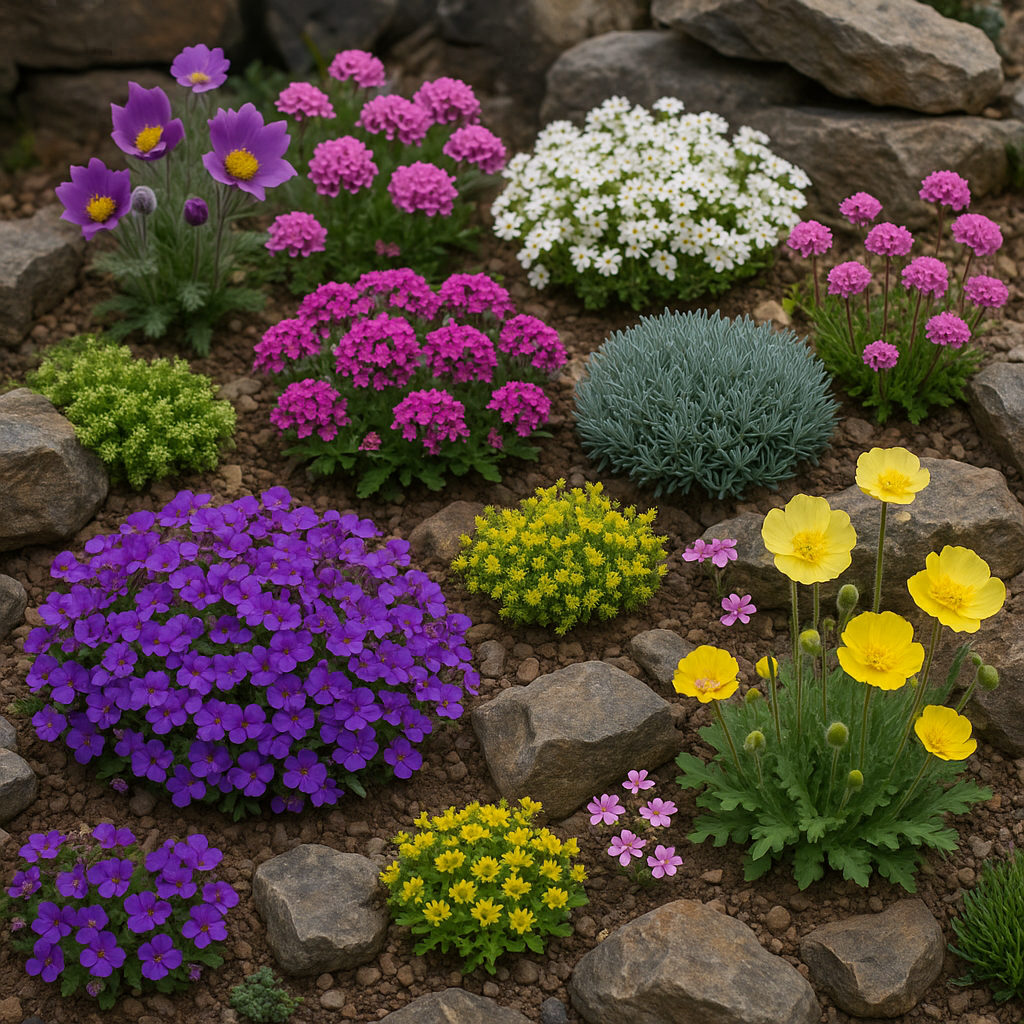
Alpine gardens have captured the hearts of gardeners and horticulturists alike, providing a unique opportunity to cultivate resilient plants that thrive in high-altitude terrains. Featuring stunning colors, intricate textures, and fascinating resilience to harsh conditions, alpine plants offer a beautiful contrast to typical garden flora. In this article, we will delve into the enchanting world of alpine garden plants, answering frequently asked questions, exploring their significance, and guiding you through selecting and cultivating these treasures.
What Are Alpine Plants?
Alpine plants are species native to mountainous regions and thrive above the tree line, where conditions become extreme. Characterized by short growing seasons, strong winds, cold temperatures, and high UV radiation, these plants have evolved remarkable adaptations to survive and even flourish in such challenging environments. Predominantly found in the alpine zones of places like the Rockies, Alps, and Andes, these plants play an integral role in the ecosystem by preventing soil erosion, providing wildlife habitat, and contributing to biodiversity.
Why Grow an Alpine Garden?
-
Unparalleled Beauty: Alpine plants bring a plethora of colors, textures, and forms to your garden. Many feature vibrant flowers that bloom abundantly in spring and summer, adding visual interest.
-
Diverse Selection: There are thousands of varieties of alpine plants available, from tiny moss-like species to striking blooms, allowing for creative arrangements and combinations.
-
Low Maintenance: Once established, alpine plants are generally low-maintenance due to their hardiness and drought resistance. Many require little additional watering or care.
-
Soil Conservation: Their extensive root systems help prevent erosion and maintain soil health, making them beneficial for environmental stability.
-
Year-Round Interest: The unique structure of many alpine plants provides year-round appeal, as even in winter, their shapes can add dimension to the garden.
How Do I Choose the Right Alpine Plants for My Garden?
1. Understanding Your Climate
One of the first steps in selecting alpine plants is knowing your local climate. While many alpines can adapt to different environments, specific types thrive in certain weather conditions. Check USDA Plant Hardiness Zones to determine which plants can grow well in your area.
2. Garden Design Considerations
-
Space: Alpine plants are often small and require proper spacing to avoid overcrowding. Consider the height and width of the plants at maturity to maintain a harmonious garden.
-
Sunlight: Most alpine plants prefer full sun, although some may tolerate partial shade. Observe sun patterns in your garden to determine the best areas for planting.
-
Soil Quality: Alpine plants appreciate well-drained soil. If your soil retains too much moisture, consider creating raised beds or mounds to ensure proper drainage.
3. Choosing Specific Varieties
Here are a few remarkable alpine plants to consider for your garden:
-
Saxifraga (Rockfoil): Saxifraga species are known for their rosette-forming leaves and scintillating flowers. They thrive in rocky, well-drained soils and can create stunning displays on alpine rocks.
-
Sempervivum (Hens and Chicks): A classic succulent that is both resilient and low-maintenance. They’re fabulous for rock gardens, thriving even in poor soils and drought conditions.
-
Eryngium (Sea Holly): With its spiky stems and striking blue flowers, this plant not only stands out but also attracts pollinators like bees and butterflies.
-
Androsace (Rock Jasmine): These delicate plants showcase lovely flowers atop their green foliage and flourish in rocky, sandy terrains.
-
Armeria (Sea Thrift): Featuring clumps of grass-like leaves topped with round flower heads, Armeria brings stunning splashes of color and attracts various insects.
4. Mixing and Matching
Consider companion planting when creating your alpine garden. For example, mix low-growing varieties alongside taller ones to create visual interest. Combine flowering plants with those that have unique leaf structures for a dynamic landscape.
How Do I Care for Alpine Plants?
1. Watering Needs
While established alpine plants are quite resilient, they still need attention when first planted. Here are some watering tips:
-
Initial Establishment: Water newly planted alpines thoroughly but avoid waterlogging—the key to success is to keep them moist without saturating the soil.
-
Summer Watering: During hotter months, monitor the soil’s moisture levels. Watering deeply but infrequently encourages deep root development.
-
Winter Protection: In colder areas, avoid watering during winter when the plants are dormant unless the soil is extremely dry.
2. Fertilization
Alpine plants generally thrive in poor soil conditions, meaning they do not require much fertilization. However, an annual application of a balanced slow-release fertilizer can encourage strong growth and vibrant colors. Make sure to follow the manufacturer’s recommendations.
3. Pruning and Maintenance
-
Deadheading: Remove spent flowers to encourage new growth.
-
Weeding: Regularly check for weeds that may compete for nutrients and space.
-
Dividing Plants: Some alpines benefit from division every few years, promoting better health and creating more plants.
4. Pest and Disease Control
Alpine plants are generally resilient against pests and diseases. Nonetheless, keep an eye out for common issues, such as:
-
Fungal Diseases: Ensure good airflow and avoid excess moisture.
-
Pests: Inspect plants closely for signs of aphids or slugs.
Organic pest control methods, including insecticidal soap or diatomaceous earth, are effective while minimizing environmental harm.
Frequently Asked Questions About Alpine Garden Plants
Q1: Are alpine plants suitable for small gardens?
A: Absolutely! Due to their small size and ability to thrive in rocky or poor soil, alpine plants are perfect for small, compact spaces. They can even thrive in containers, making them versatile for urban gardens.
Q2: How do I create a rock garden for alpine plants?
A: Building a rock garden is an exciting project! Here’s a concise guide:
- Choose a Location: Find a well-drained area with plenty of sunlight.
- Select Rocks: Use a mix of large and small stones; arrange them in natural-looking clusters.
- Prepare Soil: Amend the existing soil with sand or gravel for enhanced drainage.
- Plant Selection: Choose a diversity of alpine plants, ensuring you consider their height and spread.
- Planting: Place plants in-between rocks and press the soil around the roots firmly.
Q3: Can I grow alpine plants indoors?
A: While some alpine plants might adapt to indoor conditions, most thrive best outdoors in their natural habitat. However, you can have success growing them indoors by mimicking their environmental conditions. Use bright light, ensure good drainage, and reduce humidity to cater to their needs.
Q4: Can alpine plants survive winter?
A: Yes, alpine plants are adapted to withstand harsh winter conditions. However, they may require protection in some climates. Mulching around the base can help insulate the roots against frost.
Q5: How can I propagate alpine plants?
A: Alpine plants can be propagated through various methods, including seed sowing, division, and cuttings. For example, many types, like Sempervivum or Saxifraga, can be divided to create new plants, while others can be grown from seeds in a well-drained soil mix.
Conclusion
Creating an alpine garden is a rewarding venture that not only beautifies your space but also provides a haven for ecological diversity. With their breathtaking beauty, hardiness, and minimal maintenance requirements, alpine plants serve as a serene and sustainable choice for gardeners of all skill levels. By choosing the right varieties, understanding their care needs, and integrating thoughtful design principles, you can cultivate an alpine garden that mirrors the enchanting landscapes where these remarkable plants naturally thrive.
So, whether you’re a seasoned gardener looking to diversify your collection or a curious novice exploring the magical realm of alpine flora, the journey into cultivating alpine plants promises to be both captivating and fulfilling. Happy gardening!