
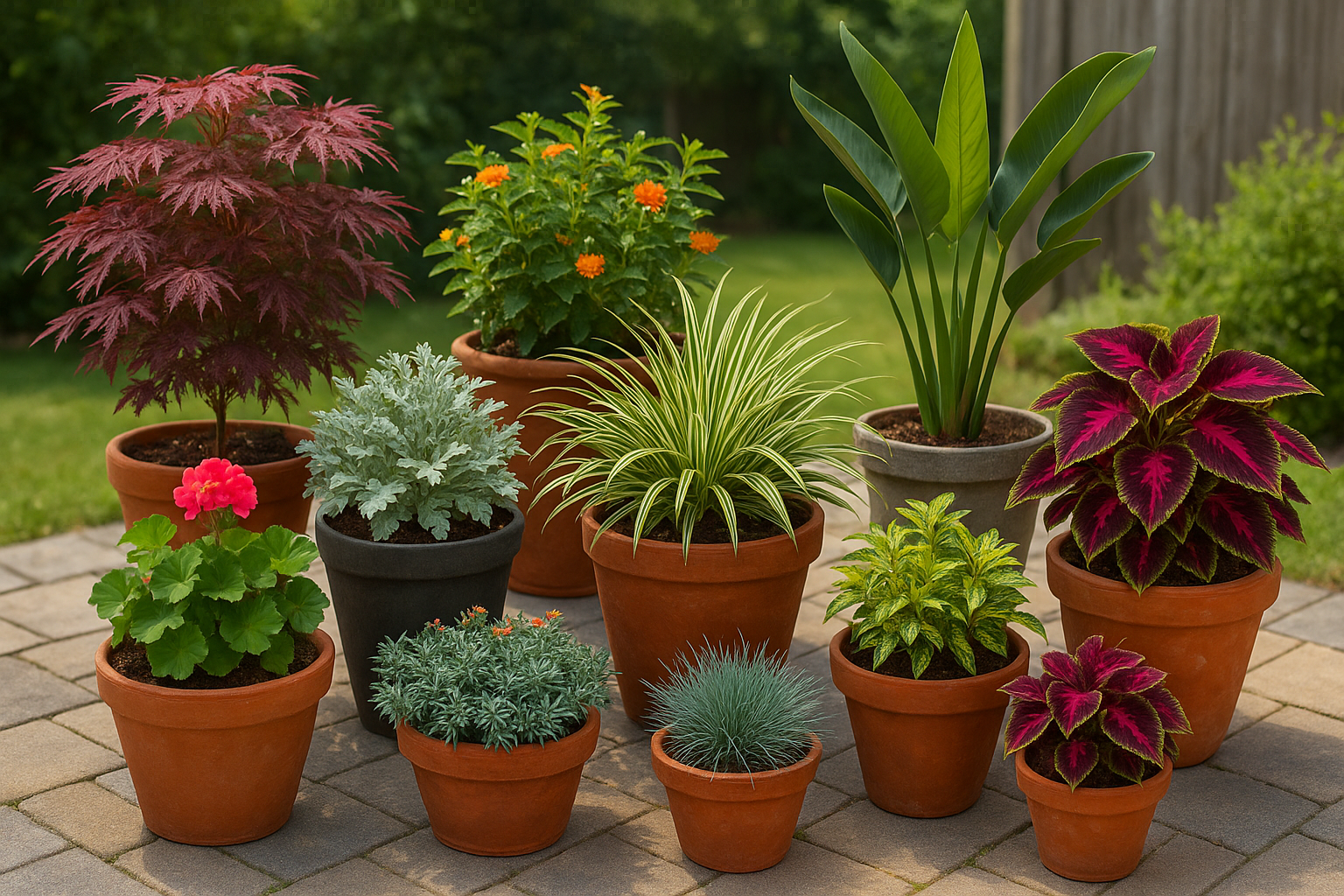
When it comes to home and garden aesthetics, accent plants for pots can transform an ordinary space into a vibrant oasis. These delightful green companions not only beautify your living areas but also contribute to your well-being and the environment. In this comprehensive article, we will explore the fascinating world of accent plants, their myriad uses, how to select the right ones for your pots, care tips, and common questions surrounding these charming botanical wonders.
What Are Accent Plants?
Accent plants are typically singular, visually stunning plants that are employed to add character to a pot or container garden. Unlike a mass of flowers or a full floral arrangement, accent plants are generally used to draw attention and act as focal points. Their unique shapes, colors, and textures offer contrast to the surrounding environment, creating a designed interlude of greenery.
Examples of Accent Plants:
- Succulents (e.g., Echeveria or Agave): These hardy plants add dimension and a pop of color while requiring minimal maintenance.
- Ornamental Grasses (e.g., Blue Fescue): These plants provide texture and movement, with long, flowing blades that sway gracefully in the wind.
- Small Shrubs (e.g., Dwarf Boxwood): Compact and easy to shape, these shrubs can frame your pots beautifully, adding structure to your displays.
- Foliage Plants (e.g., Calathea or Philodendron): Known for their striking patterned leaves, these plants can bring elegance and warmth to indoor and outdoor spaces.
Why Choose Accent Plants for Pots?
Accent plants are a versatile addition to your gardening repertoire for several reasons. They can be used for various purposes, including:
1. Enhancing Aesthetic Appeal
Accent plants can significantly elevate the visual appeal of your space. Whether you’re looking to liven up a serene patio, add color to your entryway, or create a focal point in your living room, the right plant can make all the difference.
2. Improving Air Quality
Plants are known for their ability to filter toxins and produce oxygen. Incorporating accent plants into your home can enhance air quality while also offering you a chance to connect with nature – a bonus for your mental and emotional well-being.
3. Perfect for Limited Spaces
For those who have small yards, apartments, or patios, pots serve as an ideal solution for gardening. Accent plants allow you to express your creativity in confined spaces and can easily be moved or rearranged according to seasons or your whim.
4. Easy Care Options
Many accent plants are low-maintenance and resilient, making them suitable for beginners or those with a busy lifestyle. By selecting the right plants and potting them strategically, you can create a stunning display with minimal effort.
5. Seasonal Versatility
Accent plants are versatile throughout the year. You can rotate seasonal plants, such as pansies in the spring and ornamental kale in the fall, maintaining a fresh and lively appearance in your pots.
Selecting the Right Accent Plants for Your Pots
Choosing the right accent plants is critical for achieving your desired aesthetic and ensuring the plants thrive in their environment. Here are some essential factors to consider:
1. Light Requirements
Plants need light to grow, but the amount and type of light may vary. Assess the location of your pots:
- Full Sun: Choose plants that thrive in full sunlight, such as succulents, petunias, and many herbs.
- Partial Shade: Opt for plants that can tolerate dappled or partial shade, like ferns, caladiums, and impatiens.
- Full Shade: Select low-light lovers such as ferns, hostas, or certain types of ivy.
2. Climate and Hardiness Zone
Understanding your local climate and USDA Hardiness Zone will help you select plants that can flourish in your area. Some plants may not survive harsh winters or scorching summers, so always choose species suited to your environment.
3. Pot Size and Material
Pot size and material affect how plants grow. Adding accent plants to pots that are too small may restrict root growth and lead to poor health. Conversely, large pots may retain too much moisture for plants that prefer drier conditions.
Choosing Pot Material:
- Terra Cotta: Breathable but may dry out quickly.
- Ceramic: Attractive and retains moisture but can be heavy.
- Plastic: Lightweight and durable but may not allow for air circulation.
4. Soil Type
The type of soil you use will also impact the growth of your accent plants. Always opt for high-quality potting mixes suited for the plants you’re growing. For example, succulents and cacti require well-draining soil, while tropical plants may flourish in a moisture-retaining mix.
5. Plant Compatibility
Consider the growth habits and watering needs of the plants you’ve chosen. Mixing plants with vastly different moisture or light requirements can lead to unhappy plants. Pair low-water succulents with others that prefer arid conditions, or group moisture-loving plants to create a mini-ecosystem.
Caring for Your Accent Plants
Once you’ve selected the perfect accent plants for your pots, it’s crucial to understand how to care for them properly. Here are essential tips for keeping your plants healthy and thriving:
1. Watering
Watering is often the most critical aspect of plant care. While some plants prefer to dry out between waterings, others need consistent moisture. To determine when to water, stick your finger into the soil. If it feels dry several inches down, it’s time to water. Use potting soil that offers good drainage to prevent root rot.
2. Fertilizing
Most plants will benefit from regular fertilization, particularly during their growing season. Use a balanced, water-soluble fertilizer for pots, following the manufacturer’s guidelines for application to avoid over-fertilization.
3. Pruning and Deadheading
To encourage growth and blooming, regularly prune your accent plants. Deadheading spent flowers will promote more blooms, while trimming back overgrown foliage can keep your plants healthy and looking great.
4. Pest Control
Monitor your plants for pests such as aphids, spider mites, or whiteflies. Early detection is key for successful pest control. Use insecticidal soap or organic options to treat infestations.
5. Seasonal Transitions
Adjust care as seasons change. Many plants require less water in the fall and winter but may benefit from additional light exposure. Re-evaluate your plants’ needs and adjust care routines accordingly.
Creative Ideas for Using Accent Plants in Pots
The versatility of accent plants allows for creative uses in various settings. Here are some clever ideas to inspire your arrangements:
1. Outdoor Patio Displays
Grouping pots with different sized accent plants can create an inviting outdoor area. Use a mix of heights, colors, and types to add depth to your patio or balcony.
2. Entryway Appeal
A striking accent plant in a well-placed pot can create an attractive entry point. Choose a tall plant, such as a dracaena or bamboo palm, for a dramatic entrance or arrange shorter plants in cascading pots to invite guests in.
3. Dining Table Centerpieces
Accent plants can serve as striking centerpieces for dining tables. Opt for smaller varieties or succulents arranged in decorative pots to create a vibrant yet low-maintenance display.
4. Vertical Gardens
For those with limited outdoor space, consider creating a vertical garden using a selection of accent plants in pots. This can be achieved using wall-mounted planters or tiered shelves that allow you to showcase various plants in a compact format.
5. Seasonal Rotations
Utilize accent plants in seasonal rotations to keep your décor fresh. Consider planting seasonal flowers like pansies, chrysanthemums, or holiday-themed plants in your pots.
Frequently Asked Questions about Accent Plants for Pots
Q1: Can accent plants be mixed with other plants in the same pot?
Absolutely! Mixing plants can create beautiful, dynamic arrangements. However, ensure that their light and watering needs align to avoid harming any of the plants.
Q2: How do I know if my plants need repotting?
Signs that it’s time to repot include roots growing out of the drainage holes, yellowing leaves, or stunted growth. If your plant seems root-bound, carefully remove it from its pot and replant it in a larger container with fresh soil.
Q3: How often should I water my accent plants?
Watering frequency depends on the plant type, climate, and pot size. Generally, check the soil moisture once a week and adjust your routine based on the needs of your specific plants.
Q4: Can I use indoor accent plants outdoors and vice versa?
While some plants can thrive indoors and outdoors, it’s crucial to consider their specific requirements. Generally, tropical and sensitive plants fare better indoors, while sun-loving varietals usually prefer outdoor environments. Always acclimate indoor plants gradually before moving them outdoors.
Q5: What should I do in the winter for my potted plants?
In colder months, protect your outdoor pots if the plants are not cold-tolerant. Some plants can be brought indoors to avoid frost, while others may be suited for a sheltered outdoor spot. Adjust the watering routine as many plants will require less attention in winter.
Conclusion: Embrace the Beauty of Accent Plants
Accent plants for pots offer a unique blend of beauty, functionality, and versatility. With the right selection and care, they can enhance not just your living space, but also your quality of life. They represent our connection to nature and the joy that plants bring into our homes. Whether you live in a sprawling garden, an urban apartment, or anything in between, incorporating accent plants can elevate your space and bring a touch of tranquility into your life.
Next time you explore gardening options, consider the magnificent potential of accent plants in pots, and let your creativity shine through your green thumb!