
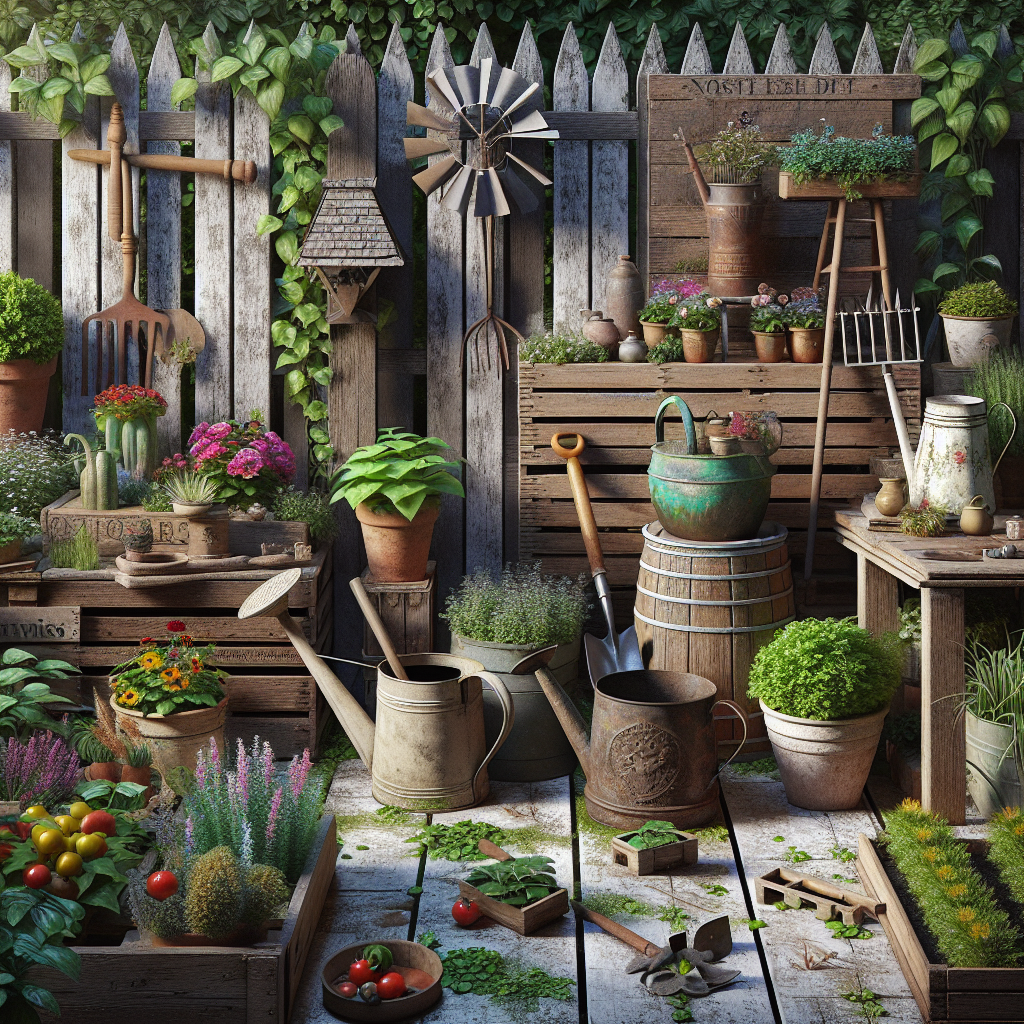
When one thinks of a farmhouse, images of rolling hills, sprawling fields, and the gentle sway of wildflowers often come to mind. The rustic charm of a farmhouse garden embodies the beauty of nature while reflecting a homely simplicity. In this comprehensive guide, we will explore the alluring aspects of farmhouse rustic garden design, answer common questions, and provide tips and inspirations for creating your own paradise.
Understanding Farmhouse Rustic Garden Design
What is a Farmhouse Rustic Garden?
A farmhouse rustic garden design celebrates the natural beauty of a garden while embracing the principles of simplicity, functionality, and a back-to-basics approach. This design philosophy emphasizes the use of natural materials, local plants, and time-worn elements that evoke a sense of nostalgia. The aesthetic is warm, inviting, and often filled with charm, creating a space that feels like a haven away from the hustle and bustle of modern life.
Historical Context
The concept of a farmhouse garden has roots that trace back centuries. Traditionally differing from conventional garden formats, farmhouse gardens were practical. They functioned as self-sustaining ecosystems where families grew their fruits, vegetables, and herbs.
Over time, farmhouse gardens have evolved, yet they maintain their focus on simplicity and abundance. No longer strictly about survival, they now celebrate sustainable practices while inviting aesthetic delight.
Key Elements of Farmhouse Rustic Garden Design
Creating a successful farmhouse rustic garden requires attention to various design elements. Here are some essential aspects to consider:
1. Natural Materials
-
Wood: Utilize reclaimed wood for structures such as raised garden beds, trellises, and pathways. Weathered wood adds authenticity and character to the garden.
-
Stone: Stone pathways, walls, or accents provide a rustic touch and blend seamlessly with the surrounding environment.
-
Metal: Incorporate rustic metal features, like old tools or farm equipment repurposed as art pieces, to add unique charm.
2. Plant Selection
-
Native Plants: Choose plants that are native to your region. They often require less maintenance, support local wildlife, and thrive naturally in your climate.
-
Herbs & Vegetables: A practical farmhouse garden often includes an herb and vegetable patch. Consider traditional choices like basil, rosemary, tomatoes, and peppers.
-
Wildflowers: Incorporating native wildflowers creates beautiful bursts of color and supports local pollinators.
3. Functional Spaces
-
Garden Beds: Raised beds add dimension to your garden while making gardening accessible and manageable.
-
Seating Areas: Design cozy nooks with benches or swing seats, encouraging relaxation and enjoyment of the surrounding beauty.
-
Water Features: A small pond, birdbath, or rustic fountain can create a focal point and attract wildlife to your garden.
4. Personal Touches
Integrate personalized elements, such as handmade signs, decorative pots, or family heirlooms. These items not only tell a story but also make your garden truly yours.
Frequently Asked Questions about Farmhouse Rustic Garden Design
What are the benefits of farmhouse rustic garden design?
Farmhouse rustic garden design offers several benefits:
-
Connection to Nature: It emphasizes natural beauty, encouraging mindfulness and tranquility.
-
Sustainability: With a focus on native plants and organic practices, farmhouse gardens often have a positive impact on the ecosystem.
-
Versatility: This style can adapt to any size or space, from expansive acres to smaller urban plots.
How do I get started with my farmhouse rustic garden?
-
Research Your Space: Evaluate your garden’s sunlight, soil quality, and climate.
-
Define Your Style: Determine the specific rustic elements that speak to you.
-
Plan Your Layout: Consider how to divide the space into functional areas, including paths, beds, and seating.
-
Select Your Plants: Choose a mix of flowers, herbs, and vegetables based on your preferences and local climate.
-
Incorporate Personal Touches: Add aesthetic elements that resonate with you, like wind chimes or decorative stones.
What are some specific plants ideal for a farmhouse rustic garden?
Here’s a list of plants that thrive in a farmhouse rustic garden:
-
Perennials: Echinacea, Black-eyed Susans, and Daylilies provide long-lasting color and attract pollinators.
-
Herbs: Thyme, chives, and lavender are not only functional but also add fragrance and visual interest.
-
Edibles: Incorporate diverse vegetables such as radishes, cucumbers, and pumpkins for aesthetics and bounty.
-
Annuals for Seasonal Color: Marigolds, zinnias, and sunflowers brighten up the space seasonally.
How can I maintain a farmhouse rustic garden effectively?
-
Seasonal Planning: Adopt a seasonal approach to garden care, preparing for planting, weeding, and harvesting as appropriate.
-
Mulching: Implement a layer of organic mulch to retain moisture, suppress weeds, and enrich soil health.
-
Companion Planting: Research companion planting techniques to naturally deter pests and promote healthy growth.
-
Regular Inspections: Frequently check plants for disease or pests, employing organic solutions as necessary.
How can I incorporate sustainability into my farmhouse garden design?
-
Water Management: consider installing rain barrels to collect rainwater for garden use.
-
Composting: Create a compost bin to recycle kitchen waste into nutrient-rich soil.
-
Natural Pest Control: Use beneficial insects or homemade remedies instead of chemical pesticides.
-
Crop Rotation: Ensure soil health by rotating crop placements annually.
Designing Your Farmhouse Rustic Garden: Step-by-Step
Now that you have a clear understanding of the foundational elements and answers to common questions, it’s time to dive into a step-by-step guide for designing your farmhouse rustic garden.
Step 1: Vision Board Creation
Start by creating a mood board to visualize your dream garden. Compile images of plants, garden layouts, color palettes, and rustic decor that inspire you. Use platforms like Pinterest to gather ideas and develop a cohesive vision.
Step 2: Site Assessment
Evaluate your garden’s space:
-
Sunlight: Determine how much sunlight different areas receive throughout the day.
-
Soil Quality: Conduct a soil test to measure organic content, drainage capability, and pH levels.
-
Space Dimensions: Measure the dimensions of your garden plot to achieve a scale drawing for effective planning.
Step 3: Layout Design
Map out the layout of your garden, considering the following categories:
-
Planting Zones: Identify zones for flowers, herbs, and vegetables. Ensure taller plants do not cast shade on smaller species.
-
Paths and Accessibility: Design pathways to encourage easy movement through the garden, using materials that blend with your rustic theme.
-
Seating Areas: Allocate space for seating to enhance enjoyment amidst nature.
Step 4: Plant Selection
With the layout in hand, begin choosing plants:
-
Consider Color Palettes: Look for a harmonious mix of colors that bloom from spring through fall.
-
Texture and Height: Combine various heights and leaf textures to create visual interest.
-
Seasonality: Plan for year-round beauty, ensuring selections bloom or provide interest in different seasons.
Step 5: Incorporating Structures
Decide on any necessary structures to enhance the garden:
-
Raised Beds: Construct rustic raised beds with reclaimed wood for vegetables and herbs.
-
Trellises: Consider trellises for climbing plants or vines, which not only save space but add vertical beauty.
-
Garden Decor: Curate decorative items like birdhouses or vintage tools to add personality.
Step 6: Planting and Maintenance
With everything planned, it’s time to plant! Consider the following tips for planting:
-
Spacing: Allow adequate space between plants to ensure healthy growth.
-
Mulching: Incorporate mulch as you plant to retain moisture.
-
Watering Routine: Establish a consistent watering routine based on the needs of each plant.
Step 7: Seasonal Updates
As your garden evolves, engage in seasonal updates. Plant annuals in the spring and conduct pruning in the fall. Every year, consider adding new elements or plant varieties to keep your garden fresh and engaging.
Bringing It All Together
Farmhouse rustic garden design transcends mere aesthetics; it invites connections to nature, heritage, and our own stories. By infusing personal touches and sustainable practices, your garden can become an extension of who you are while providing a peaceful escape from the chaos of modern life.
Creating a farmhouse rustic garden is a rewarding journey that offers the promise of beauty and bounty. Remember, it’s not only about the destination but also the experiences and memories made along the way. Embrace the charm, get your hands dirty, and let nature guide you in crafting a garden that reflects your essence and inspires peace and joy for years to come.