
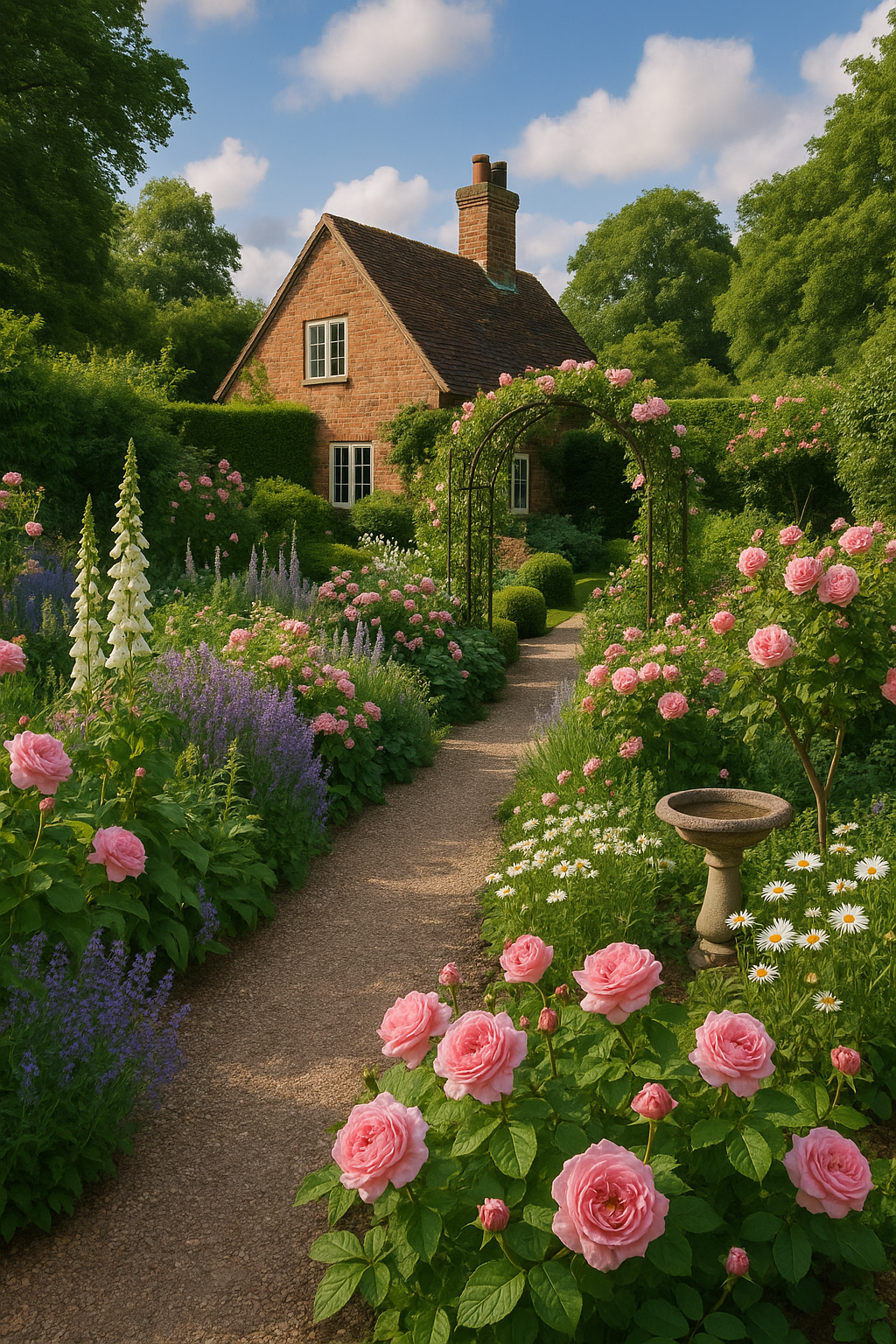
The allure of the English garden is undeniable. With its whimsical pathways, blooming florals, and serene atmosphere, it offers a verdant haven that invites relaxation and enjoyment. This article delves into the enchanting world of English style gardens, providing detailed insights, practical tips, and a wealth of ideas to inspire you to create your own slice of British countryside.
What is an English Style Garden?
The term “English garden” invokes images of a harmonious blend of nature and art. It refers to a specific design style characterized by a naturalistic approach, which aims to encapsulate the beauty of the natural landscape while also creating inviting spaces for human interaction. This type of garden often features a mix of flowering plants, lush greenery, winding paths, and strategic focal points.
Historical Context
The roots of the English garden can be traced back to the 18th century, particularly the Romantic period, when nature was celebrated for its imperfection. Notable figures such as Capability Brown and Humphry Repton were pivotal in designing settings that embraced the picturesque elements of nature. They transformed formal gardens into landscapes that flowed seamlessly into the surrounding countryside.
As a result, English gardens became synonymous with winding paths, carefully curated greenery, and a diverse array of flowers that bloom throughout the seasons. Their essence lies in their ability to reflect the beauty of the natural world while providing a peaceful retreat.
Why Choose an English Style Garden?
Several compelling reasons make the English garden style an appealing choice:
-
Visual Appeal: English gardens are filled with colors and scents, creating a sensory experience for all who enter.
-
Natural Flow: They work in harmony with the land, often improving the biodiversity of the area.
-
Serenity: An English garden promotes relaxation and contemplation, providing a peaceful escape from the hustle and bustle of modern life.
-
Versatility: Suitable for various landscapes, from small urban yards to sprawling estates, they can be customized to fit personal tastes and spatial needs.
Core Elements of an English Style Garden
1. Plant Selection
The selection of plants is perhaps the most vital element of any English garden. Here are some staples:
-
Perennials: Plants like peonies, lavender, and foxglove provide enduring beauty and vibrancy.
-
Roses: The quintessential English flower, climbing and rambling roses add an old-world charm.
-
Herbs: Sage, thyme, and rosemary not only add fragrance but also serve practical culinary purposes.
-
Shrubs: Boxwood and hydrangeas can contribute to structure and formality.
-
Wildflowers: Interspersing native wildflowers encourages biodiversity and attracts pollinators.
2. Pathways and Walkways
English gardens often feature meandering paths that encourage exploration. Materials can range from gravel to cobblestones, each providing a different aesthetic. Consider:
-
Curved pathways: Encourage a slower pace and allow for lingering moments of appreciation.
-
Arbors and Arches: These structures can create a sense of enclosure and intimacy and can be adorned with climbing plants.
3. Focal Points
A successful English garden often includes focal points that draw the eye. These might be:
-
Sculptures: Statues, birdbaths, or unique garden ornaments can elevate your design.
-
Seating Areas: Benches or garden chairs allow for rest and contemplation, encouraging engagement with the landscape.
4. Textures and Layers
Creating depth through texture and layering is crucial in an English garden. Different heights and plant forms—like tall delphiniums alongside low-growing thyme—add complexity and visual interest.
5. Seasonal Interest
English gardens are alive with changing colors and scents throughout the year. Incorporating plants that bloom in sequential seasons ensures that your garden remains vibrant and engaging no matter the time of year.
6. Garden Accessories
Accessories play a significant role in set design and ambiance. Consider adding:
-
Birdhouses: To invite feathered friends and promote biodiversity.
-
Wind Chimes: To add soothing sounds that enhance the tranquil atmosphere.
-
Water Features: Ponds or fountains create movement and the relaxing sound of water.
Common Questions About English Style Garden Ideas
Q: What are some beginner-friendly English garden plants?
A: For novice gardeners, it’s best to start with low-maintenance plants that thrive in a variety of conditions. Some suggestions include:
- Lavender: A hardy perennial that adds wonderful fragrance and attracts pollinators.
- Daylilies: Known for their resilience and variety of colors.
- Sedum: A drought-tolerant succulent that can thrive in tough conditions.
- Geraniums: Easy to propagate and known for their long blooming season.
Q: How much space do I need to create an English garden?
A: The beauty of English gardens is their adaptability. While sprawling estates lend themselves to grand designs, smaller urban backyards can be just as impactful. Even a few square meters can accommodate a small English garden. Focus on vertical space with climbing plants and layered heights to maximize the area you have.
Q: Are English gardens expensive to maintain?
A: The maintenance cost can vary depending on the plants chosen, the complexity of design, and the chosen materials. However, many beautiful elements of English gardens can be budget-friendly with perennials that bloom year after year and native plants that thrive with little care. Compromise on a few costly elements, like hardscape materials, to keep costs balanced without sacrificing beauty.
Q: How do I keep my garden looking lush throughout the year?
A: Seasonal planning is key! Choose a mix of:
- Spring bloomers: Daffodils, tulips, and hyacinths for early color.
- Summer favorites: Hydrangeas, roses, and lilies for mid-year splendor.
- Autumnal hues: Asters, mums, and ornamental grasses for fall texture.
- Winter interest: Evergreens, berries, and features like birch trees can keep your garden lively and inviting during cold months.
Q: What layout should I consider for my garden?
A: While there’s no one-size-fits-all approach, consider these guidelines:
- Central Pathway: Create a primary path that leads through the garden.
- Functional Zones: Designate areas for different activities, such as sitting, dining, or growing herbs.
- Vary Heights: Use raised beds or pots for visual interest and introduce a tiered garden look.
Q: Can I incorporate a formal structure into an English garden?
A: Absolutely! Many English gardens have elements of formality. You can create defined spaces with hedges or low walls while maintaining a relaxed planting style. This combination can lead to a beautifully balanced garden that reflects both structured design and natural growth.
Q: Can I create an English garden in a small yard?
A: Yes! A small yard can still capture the essence of an English garden. Maximize vertical space using trellises for climbing plants, use pots to create layers on patios, and focus on a well-designed focal point, such as a birdbath or a small seating area, to draw attention.
Steps to Create Your English Style Garden
Step 1: Assess Your Space
Take a close look at your yard’s layout, sun exposure, and soil condition. Consider how much time you can dedicate to maintenance. Understanding your environment will inform your plant choices and design layout.
Step 2: Plan Your Design
Sketch out your ideas. Including pathways, flower beds, and seating areas can help structure your design. Don’t forget to incorporate views from inside your home; you want the garden to be visually appealing from all angles.
Step 3: Select Your Plants
Choose a diverse range of plants that will thrive in your climate, provide seasonal interest, and match your aesthetic. Local garden centers can help you select varieties that will work well together.
Step 4: Prepare the Soil
Soil preparation is critical. Amend your soil with compost to ensure your plants get the nutrients they need. Good drainage is also essential, especially in areas with heavy rainfall.
Step 5: Implement Your Design
Begin installing your hardscapes—pathways, walls, and seating. Once that’s completed, commence with the planting. Follow your plan, being generous with spacing to promote airflow and avoid overcrowding.
Step 6: Care and Maintenance
Establish a routine for watering, fertilizing, and pruning your plants. Regular maintenance will help keep your garden vibrant and allow for a dynamic growth environment over time.
Step 7: Enjoy Your Space
Set aside time to engage with your garden. Whether reading a book on a bench surrounded by flowers or simply savoring the scent of blooming lavender, the heart of an English garden lies in creating a connection with nature.
Final Thoughts
Creating an English style garden is an endeavor that blends art, sustainability, and personal expression. By carefully selecting elements that resonate with you, understanding the essence of this garden style, and committing to the ongoing process of nurturing the space, you can cultivate a beautiful retreat that offers joy and solace for years to come.
The journey of creating your own English garden is not only an investment in your home but also an expression of your love for nature’s beauty. With each blooming flower and rustling leaf, this beloved style of gardening invites peace, reflection, and a deep appreciation for the exquisite wonders of the natural world. Happy gardening!