
Gardening enthusiasts are continually seeking innovative ways to express their creativity and connect with nature. One of the transformative concepts gaining popularity is the circle garden. Not only does this design offer aesthetic appeal, but it also promotes a sense of unity and tranquility within the outdoor space. In this article, we’ll explore everything you need to know about circle gardens, from the underlying principles to practical tips for creating your own circular oasis.
What is a Circle Garden?
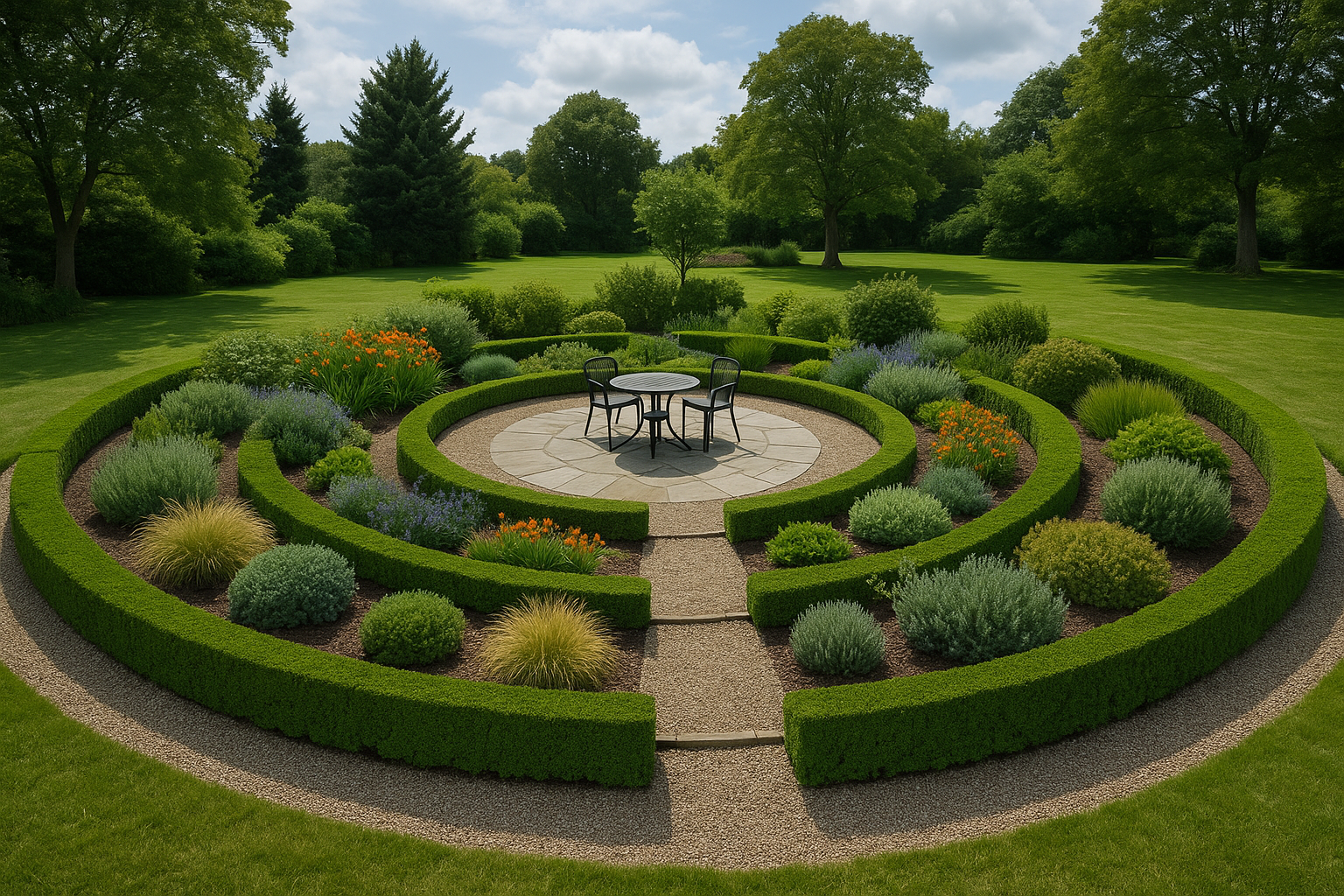
A circle garden is a garden design formed in a circular shape, which can vary in size from small intimate circles to larger, expansive designs. The circle can serve as the focal point in a larger garden layout or stand alone in a yard. Circle gardens can accommodate an array of plants, flowers, and features, including seating areas, sculptures, and even water elements.
Why Choose a Circle Garden?
-
Enhances Aesthetics: Circular designs can create a sense of flow and harmony, drawing the eye and providing an appealing focal point.
-
Fosters Inclusivity: The circle shape encourages a gathering atmosphere, making it perfect for socializing and creating shared gardening experiences.
-
Optimizes Space: Circle gardens can maximize available gardening space, creating a lush and productive area in even the smallest yards.
-
Encourages Flow: The circular shape allows for easy access, creating a smooth traffic pattern throughout the garden.
-
Symbolic Meaning: The circle often symbolizes unity, completion, and eternity, so it can imbue your garden with deeper meaning.
Key Considerations for Circle Gardens
Designing an effective circle garden requires careful thought and planning. Here are some fundamental considerations.
1. Identify the Location
The first step is to choose an appropriate location. Consider factors like:
- Sunlight: Most plants thrive in full sun, so evaluate the amount of sunlight the space receives throughout the day.
- Soil Quality: Test the soil for nutrients, pH level, and drainage capacity.
- Access: Ensure that the garden is easily accessible for maintenance and harvesting.
2. Size and Scale of Your Circle
Decide how large you want your circular garden to be. The dimensions should correlate with:
- Available Space: A small yard might benefit from a 6-8 foot circle, while larger properties may accommodate a circle of 10-15 feet or more.
- Plant Choices: Select plants based on the size; larger plants require more space to grow without becoming overcrowded.
3. Design and Layout
A successful circle garden balances aesthetics and practicality. You can approach this in several ways:
- Central Focal Point: Consider adding a sculpture, a birdbath, or a small tree at the center of the circle.
- Layering Plants: Use a tiered approach by planting taller species in the middle and shorter ones around the edges.
- Incorporate Paths: Circular walkways can enhance accessibility while adding an interesting geometric element.
4. Plant Selection
Choose plants that thrive in your local climate and complement each other harmoniously. Consider these categories:
- Perennials: Plants like lavender, coneflowers, and daylilies can form a permanent base for the garden.
- Annuals: Include seasonal blooms to add variety, such as marigolds and petunias.
- Herbs and Vegetables: If you enjoy edibles, place fragrant herbs or compact vegetable varieties in your circle.
5. Soil Preparation and Planting
Before planting, prepare your soil:
- Testing Soil: Use a soil test kit to determine the composition and nutrient levels.
- Amending Soil: Based on test results, add compost or other amendments to improve fertility.
- Planting: When planting, give each plant adequate spacing to promote airflow and growth.
6. Additional Features
Integrate other elements into your circle garden for a more captivating space:
- Water Features: Adding a small pond or fountain can attract wildlife and provide soothing sounds.
- Seating Areas: Benches or chairs encourage relaxation and enjoyment of the garden.
- Garden Art: Decorative stones, twinkling lights, or wind chimes can lend personality to your design.
Common Circle Garden Styles
There are numerous styles of circle gardens to explore, each with its unique aesthetic and purpose.
1. Herb Circle Garden
An herb circle garden emphasizes culinary plants and provides an inviting sensory experience. This garden often features a combination of annual and perennial herbs, like basil, rosemary, thyme, and mint. One can create raised beds to define the area or integrate stones to establish paths.
2. Flower Circle Garden
A flower circle garden focuses on blooms and colors. Selecting a variety of flowers promotes visual interest throughout the seasons. Using a mix of annuals and perennials like tulips, daisies, and zinnias can keep the garden vibrant year-round.
3. Vegetable Circle Garden
Ideal for those with limited space, a vegetable circle garden focuses on growing food. You can maximize production by planting in small raised beds or even in pots arranged in a circular formation. Choose compact varieties like cherry tomatoes, radishes, and salad greens for best results.
4. Zen Circle Garden
A Zen or Japanese circle garden emphasizes tranquility and mindfulness. It often includes sand, gravel, rock arrangements, and minimalistic plantings. Incorporate stepping stones, a small water feature, or bamboo for an authentic touch.
5. Wildlife Circle Garden
Fostering biodiversity, a wildlife circle garden attracts beneficial insects, hummingbirds, and other wildlife. Include native plants that support local ecosystems and provide habitats for bees, butterflies, and birds.
Frequently Asked Questions about Circle Gardens
Q1: How do I maintain a circle garden?
Answer: Maintaining a circle garden involves regular tasks like watering, weeding, deadheading spent blooms, and applying mulch to suppress weeds and retain moisture. It’s important to keep track of your plants’ growth and health, as some may need staking or pruning over time.
Q2: Can I use pots in a circle garden?
Answer: Absolutely! Using pots can add height and diversity to your circle garden. You can easily move pots around and rearrange them if you want to change the focal point or design. Consider using varying pot sizes to create an eye-catching arrangement.
Q3: What are some good plant combinations for a circle garden?
Answer: Think about color, texture, and height when combining plants. For example, a beautiful combination might include tall sunflowers in the center, with medium marigolds and short petunias surrounding the edges. Don’t forget to include some fragrant herbs, like basil or mint, for additional sensory experience!
Q4: How much sunlight do circle gardens need?
Answer: Most plants flourish in full sun, which means at least 6 hours of direct sunlight per day. However, you can choose shade-tolerant plants if your circle garden will mostly be in the shade. Research individual plant requirements before deciding.
Q5: Can I create a circle garden in my small backyard?
Answer: Yes! Circle gardens can be adapted to small spaces. You can create a miniature version using smaller plants or even incorporate vertical gardening techniques, using wall planters or trellises in a circular arrangement.
Q6: How do I select a focal point for my circle garden?
Answer: The focal point should resonate with your interests and the theme you want to evoke. It can be a large sculpture, a unique plant, or a water feature—whatever draws the eye and invites exploration. Ensure it’s proportionate to the overall size of your garden.
Step-by-Step Guide to Creating Your Circle Garden
Step 1: Plan
Begin by sketching your design on paper. Consider dimensions, pathways, plant placement, and focal points. This will provide clarity on how you want your garden to evolve.
Step 2: Choose Your Area
Identify and demarcate the selected area for your circle garden using stakes, string, or a garden hose to outline the shape.
Step 3: Prepare the Soil
Remove any existing grass and weeds, and turn the soil to enhance aeration. Incorporate organic matter as needed.
Step 4: Create a Base
If you’re building raised beds, determine the height based on the plant types chosen and construct them with your desired materials (wood, stone, etc.).
Step 5: Plant Strategically
Begin planting from the center outwards, placing taller plants inside the circle and allowing shorter ones to surround them, ensuring great visibility.
Step 6: Add Mulch
Applying a layer of mulch will conserve moisture, suppress weeds, and give a polished appearance to your garden.
Step 7: Enhance with Features
Finally, complete your design by incorporating seating, artwork, or pathways to make your garden experience more immersive.
Conclusion: The Circle Garden Experience
Circle gardens embody a unique blend of simplicity and sophistication. With their enchanting shapes and inclusive designs, they offer endless possibilities for creativity and expression. Whether you choose to grow vegetables, flowers, or herbs, a circular layout allows for beauty and utility in harmony.
By understanding the fundamental principles and taking the time to plan effectively, anyone can create a circle garden that enriches their outdoor space and fosters a deep connection with nature. Invite family and friends to share in the experience and enjoy the tranquility of your circular garden oasis. Embrace the circle, celebrate its beauty, and let it transform your landscape.
Call to Action
Now that you’re equipped with the knowledge to embark on your circle garden journey, go outside, immerse yourself in nature, and transform your space into a circular retreat that reflects your style and love for gardening! Remember, every circular garden tells a story—make yours uniquely yours!