
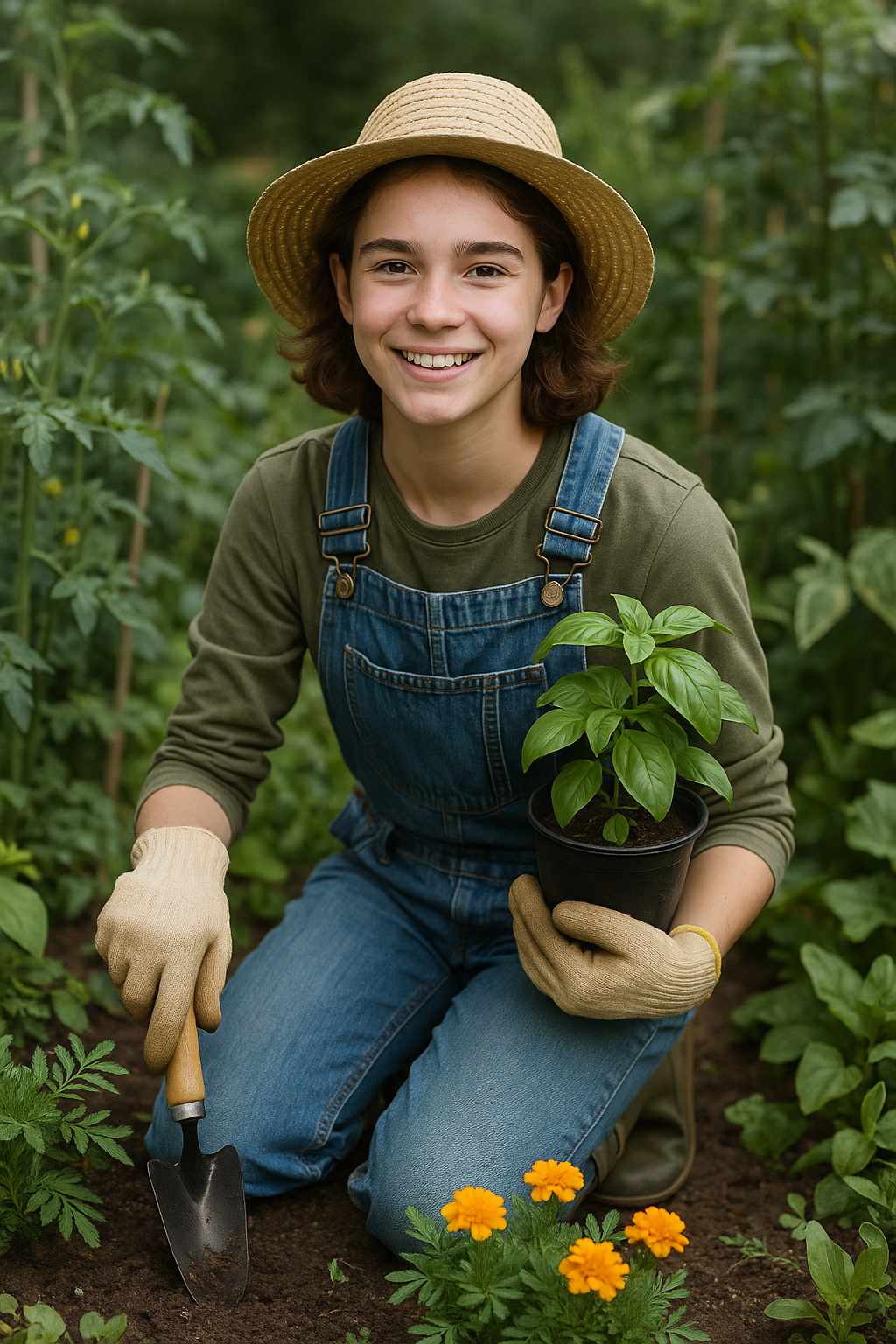
Gardening is often perceived as a pastime reserved for the elderly or those with decades of experience. However, a vibrant new generation is redefining this image: young gardeners are cultivating not just plants, but also a deeper connection to nature, sustainability, and community. In this extensive exploration, we delve into the world of young gardeners, highlighting their inspiring stories, the benefits they reap from their green endeavors, and what motivates them to dig into the soil.
Understanding Young Gardeners
Who are they?
Young gardeners typically span a wide age range, from children in elementary school to college students and young professionals. This demographic also embraces various backgrounds, cultures, and interests. However, all share a common passion for nurturing the earth and growing their own food, flowers, or ornamental plants.
What motivates young gardeners?
For many, gardening is deeply rooted in emotional and environmental motivations:
-
Connection to Nature: Young gardeners often express a longing to connect with the natural world. In an age dominated by technology, gardening provides a grounding experience, allowing them to savor hands-on interactions with soil, seeds, and plants.
-
Sustainability: Many young people are driven by a desire to make environmentally conscious choices. Gardening enables them to produce organic food, reduce food miles, and cultivate habitats for local wildlife.
-
Health and Well-Being: Studies have shown that gardening can reduce stress, increase physical activity, and improve mental health. Young gardeners often find solace in tending to their plants—evidencing that their endeavors are as much about emotional health as they are about physical cultivation.
-
Community and Social Connections: Gardening also serves as a wonderful platform for community building. Young gardeners often participate in local gardening clubs, community gardens, or school initiatives, creating friendships and connections with others who share their interests.
-
Learning and Growth: Gardening is a hands-on learning experience. Many young gardeners are attracted by the opportunity to sense the delight of watching something grow from seed to bloom or fruit. The learning process, filled with trial and error, cultivates patience, responsibility, and resilience.
The Value of Young Gardeners
When we consider the contributions of young gardeners, several positive impacts come to light:
1. Promoting Sustainability
Young gardeners have stepped up to the challenge of sustainable living. A growing number of them engage in practices such as composting, organic gardening, and permaculture. According to a report from the National Gardening Association, interest in “green” practices is on the rise among young people, with 42% of millennials interested in urban farming and gardening. By adopting these methods, young gardeners not only contribute to their personal health but also advocate for a healthier planet.
2. Educating Others
Young gardeners are becoming educators in their communities. Many take the initiative to share their knowledge of gardening practices, sustainability, and the importance of biodiversity with their peers and even local adults. They may host workshops, write blogs, or create YouTube channels to educate others on gardening techniques, fostering a culture of sharing knowledge and skills.
3. Building Community Resilience
Community gardens, which are often spearheaded by young gardeners, play a vital role in enhancing community resilience. These gardens provide fresh produce in areas known as food deserts, where access to fresh, affordable food is limited. Young gardeners advocate for spaces where individuals can come together, share resources, and build relationships—empowering their neighborhoods.
4. Encouraging Biodiversity
Young gardeners contribute to increased biodiversity in urban areas. By planting a variety of native species and pollinator-friendly flora, they help mitigate the loss of habitat for local wildlife. Furthermore, many young gardeners are committed to using heirloom seeds and preserving local plant varieties, ensuring that genetic diversity remains intact for future generations.
The Grit and Grace of Gardening: Challenges Faced by Young Gardeners
While the journey of young gardeners is filled with joy and fulfillment, it is not without its obstacles.
1. Limited Space
Many young gardeners, particularly those living in urban environments, face the challenge of limited space. Container gardening and vertical gardening techniques have become essential for maximizing small areas. Young gardeners creatively overcome this challenge through rooftop gardens, balcony planters, and community garden plots.
2. Access to Resources
Another hurdle is access to quality gardening supplies, knowledge, and mentorship. Many lack connections with experienced gardeners or may not know where to find reliable resources. However, social media platforms have become invaluable tools in connecting young gardeners with mentors and online communities.
3. Weather and Environmental Factors
Gardening is inherently dependent on environmental factors, which can be unpredictable. Young gardeners must learn to deal with weather challenges, pest infestations, and soil health issues. This learning curve may be frustrating, but it ultimately equips them with valuable skills in problem-solving and adaptability.
How Young Gardeners Are Adaptation Innovators
Young gardeners showcase remarkable adaptability—transforming challenges into innovation. Here are some astounding and creative approaches they have taken:
1. Urban Agriculture Initiatives
As urban spaces become more crowded, young gardeners are leading the way in urban agriculture. Initiatives like rooftop gardens and vertical farms enable them to grow food in limited space while maximizing yield.
- Example: A group of college students in Chicago converted an unused rooftop of their dormitory into a thriving vegetable garden, yielding fresh produce for their campus dining options.
2. Digital Garden Platforms
With the rise of technology, young gardeners navigate digital platforms to enhance their gardening experience. From TikTok gardening tutorials to Instagram gardening communities, these platforms foster creativity and sharing.
- Example: A high school student created a series of TikTok videos showcasing their journey in growing their first vegetable garden, leading to a following of over 50,000 aspiring gardeners.
3. Hydroponics and Aquaponics
Many young gardeners are diving into hydroponics and aquaponics—soilless growing methods that save space, minimize water use, and can be conducted indoors.
- Example: A college student established a successful aquaponic system in their apartment, growing leafy greens while raising fish in a symbiotic system for sustainability.
Frequently Asked Questions
1. How can I get started in gardening as a young person?
Gardening can start small. Begin with pots or containers filled with soil and choose easy-to-grow plants like herbs (basil, cilantro), lettuce, or flowers (marigolds, sunflowers). Local gardening clubs or workshops can also provide resources and support.
2. What if I don’t have outdoor space?
No problem! Container gardening, window boxes, or vertical gardens can provide ample opportunities to garden indoors or on balconies. Community gardens are also a fantastic option, often offering plots to rent or share.
3. Should I grow flowers or edible plants?
This depends on your interests! If growing food excites you, start with vegetables or herbs. If you enjoy aesthetics, focus on flowers. Many gardeners do a mixture of both for a fruitful and beautiful garden.
4. Is gardening expensive?
Gardening can be as cheap or as expensive as you decide. Start small with inexpensive seeds and soil, and gradually invest in tools and more advanced gardening techniques as you gain experience.
5. What can I do during hot weather?
Watering plants early in the morning or late in the evening is ideal. Consider using mulch to reduce water evaporation. You can also use shade cloths for tender plants during extremely hot spells.
Inspirational Stories from Young Gardeners
1. Jack from Ohio
Jack, a 16-year-old, transformed his backyard into a vegetable garden that supplies his family with fresh produce throughout the summer. Inspired by his grandmother’s garden, Jack began documenting his journey on a blog, encouraging other teens to grow their food. His blog, “Teen Green Thumb,” has inspired countless young people to pick up gardening.
2. Mia from California
At just 12 years old, Mia started a community garden in her neighborhood after noticing a lack of vegetables available for her low-income friends. With the support of her parents and local organizations, she created a vibrant garden that not only provides produce but also serves as an educational space for children to learn about gardening.
3. Sam from New York City
Sam, a college sophomore, championed a rooftop farming initiative on his campus. By involving fellow students, he created a sustainable food source for the cafeteria and fostered a sense of community among students passionate about environmental issues. His efforts have expanded into workshops and community outreach.
The Future of Gardening
As young gardeners continue to sprout across cities and towns, their influence on the gardening landscape is undeniable. They are the new torchbearers of sustainability, community empowerment, and biodiversity conservation.
How can society support these budding gardeners?
-
Education: Schools can enhance educational programs on gardening and sustainability, encouraging students to participate in hands-on gardening activities and fostering a love for the environment.
-
Community Resources: Local governments and organizations can support young gardeners by providing access to community gardens, grants, workshops, and mentorship programs.
-
Awareness Campaigns: Highlighting the importance of young gardeners through community events, social media campaigns, and local media can inspire more young people to dig into gardening.
Conclusion
Young gardeners are much more than just the future of horticulture; they are a driving force shaping the way we understand and interact with the natural world. Their passion and dedication not only yield bountiful harvests but also cultivate essential values of community, sustainability, and resilience. As they continue to grow and flourish, let us join hands and nurture their efforts, ensuring that the seeds they plant today blossom into a verdant tomorrow.