
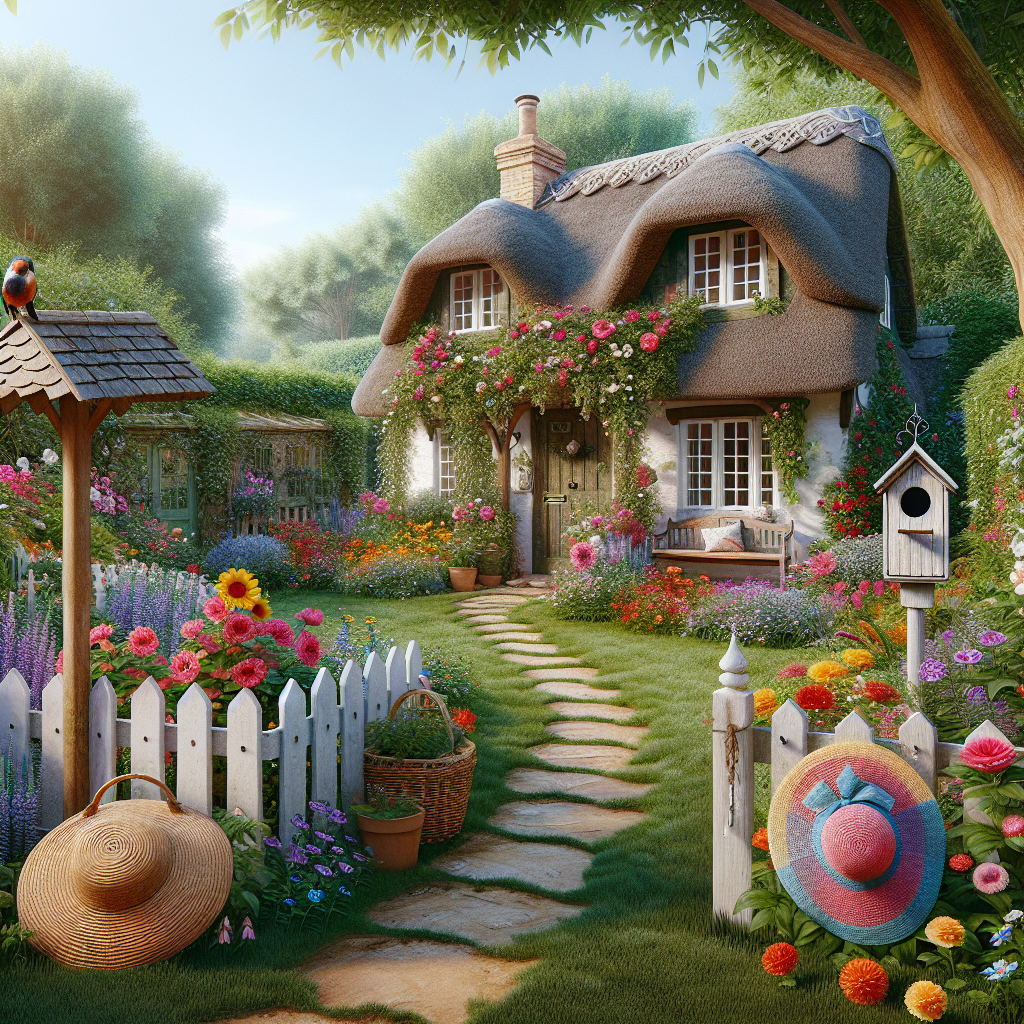
Cottage gardens are a quintessential representation of homely charm and rustic beauty, encapsulating the spirit of country living. With their joyful and harmonious blend of colorful flowers, lush foliage, and charming structures, these gardens invite visitors to experience nature at its most effervescent. In this extensive guide, we will delve into the philosophy behind cottage gardens, the plants to choose, and design elements that can help you create a captivating cottage-style garden.
Table of Contents
- What Defines a Cottage Garden?
- Key Characteristics of Cottage Gardens
- Choosing the Right Location
- Planning Your Cottage Garden Layout
- Selecting Plants for a Cottage Garden
- Incorporating Hardscapes and Structures
- Attracting Wildlife
- Maintaining Your Cottage Garden
- Frequently Asked Questions
- Conclusion
1. What Defines a Cottage Garden?
A cottage garden is an informal garden style that emphasizes a mix of ornamental plants and herbs, often blurring the line between the house and the garden. Traditionally, these gardens originated from rural cottage households, where gardeners grew food, herbs, and flowers in a densely packed, varied layout.
2. Key Characteristics of Cottage Gardens
-
Diversity of Plants: A wide variety of flowers, herbs, and vegetables is simply non-negotiable. The idea is to create a tapestry of color and texture.
-
Informality: The layout is often free-flowing, with flowers spilling over paths and plants happily mingling.
-
Color and Texture: Cottage gardens are alive with color and texture, featuring everything from bold flower blooms to delicate foliage.
-
Strong Sense of History: Many traditional cottage gardens feature heirloom plants, reflecting the history and heritage of gardening.
-
Wildlife Friendly: These gardens often attract bees, butterflies, and other wildlife, making them a haven for fauna.
3. Choosing the Right Location
When it comes to designing a cottage garden, location is critical. Here are some factors to consider:
Sunlight Requirements
- Full Sun vs. Shade: Most flowers in a cottage garden thrive in full sun (6-8 hours a day), but incorporating shaded areas can give you a delightful variety of plants that thrive in less light.
Soil Quality
- Testing Soil: Conduct a soil test to ascertain its pH and nutrient levels. Cottage gardens do best in rich, loamy soil. You might need to amend your soil with organic compost to achieve this.
Access to Water
- Irrigation Plan: Proximity to a water source is vital. Consider how you will water the garden, especially during dry spells.
4. Planning Your Cottage Garden Layout
Though informality is key to a cottage garden, some planning is beneficial.
Paths and Walkways
-
Materials: Use natural materials such as gravel, wood chips, or stone to create winding paths. This adds to the rustic charm.
-
Design: Paths should lead visitors on a journey through your garden, encouraging exploration.
Zones
- Creating Areas: Divide your garden into zones, such as a herb corner, flower border, and vegetable patch. This adds visual interest.
Focal Points
- Structures and Decor: Incorporate a central focal point like a birdbath, trellis, or piece of garden art to anchor the design.
5. Selecting Plants for a Cottage Garden
The plant selection is crucial in building the vibrant character of your cottage garden. Here are various categories of plants you might consider:
Perennials
-
Roses: Consider traditional varieties like ‘Peace’ or English roses for lush blooms.
-
Peonies: Their heavy, fragrant blooms add romance to any garden.
-
Lavender: Not only does it smell divine, but it’s also drought-tolerant.
Annuals
-
Cosmos: These are easy to grow and provide long-lasting color.
-
Nasturtium: These are edible and whimsical, perfect for an informal garden.
-
Zinnias: Their vibrant flowers create a joyful atmosphere.
Herbs
-
Basil: Provide aromatic leaves for cooking and aesthetics.
-
Thyme: Low-growing varieties can serve as ground cover.
-
Chives: Their purple flowers are appealing while also serving culinary purposes.
Edibles
- Include a mix of greens, root vegetables, and tomatoes. They not only contribute to the visual appeal but also promote self-sufficiency.
6. Incorporating Hardscapes and Structures
Structures define space and contribute to the cottage garden aesthetic.
Arbors and Trellises
- Use them to support climbing plants like clematis or honeysuckle.
Seating Areas
- Create cozy nooks with benches or swings, encouraging relaxation and connection with nature.
Raised Beds
- Consider using raised beds for vegetables or herbs; they add height and allow for better management of soil.
7. Attracting Wildlife
Cottage gardens are particularly well-suited for creating habitat for wildlife.
Birdhouses and Feeders
- These additions not only attract birds but also provide a charming focal point.
Pollinator Gardens
- Encourage bees and butterflies by planting a variety of nectar-rich flowers.
8. Maintaining Your Cottage Garden
Maintenance is vital to keep your garden flourishing.
Regular Weeding
- Despite their informal nature, keeping the garden weeds at bay is essential.
Watering
- Regular watering, especially during dry spells, ensures plant health.
Deadheading Flowers
- Regularly remove spent blooms to promote new growth and maintain a tidy appearance.
9. Frequently Asked Questions
What are the best flowers for a cottage garden?
Some classic choices include delphiniums, hollyhocks, foxgloves, and daisies. These add color and height.
How do I ensure that my cottage garden looks lush and colorful throughout the year?
Incorporate a mix of perennials, annuals, and evergreens. Succession planting— where you sow crops at intervals— can extend the blooming period.
How can I create a sense of privacy?
Utilize tall plants such as sunflowers or shrubs, and consider installing trellises or fences draped with climbing plants.
Is it necessary to stick to traditional cottage garden plants?
Absolutely not! While traditional varieties bring authenticity, feel free to personalize your garden with modern cultivars or even non-native species that suit your area.
What maintenance does a cottage garden typically require?
A cottage garden does require routine maintenance like weeding, watering, pruning, and occasional fertilizing. However, its informal nature means that it can sometimes be more forgiving than a formal garden.
10. Conclusion
Designing a cottage-style garden is an endeavor that combines creativity, passion, and a touch of whimsy. With their lush plant choices, varied textures, and informal layouts, cottage gardens create an inviting environment that captures the timeless elegance of nature.
Focus on incorporating a mix of plants, natural materials, and charming structures, and you’ll cultivate not just a garden but a serene retreat that invites exploration, relaxation, and enjoyment.
Whether you’re starting from scratch or revitalizing an existing garden, embrace the principles of cottage gardening. With thoughtful planning and selection, your cottage garden can flourish into a colorful tapestry that welcomes you and sustains local wildlife for years to come. So gather your seeds, tools, and inspiration, and let your cottage garden dreams blossom into reality!