
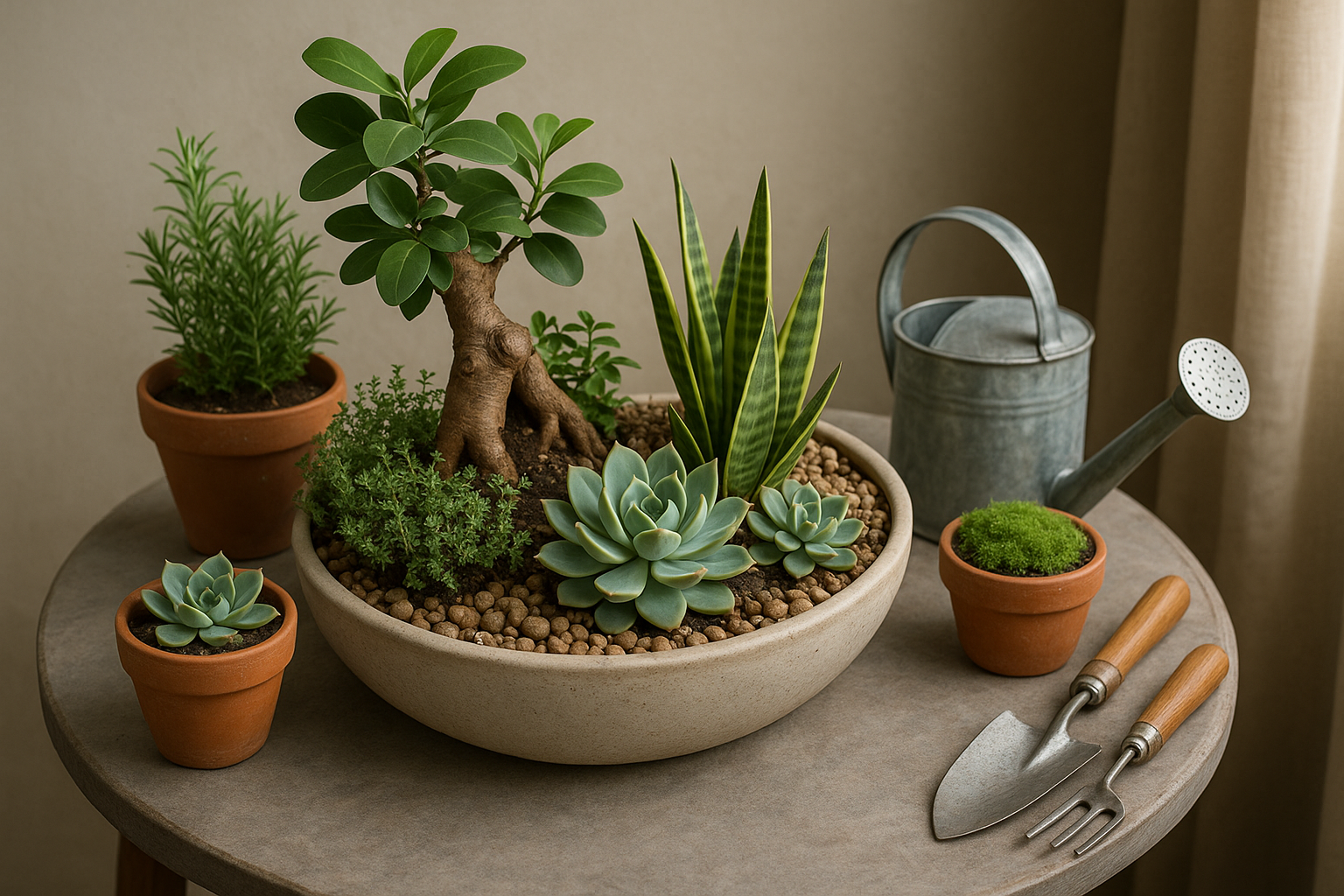
Gardening has long been a beloved pastime for many, offering not only a creative outlet but also a way to connect with nature. In recent years, a new trend has emerged that captures the spirit of traditional gardening while accommodating the needs of urban dwellers and those with limited space: the tabletop garden. This article delves deep into the concept of tabletop gardening, its numerous benefits, how to create your own, and all the questions you might have about this rewarding hobby.
What is a Tabletop Garden?
A tabletop garden is a miniature gardening setup that is usually placed on surface areas such as tables, balconies, windowsills, or countertops. It typically consists of small containers, pots, or raised beds wherein plants are cultivated, allowing people without extensive yard space to engage in the gratifying practice of gardening. Tabletop gardens can accommodate a wide variety of plants, including herbs, vegetables, flowers, and ornamental grasses.
The Rise of Tabletop Gardening
Tabletop gardening has surged in popularity as more people seek sustainable living practices, limited living spaces, and the joys of homegrown produce. This gardening style aligns perfectly with modern urban living, allowing individuals to bring a piece of green indoors or onto patios. The movement has also been spurred by the growing interest in organic food, as people want to know where their food comes from and how it is grown.
Why Choose a Tabletop Garden?
Accessibility
One of the primary advantages of a tabletop garden is accessibility. For those with limited mobility or space, traditional gardening can be daunting. Tabletop gardens eliminate many barriers and provide an approachable way for individuals, including children and the elderly, to engage with plants.
Space-Efficient
Many people live in apartments or homes without a backyard, making it challenging to cultivate a traditional garden. Tabletop gardens can be set up almost anywhere, making them an excellent solution for those with limited outdoor space.
Aesthetically Pleasing
Tabletop gardens can serve as decorative accents in any space. With a variety of plants and containers available, they can be designed to suit any aesthetic, from rustic to modern. A well-cultivated tabletop garden can brighten up your home and serve as an eye-catching conversation starter.
Educational Opportunities
Tabletop gardens provide a wonderful opportunity for education. Young children can learn about biology and responsibility by taking care of plants, while adults can learn about different horticultural techniques. The experience can spark curiosity and foster an appreciation for nature, plants, and healthy living.
Fresh Produce at Your Fingertips
Growing your own herbs and vegetables offers unparalleled freshness and flavor. No store-bought produce compares to the taste of freshly picked thyme or homegrown tomatoes. In a tabletop garden, you can have fresh ingredients available right in your kitchen, inspiring healthier cooking habits.
Therapeutic Benefits
Gardening is known to have numerous mental health benefits. Engaging with plants can reduce stress, improve mood, and foster a sense of accomplishment. The act of nurturing a garden, regardless of its size, can serve as a form of mindfulness and provide a therapeutic retreat from the fast pace of modern life.
Common Questions About Tabletop Gardening
How Do I Start a Tabletop Garden?
Starting your tabletop garden is straightforward. Here are key steps to follow:
-
Choose Your Herbs and Plants: Decide what you would like to grow. Popular choices for tabletop gardens include herbs (like basil, thyme, and mint), salad greens, succulents, and flowering plants.
-
Select Your Containers: Look for containers that suit your style and the type of plants you have chosen. Ensure they have drainage holes to prevent overwatering. You can use traditional pots, wooden crates, or even repurposed items like mason jars.
-
Soil Selection: Use quality potting soil that is tailored to the type of plants you are growing. Some plants need richer soil, while others thrive in a mix designed for succulents or cacti.
-
Light Considerations: Determine where to place your tabletop garden. Most herbs and vegetables require at least six hours of sunlight daily. If natural light is insufficient, consider using grow lights.
-
Watering: Establish a watering routine. Check the soil moisture regularly; the top inch should feel dry before watering again. Be careful not to overwater, as this can lead to root rot.
-
Fertilizing: Use organic fertilizers every few weeks to provide your plants with nutrients. This is particularly important for those growing vegetables and herbs, as they draw nutrients from the soil.
-
Maintenance: Regularly trim your plants, check for pests, and remove any dead or yellowing leaves to promote healthy growth.
What Are the Best Plants for Tabletop Gardens?
The best plants for your tabletop garden depend on your personal preferences, available space, and the amount of sunlight the area receives. Here’s a list of popular choices:
-
Herbs: Basil, parsley, cilantro, and mint are great choices for fresh flavor in cooking.
-
Salad Greens: Lettuce, spinach, and arugula can thrive in smaller pots and are perfect for salad lovers.
-
Flowers: Marigolds, pansies, and petunias can add color to your garden while attracting pollinators.
-
Succulents: These hardy plants require minimal care and come in a variety of shapes and colors. They are perfect for low-maintenance gardeners.
-
Microgreens: Growing microgreens is a great way to add nutrition to your meals. They are fast-growing and can be harvested in just a few weeks.
How Much Light Do Plants Need for a Tabletop Garden?
Most plants require at least six hours of indirect sunlight each day. If growing edible plants, ensure they’re receiving adequate light to develop flavorful leaves. If natural light is scarce, invest in full-spectrum grow lights to supplement light conditions. Some plants, such as ferns or certain shade-loving flowers, can tolerate lower light levels, but their growth will be less vigorous.
Can I Grow Vegetables in a Tabletop Garden?
Absolutely! Many vegetables can be successfully grown in tabletop gardens, especially those with smaller growth habits. Here are a few vegetables that adapt well to container gardening:
- Lettuce: Grows well in shallow containers and can be harvested over time.
- Radishes: Quick to grow and require minimal space.
- Cherry Tomatoes: Dwarf or determinate varieties can thrive in pots.
- Peppers: Bell peppers or spicy varieties are suitable for tabletop gardens if the containers provide ample space.
How Do I Care for My Tabletop Garden?
-
Watering: Monitor soil moisture and water when the top inch is dry. Keep in mind that different plants have varying water needs.
-
Fertilization: During the growing season, feed your plants every few weeks with organic fertilizer, which can strengthen their growth.
-
Pruning & Harvesting: Regularly prune your herbs and vegetables to encourage bushier growth and remove any dead or damaged leaves. For herbs, consider harvesting them frequently to promote new growth.
-
Pest Control: Keep an eye out for pests common to indoor plants. Using natural remedies like insecticidal soaps or neem oil is effective for controlling insect populations without harming your plants.
-
Seasonal Adjustments: Adjust your watering and fertilization routine with the changing seasons, as plants may require more or less depending on growth patterns.
Can I Use Recycled Materials for My Tabletop Garden?
Yes! Not only does it save money, but using recycled materials can also be a creative and fun aspect of tabletop gardening. Here are some ideas:
-
Old Jars and Containers: Mason jars, glass containers, and coffee cans make excellent homes for small plants like herbs or succulents.
-
Wooden Crates or Pallets: These can create rustic-looking raised planter boxes for a variety of plants.
-
Shoeboxes: You can fill them with soil and use them as shallow trays for microgreens or herb seeds.
-
Plastic Containers: Ensure that they have drainage holes, and these containers can be painted or decorated for aesthetics.
Be sure to clean any used containers thoroughly and choose materials that are safe for growing food if you plan to cultivate edible plants.
What Are the Cost Implications of Starting a Tabletop Garden?
Starting a tabletop garden is generally an affordable venture compared to traditional gardening, particularly if you utilize recycled materials. Some costs to consider include:
-
Containers: Prices vary based on material, but budget-friendly options abound.
-
Soil: Quality potting mix can range from a few dollars to pricier specialty mixes.
-
Seeds or Plants: Depending on what you choose to grow, seeds are often less expensive than seedlings, though they take longer to produce.
-
Fertilizer: Organic fertilizers may have a higher upfront cost but promote healthier long-term plant growth.
-
Tools: Basic gardening tools, such as trowels, scissors, or watering cans, may be necessary.
Overall, a small tabletop garden can be started for under $50, depending on the scope and scale of your setup.
How Can I Incorporate a Tabletop Garden into My Home?
Incorporating a tabletop garden can be as simple or as elaborate as you desire. Here are some creative ways to integrate a tabletop garden into your home:
-
Kitchen Counter: Position herbs nearby for easy access during cooking.
-
Dining Table: Use a decorative centerpiece of flowering plants for added beauty during mealtime.
-
Coffee Table: Create an eye-catching arrangement of succulents or small ornamental plants.
-
Windowsills: Optimize natural light by growing plants in sunny window spots.
-
Balcony or Patio: Stylish planters can elevate outdoor furniture while making the space feel inviting.
Conclusion
Tabletop gardens are more than just a trend; they are a powerful way to bring nature indoors, improve our living spaces, and cultivate a deeper connection with what we consume. Whether you live in a tiny apartment or are fortunate enough to have some outdoor space, a tabletop garden provides accessibility, aesthetic beauty, therapeutic value, and the satisfaction of growing your own plants.
As you embark on your tabletop gardening journey, consider the countless benefits it offers. Embrace the chance to educate yourself and others while enjoying the joys of watching your plants grow. With proper care, attention, and a little creativity, you will transform your home into a vibrant, green sanctuary that nourishes both body and soul.
Now is the time to dig in, get your hands dirty, and discover the wondrous world of tabletop gardening! Whether you grow herbs, flowers, or miniature vegetables, this rewarding activity can enrich your life in surprising ways—one small plant at a time. Happy gardening!