
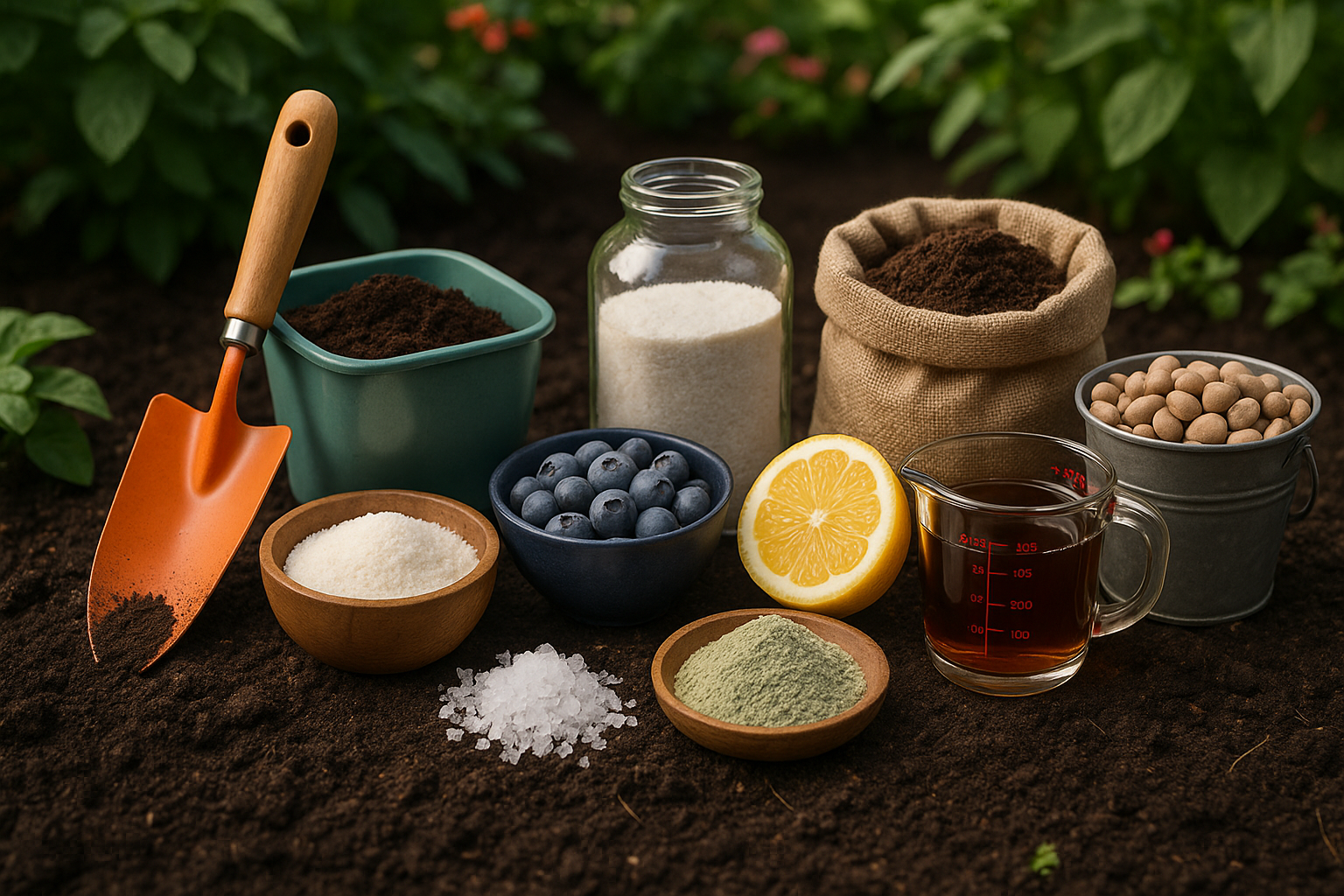
Soil acidity plays a critical role in determining the types of plants that thrive in your garden. Some plants, such as blueberries, azaleas, and rhododendrons, flourish in acidic soils, while others, like lavender and asparagus, prefer more alkaline conditions. If you’ve noticed that your garden isn’t performing the way you’d like, or if you’re looking to cultivate acid-loving plants, you may need to adjust your soil pH. In this extensive article, we’ll explore everything you need to know about how to make your garden soil more acidic, addressing common questions along the way.
Understanding Soil pH
What is Soil pH?
Soil pH is a measure of how acidic or alkaline the soil is, ranging from 0 to 14. A pH of 7 is considered neutral, anything below 7 is acidic, and anything above 7 is alkaline. Acidic soils (pH less than 7) often contain higher concentrations of hydrogen ions, which can affect nutrient availability and microbial activity.
Why Does Soil pH Matter?
Soil pH influences:
- Nutrient Availability: Different nutrients are more or less available depending on the pH. For instance, phosphorus is more available in neutral to slightly alkaline conditions, while iron becomes more available in acidic conditions.
- Microbial Activity: Soil pH affects the microbial community, including beneficial microbes that help with plant growth.
- Plant Health: Certain plants have specific pH preferences, and growing them outside of their preferred range can lead to poor health and reduced productivity.
Signs Your Soil is Too Alkaline
Before you begin the process of acidifying your soil, it’s essential first to determine its current pH. You can do this using a simple home test kit or by sending a soil sample to a laboratory.
Common Signs of Alkaline Soil:
- Poor Growth of Acid-Loving Plants: If your azaleas or blueberries are not thriving, this may indicate unsuitable soil conditions.
- Nutrient Deficiencies: Yellowing leaves or poor flowering can be signs of a nutrient imbalance caused by alkaline soil.
- Weed Problems: Some weeds thrive in alkaline conditions, which can compete with your plants for resources.
How to Make Your Garden Soil More Acidic
Now that you understand the importance of soil pH and how to recognize alkaline conditions, let’s explore effective methods to acidify your soil.
1. Organic Matter Addition
Adding organic materials can substantially lower soil pH over time.
- Sphagnum Peat Moss: This organic material is highly acidic and can help reduce pH when mixed into the soil.
- Composted Pine Needles: Pine needles break down to form a naturally acidic mulch that can gradually lower soil pH.
- Leaf Mold: Decomposed leaves, particularly from oak trees, contribute organic matter that can acidify soil.
2. Soil Amendments
Certain chemical amendments can effectively reduce soil pH.
-
Elemental Sulfur: This is one of the most effective ways to acidify soil. When added to soil, sulfur is converted to sulfuric acid by soil bacteria, which lowers soil pH.
Application Rate: Generally, 1 pound of elemental sulfur can lower the pH of 1 square foot of soil by about 1 point; however, this can vary based on soil texture and structure.
-
Aluminum Sulfate: This compound reacts quickly to reduce pH. However, it can be harmful to sensitive plants if over-applied, so use it judiciously.
-
Iron Sulfate: Similar to aluminum sulfate, it also lowers pH and adds iron, which can be beneficial for plants like azaleas.
3. Organic Mulches
Adding organic mulches is another effective way to naturally acidify your soil over time.
-
Wood Chips: Using wood chips from coniferous trees, such as pine, will help lower pH as they decompose.
-
Bark Mulch: Pine bark mulch can also contribute to acidity over time. This is especially useful as it suppresses weeds and helps retain soil moisture.
4. Cover Crops and Green Manures
Growing certain cover crops can improve soil health and acidity.
- Red Clover: Known as a nitrogen-fixing legume, it can also help acidify soil over time as it decomposes.
- Buckwheat: This rapidly growing cover crop can also help lower soil pH while providing excellent organic matter.
5. Adjusting Irrigation Water
If you are using municipal water that is high in calcium and alkalinity, it might be worth switching to a rainwater collection system or using distilled water for your acid-loving plants.
6. Fermented Products
Some gardeners swear by organic fermented products to acidify their soils.
-
Apple Cider Vinegar: Diluting apple cider vinegar in water and using it to water your plants can provide a quick acidity boost.
-
Compost Tea: Using compost tea made from fermented plant materials can also effectively improve soil health and acidity.
Application and Maintenance
How Often Should You Acidify Your Soil?
The need for acidifying amendments will depend on your soil type, the plants you’re growing, and climate conditions. Conduct a soil test every 1-3 years to monitor soil pH and adjust your amendments accordingly.
When to Apply Acidity Amendments?
The best time to apply soil amendments is during the fall. This allows enough time for the amendments to break down and influence soil pH during the colder months when microbial activity is lower.
Important Considerations
- Test First: Always start with a pH test to determine how much amendment is needed.
- Avoid Over-Application: Excessive acidity can harm plants that prefer neutral or alkaline soil conditions.
Common Questions and Answers
Q1: Can I use vinegar or citrus to acidify my soil?
While vinegar and citrus products can yield a temporary increase in soil acidity, they are not suitable for long-term soil amendment. Their effects are often short-lived and can lead to nutrient imbalances if used excessively.
Q2: How long does it take for amendments to change soil pH?
The duration depends on the type of amendment used:
- Elemental sulfur can take several weeks to months to show significant results, especially in cooler soils.
- Aluminum sulfate shows faster results, often within a few weeks.
Q3: Can I acidify soil too much?
Yes, while acid-loving plants thrive at lower pH levels, excessive acidity can lead to nutrient deficiencies, particularly with nutrients like calcium and magnesium, potentially harming your plants.
Q4: Do all plants need acidic soil?
Not at all! While acid-loving plants thrive at pH levels below 6, many plants prefer neutral to slightly alkaline conditions. It’s crucial to know the specific needs of your plants before undertaking pH adjustment.
Q5: Are there soil amendments that can lower pH without the need for chemical fertilizers?
Yes! Techniques like adding organic matter (leaf mold, aged manure) can gradually lower soil pH without resorting to chemicals.
Q6: Can soil acidity affect pest or disease issues?
Yes, soil pH can impact plant resilience. Certain pests and diseases thrive better in certain pH conditions, and maintaining optimal soil pH can lead to healthier plants that are more resilient to infestations.
Q7: Will acidifying soil negatively affect beneficial microbes?
Some species of beneficial microbes prefer neutral to slightly acidic conditions. However, acid-loving plants often host microbes that thrive in lower pH environments. Thus, it’s crucial to find a balance for your specific garden dynamics.
Conclusion
Transforming your garden soil to achieve the perfect acidity can open up a world of opportunities for you as a gardener. With the right knowledge and techniques, you can create a thriving environment for acid-loving plants and enjoy the myriad of benefits they bring. Whether you choose to amend your soil with organic materials, chemical treatments, or simply by tweaking your planting strategies, understanding your soil’s needs will ultimately lead you to gardening success.
So, roll up your sleeves, conduct your soil tests, and start experimenting with the various strategies outlined in this guide. Happy gardening!