
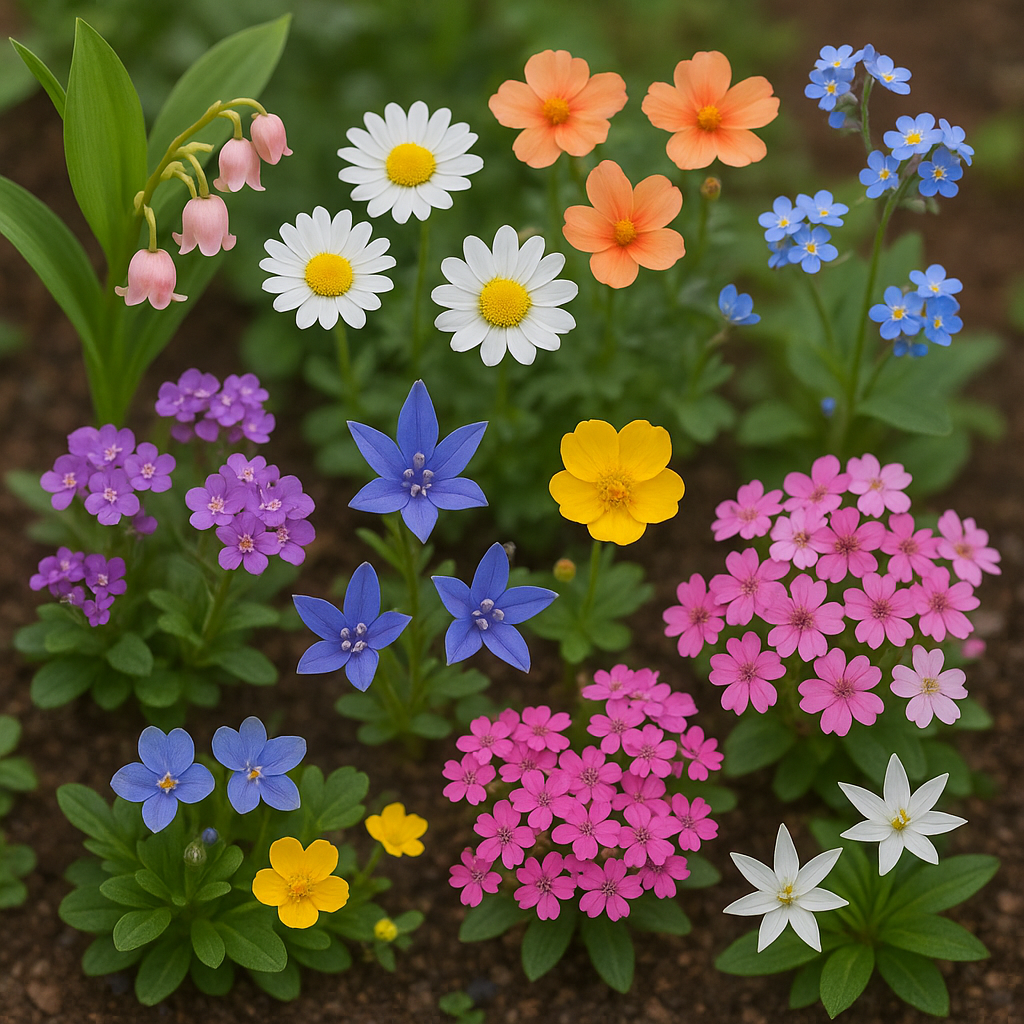
When we think about flowers, our minds might naturally gravitate toward the bold, large blossoms that dominate gardens and landscapes. Yet, there’s a delightful world of small flowers that often goes unnoticed. These tiny gems not only add charm and beauty to our environments but also offer a plethora of benefits to our ecosystems, health, and well-being. In this article, we’ll explore a comprehensive list of small flowers, their significance, the questions you might have about them, and how to cultivate and appreciate these botanical wonders.
What Defines a Small Flower?
When we refer to “small flowers,” we typically mean flowers that are less than two inches in diameter. Despite their diminutive size, these flowers can pack a visual punch and often come with unique shapes, colors, and fragrances. Their versatility allows them to thrive in diverse environments, making them an essential aspect of gardens, meadows, and wild landscapes.
Why Are Small Flowers Important?
-
Biodiversity: Small flowers often serve as vital resources for pollinators such as bees, butterflies, and hummingbirds. They contribute to the overall health of ecosystems by promoting biodiversity.
-
Aesthetic Appeal: They can create stunning visual contrasts in gardens. A mix of large and small flowers can add depth and complexity to floral arrangements and garden designs.
-
Medicinal Uses: Many small flowers have traditional medicinal applications, showcasing their importance in herbal medicine and folklore.
-
Ground Cover: Many small flowering plants serve as excellent ground covers, helping to suppress weeds, retain moisture, and promote soil health.
-
Fragrance: Some small flowers are known for their delightful fragrances, which can enhance the sensory experience of outdoor spaces.
A List of Intriguing Small Flowers
Here’s a selection of small flowers that exemplify beauty and diversity, complete with educational insights about each of them:
1. Forget-Me-Not (Myosotis spp.)
- Size: Approximately 0.5 inches in diameter
- Color: Typically blue, though some variants exist in pink and white.
- Characteristics: Known for its charming five-petal blooms and heartwarming lore associated with love and remembrance.
Interesting Fact: Forget-me-nots are often associated with personal memories and have been used in various traditions and literature.
2. Baby’s Breath (Gypsophila spp.)
- Size: Often less than 1 inch in diameter
- Color: Usually white or pale pink.
- Characteristics: These delicate, airy flowers are popular in floral arrangements and possess a carefree, whimsical appearance.
Use in Arrangements: Baby’s breath is frequently utilized as a filler flower, enhancing the beauty of larger blooms.
3. Dandelion (Taraxacum officinale)
- Size: Approximately 1-2 inches in diameter
- Color: Bright yellow.
- Characteristics: Often misunderstood as a weed, the dandelion has a rich history and serves various ecological roles.
Culinary Uses: Young dandelion leaves are edible, and the flowers can be used to make wine!
4. Miniature Sunflower (Helianthus annuus ‘Teddy Bear’)
- Size: Ranges from 1-2 inches across
- Color: Bright yellow to orange.
- Characteristics: A charming variation of the traditional sunflower, it has a fluffy appearance and is perfect for pot planting.
Fun Fact: Their compact size makes them well-suited for small gardens or balcony containers.
5. Creeping Thyme (Thymus serpyllum)
- Size: Flowers are about 0.5 inches across
- Color: Purple or pink.
- Characteristics: A hardy ground cover that emits a pleasant fragrance, creating an enchanting atmosphere in gardens.
Health Benefits: Thyme has known antibacterial properties and is often used in cooking for flavor and health benefits.
6. Sweet Alyssum (Lobularia maritima)
- Size: Individual flowers are about 0.5 inches in diameter.
- Color: White, purple, or lavender.
- Characteristics: Known for its sweet fragrance, this flower attracts bees and butterflies.
Planting Tip: These flowers thrive in full sun and can help deter pests in vegetable gardens.
7. Bellflower (Campanula spp.)
- Size: Varies, typically 1-1.5 inches
- Color: Blue, purple, or white.
- Characteristics: With its charming bell-shaped blooms, this flower is often found in rugged habitats.
Cultural Significance: Bellflowers can signify gratitude and the appreciation of beauty in various traditions.
8. Lavender (Lavandula spp.)
- Size: Individual flowers are about 0.5 inches long.
- Color: Purple, blue, or white.
- Characteristics: Known for its calming scent and ornamental appeal, lavender is a favorite in gardens and essential oils.
Aromatic Uses: Lavender is often used in aromatherapy to promote relaxation and stress relief.
9. Ocean Bluebell (Campanula portenschlagiana)
- Size: About 1 inch in diameter
- Color: Bright blue.
- Characteristics: This plant thrives in rocky and sandy soils, making it ideal for rock gardens.
Pollination: The flowers are beloved by bees, playing an essential role in supporting local bee populations.
10. Pansy (Viola tricolor var. hortensis)
- Size: Approximately 2 inches in diameter.
- Color: Multi-colored patterns including yellow, purple, and blue.
- Characteristics: Known for their cheerful appearance, pansies are often seen in spring and fall gardens.
Historical Note: Pansies symbolize love and remembrance, making them popular in floral gifts.
Frequently Asked Questions (FAQs)
1. How Do I Care for Small Flowers?
Caring for small flowers depends on the species, but general tips include:
- Soil Conditions: Ensure well-drained soil; sandy soils work well for many small flowers.
- Watering: Most small flowers prefer regular watering but can be drought-tolerant once established.
- Sunlight: Most thrive in full sun (at least six hours a day), but some prefer partial shade.
2. Can Small Flowers Be Grown in Containers?
Absolutely! Many small flowers are perfect for pots and containers, particularly those like baby’s breath, sweet alyssum, and miniature sunflowers. Use adequate drainage holes and quality potting mix for best results.
3. Are Small Flowers Beneficial to Pollinators?
Yes, small flowers are incredibly beneficial to pollinators like bees and butterflies. Their nectar and pollen provide essential resources for these creatures, promoting a healthy ecosystem.
4. What Small Flowers Are Good for Ground Cover?
- Creeping Thyme: A perennial that thrives in sunny spots.
- Sweet Alyssum: Excellent for attracting beneficial insects.
- Moss Phlox (Phlox subulata): Covers ground rapidly and offers lovely blooms in spring.
5. How Can I Incorporate Small Flowers into My Garden?
Here are some tips for incorporating small flowers:
- Mix and Match: Combine small flowers with larger ones for visual interest.
- Create Borders: Use small flowers along pathways or garden edges.
- Container Gardens: Fill pots with a mixture of small flowers for colorful arrangements.
6. What Are the Best Conditions for Growing Small Flowers?
Optimal conditions depend on the specific flower, but many prefer:
- Well-drained soil: To prevent root rot.
- Full sun exposure: Essential for most small flowering plants.
- Regular maintenance: Deadheading spent blooms encourages more flowering.
7. Do Any Small Flowers Have Medicinal Properties?
Yes, many small flowers have been traditionally used in herbal medicine. For instance, lavender is renowned for its calming effects, while dandelions are praised for their detoxification properties.
8. Are There Any Small Flowers That Attract Beneficial Insects?
Certainly! Flowers like sweet alyssum, chamomile, and dill attract beneficial insects, including predatory wasps and hoverflies, which help control pest populations in gardens.
9. How Do Small Flowers Contribute to a Sustainable Garden?
Small flowers can improve soil health, attract pollinators, and support biodiversity. By planting these flowers, you create a vibrant ecosystem that benefits all garden inhabitants.
10. Can Small Flowers Be Used in Floral Arrangements?
Yes! Many small flowers like baby’s breath, forget-me-nots, and miniature sunflowers can be used to create beautiful and balanced floral arrangements, adding delicacy and charm to bouquets.
Conclusion: The Underrated Charm of Small Flowers
In the world of florals, small flowers often take a backseat to their larger counterparts, but their modest size belies an incredible array of benefits, beauty, and significance. From the nostalgic forget-me-not to the fragrant lavender, each small flower tells its own story and plays a vital role in our ecosystems.
The next time you stroll through a garden or find yourself in the presence of a meadow filled with tiny blossoms, take a moment to appreciate their charm. Their subtle beauty can enrich our lives, from enhancing the aesthetics of our spaces to supporting the creatures we depend on for ecological balance.
So why not plant a few small flowers in your own garden? You’ll be rewarded with vibrant colors, pleasing scents, and, most importantly, the satisfaction of knowing you’re nurturing a piece of our planet’s diverse and incredible natural world.