
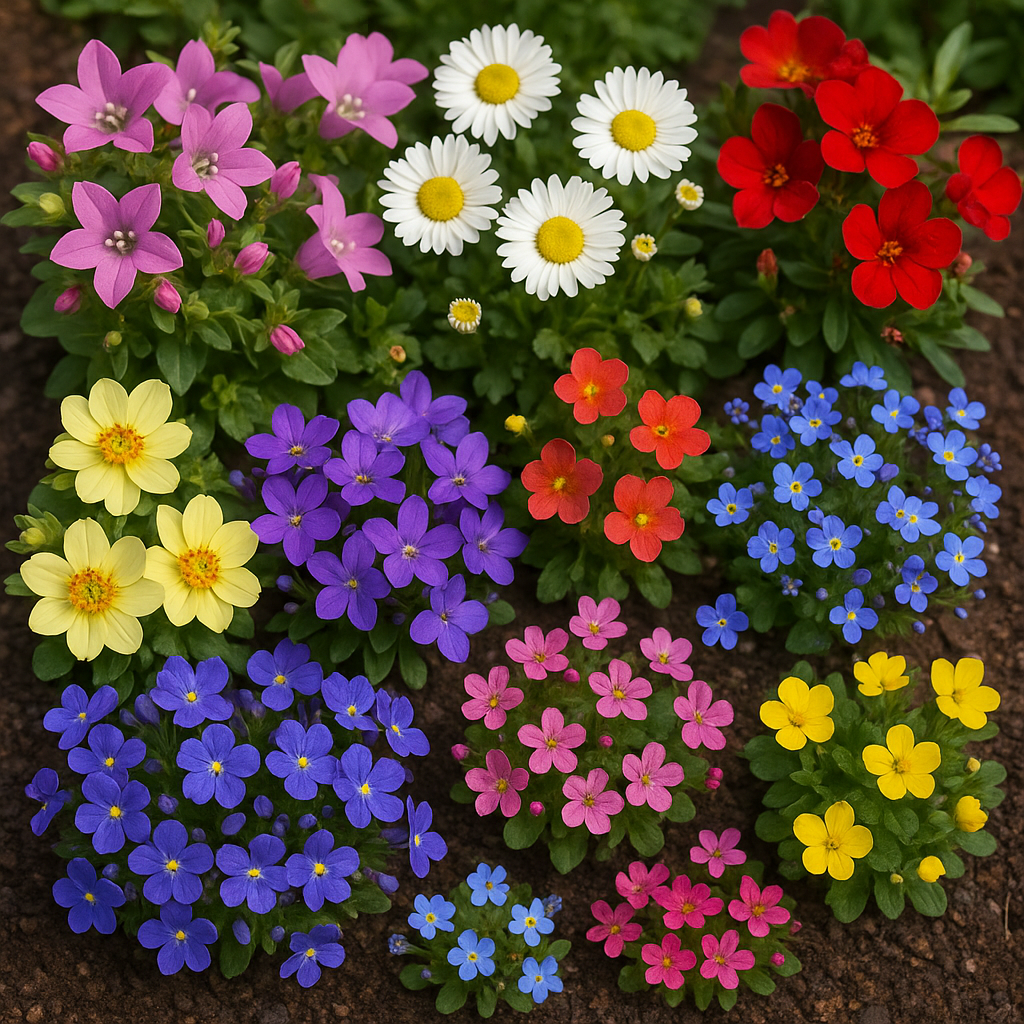
In the grand tapestry of nature, flowers stand out as brilliant bursts of color and forms that invoke awe and wonder. While towering blooms often steal the spotlight, small flowers—the delicate, intricate gems of the plant kingdom—hold their own unique charm. Not only do they add beauty to our gardens and landscapes, but they also play vital roles in ecosystems, boasting a rich history steeped in symbolism and utility. This article will explore the world of cute small flowers, answering the questions many have about their significance, varieties, care, and cultural relevance.
What Defines a Cute Small Flower?
Characteristics of Cute Small Flowers
Cute small flowers typically have:
- Size: Generally, these flowers are less than two inches in diameter. Examples include daisies, violets, and forget-me-nots.
- Design: They often feature intricate patterns, delicate petals, and charming colors that draw the eye.
- Growth Habit: Many are low-growing, making them perfect for ground cover or as edging plants in gardens.
Why Are They Considered Cute?
The term “cute” often relates to characteristics that evoke feelings of warmth and affection. In flowers, this can be attributed to:
- Petal Form: Soft, round petals connect to our sense of beauty.
- Color Palette: Soft yellows, pinks, blues, and whites create a soothing visual impact.
- Fragility: The delicate appearance of these flowers often mirrors innocence—a quality that many find endearing.
The Importance of Small Flowers
Pollinator Support
Small flowers are critical in supporting pollinators like bees, butterflies, and hummingbirds. Because of their compact size and abundant nectar, they serve as vital food sources, contributing to biodiversity.
How Do Small Flowers Attract Pollinators?
- Nectar Production: Many small flowers produce generous amounts of nectar, making them irresistible to pollinators.
- Color and Fragrance: Bright colors and sweet scents act as sirens, luring pollinators in search of food.
- Accessibility: The compact size of these flowers allows even the smallest of pollinators to easily access their resources.
Ecosystem Balance
Small flowers contribute to the overall health of ecosystems by:
- Soil Stabilization: The root systems of small flowering plants often help prevent soil erosion.
- Habitat Creation: They provide a habitat and food source for a range of other wildlife, from birds to insects.
Popular Small Flowers to Consider
1. Forget-Me-Not (Myosotis spp.)
- Description: Small clusters of starry blue flowers with yellow centers.
- Growing Conditions: Prefers moist, partially shaded areas.
- Symbolism: Often associated with true love and remembrance.
2. Creeping Phlox (Phlox subulata)
- Description: Low-growing plant that produces vibrant pink, purple, or white flowers.
- Growing Conditions: Thrives in well-drained soil and full sun.
- Uses: Ideal for rock gardens and as ground cover.
3. Pansy (Viola tricolor var. hortensis)
- Description: Known for their heart-shaped petals and wide color range, these flowers are aesthetically charming.
- Growing Conditions: They flourish in cool-weather conditions.
- Symbolism: Represents love and friendship.
4. Miniature Roses
- Description: Little versions of classic roses that pack a big punch in the fragrance department.
- Growing Conditions: Require ample sunlight and well-drained soil.
- Symbolism: Love and beauty.
5. Daisy (Bellis perennis)
- Description: Simple yet stunning white petals with a yellow center.
- Growing Conditions: Tolerant of a variety of soils, prefers full sun.
- Symbolism: Signifies purity, innocence, and new beginnings.
How to Care for Small Flowers
1. Choosing the Right Location
- Sunlight Requirements: Know whether your flowers prefer full sun, partial shade, or full shade. Most small flowers thrive in sunlight, so careful placement is vital.
2. Watering
- Frequency: Small flowers typically require a consistent moisture level, especially during their growing season. Avoid overwatering, as this can lead to root rot.
- Method: Ideally, water in the early morning to allow moisture to soak into the soil before the sun heats it.
3. Fertilization
- Type: Use a balanced, slow-release fertilizer in early spring to encourage healthy growth.
- Application: Be careful not to over-fertilize, as this can lead to weak growth and reduced flowering.
4. Pruning
- When: Regular deadheading (removing spent flowers) promotes continual blooming. Late winter or early spring is an excellent time for a more significant prune if needed.
- How: Use clean, sharp tools to prevent injuring the plant.
How to Incorporate Cute Small Flowers into Your Garden
1. Ground Cover
Using small flowers as ground cover is a fantastic way to create vibrant color while reducing weeds. Creeping phlox, for example, can beautifully blanket rocky areas.
2. Container Gardening
Cute small flowers can be ideal for container gardening—perfect for balconies or patios. Designs can incorporate a mix of colors and growth habits to create an eye-catching display.
3. Borders and Edges
Plant small flowers along the edges of flower beds or pathways. This not only enhances visual appeal but also draws the eye toward the larger, more dramatic features of the garden.
4. Wildflower Gardens
Creating a wildflower garden featuring a variety of small flowers can support local wildlife while providing a stunning, low-maintenance landscape.
Cultural Significance of Small Flowers
1. Symbolism in Literature
Throughout history, small flowers have been used in literature to evoke emotions:
- Forget-Me-Nots: Often referenced in poetry and prose to symbolize lasting affection.
- Daisies: Frequently appear in stories involving innocence and hope.
2. Folklore and Traditions
Different cultures attribute various meanings to small flowers:
- Pansy: Traditionally associated with love, it’s often given as a token of affection.
- Creeping Phlox: In Native American cultures, it symbolizes patience and endurance.
3. Celebrations and Ceremonies
From weddings to memorial services, small flowers often feature prominently due to their sweet symbolism and delicate beauty:
- Weddings: Many brides opt for small flowers in their bouquets for their charm and varied colors.
- Memorials: Forget-me-nots are often used to honor lost loved ones, resonating deeply with themes of remembrance.
Frequently Asked Questions about Cute Small Flowers
What are the easiest small flowers to grow?
Some of the easiest small flowers to grow include:
- Marigolds (Tagetes)
- Nasturtiums (Tropaeolum)
- Pansies (Viola)
These flowers are relatively pest-resistant and can thrive in various conditions.
Can small flowers attract butterflies and bees?
Absolutely! Small flowers often serve as food sources for butterflies and bees due to their nectar-rich blooms. Planting a range of small flowers can create a butterfly sanctuary in your garden.
Do small flowers have medicinal properties?
Many small flowers possess medicinal properties:
- Chamomile (Matricaria chamomilla): Known for its soothing benefits, it’s commonly used in herbal teas.
- Yarrow (Achillea millefolium): Traditionally used for its anti-inflammatory properties.
Are small flowers suitable for indoor arrangements?
Yes! Small flowers are lovely for indoor arrangements. Their delicate size allows for charming bouquets without overwhelming your space. Consider using them in small vases or mixed arrangements.
Conclusion
Although often overshadowed by their larger counterparts, cute small flowers deserve their place in the limelight. Their aesthetic appeal, ecological benefits, and deep symbolism make them essential not only for our gardens but for our hearts. Whether you’re planting a delicate cluster in your backyard or admiring a bouquet on your table, remember the richness and complexity that these small beauties bring into our lives. Their charm lies not just in their size but in their ability to inspire joy, peace, and an appreciation for the wonders of the natural world.
Embrace the enchanting world of small flowers, and let their delicate nature whisper stories of resilience, beauty, and life’s intricate connections!