
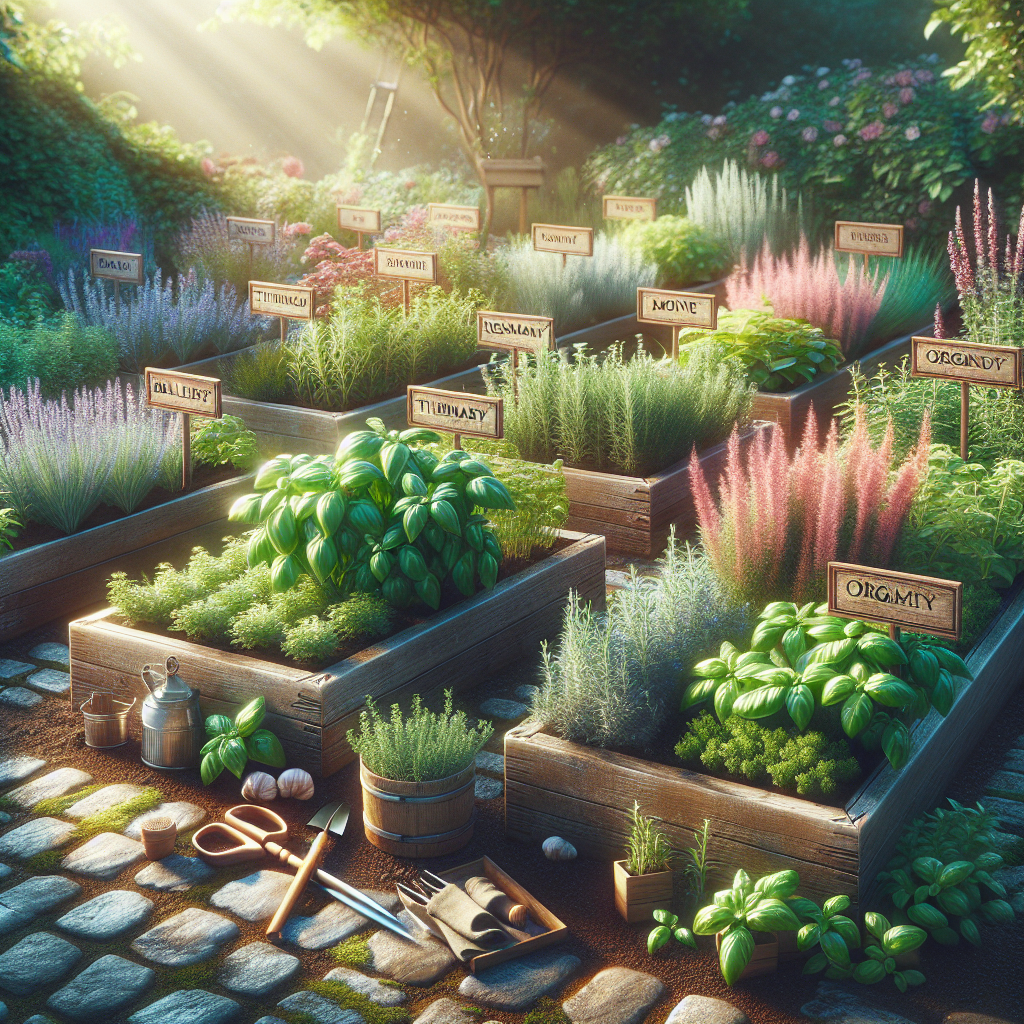
Imagine stepping out into your own garden, plucking fresh herbs to enhance your favorite dishes, and savoring the aromatic fragrances that enrich your cooking. A culinary herb garden is a delightful endeavor that merges gardening with gastronomy, providing an abundance of fresh flavors right at your fingertips. Whether you’re a novice gardener or an experienced green thumb, this guide will take you through every step of creating a lush, productive culinary herb garden that will elevate your culinary adventures.
Why Grow Culinary Herbs?
The Joy of Freshness
One of the most compelling reasons to grow your own culinary herbs is the freshness factor. Herbs lose their essential oils and flavors over time, particularly when they are dried or pre-packaged. Growing your own ensures that you’re using the most aromatic, flavorful ingredients possible.
Cost-Effectiveness
Purchasing fresh herbs from the grocery store can be surprisingly expensive, especially when cooking with various herbs for specific recipes. By growing your own, the initial investment will pay off in the long run, providing you with a continuous supply for little to no cost once your garden is established.
Nutritional Benefits
Herbs are packed with nutrients and antioxidants, contributing to overall health. For example, basil is rich in vitamins K and A, while parsley can boost your immune system. Growing herbs allows you to incorporate these health benefits into your meals effortlessly.
Sustainability
Creating a culinary herb garden is an eco-friendly choice. You can cultivate herbs without chemical fertilizers or pesticides, and growing your own significantly reduces your carbon footprint, especially when compared to store-bought options that often travel long distances to reach your table.
Selecting Your Herbs
Common Culinary Herbs and Their Uses
- Basil: An essential herb in Italian cuisine, great for pasta, salads, and pesto.
- Parsley: Versatile and used in a myriad of dishes; it also acts as a garnish.
- Cilantro: A must-have in many Asian and Latin American dishes.
- Thyme: Robust and earthy, ideal for stews, marinades, and roasted meats.
- Mint: Refreshing and fragrant, perfect for teas, salads, and desserts.
- Rosemary: Woody and aromatic, excellent for baked goods, meats, and vegetables.
- Oregano: A staple in Mediterranean cooking, perfect for pizzas and sauces.
- Chives: Mild onion flavor, perfect for soups, salads, and as a garnish.
Q: How do I choose which herbs to grow?
Choosing herbs often depends on your personal culinary preferences. Consider which herbs you frequently use in cooking or are curious to experiment with. It’s also wise to consider your local climate and growing conditions, as some herbs thrive better in certain environments than others.
Planning Your Garden
Choosing a Location
The ideal spot for your herb garden should have full sun exposure (at least 6-8 hours of direct sunlight daily) and good drainage. Consider the following options:
- Container Gardens: Ideal for small spaces, balconies, or patios. Use pots with drainage holes and enrich the soil with organic matter.
- Raised Beds: These provide excellent drainage and soil quality while making it easier to access your plants.
- In-Ground Gardens: If you have ample space, an in-ground garden can accommodate a larger variety of herbs.
Q: Can I grow herbs indoors?
Absolutely! Many culinary herbs, such as basil, parsley, and chives, thrive indoors. Make sure to place them in a sunny window or under grow lights to ensure they receive adequate light.
Designing Your Garden
When designing your herb garden, consider grouping herbs based on their watering and sunlight needs. For example, keep drought-tolerant herbs like rosemary and thyme together, while grouping moisture-loving herbs like parsley and mint in another area.
Preparing the Soil
Choosing the Right Soil
Herbs thrive in well-draining soil rich in organic material. A mix of potting soil, compost, and perlite or vermiculite often works well. Avoid heavy clay soils that trap water, leading to root rot.
Q: How do I prepare the soil?
- Test the Soil: pH should ideally be between 6.0 and 7.0. A simple soil test kit can aid in determining pH and nutrient levels.
- Amendments: Add well-rotted compost or organic fertilizers to enrich the soil. This enhances nutrient levels and improves drainage.
- Tilling: Aerate the soil by loosening it to a depth of about 8-12 inches. This encourages healthy root development.
Planting Your Herbs
Timing and Method
Most herbs can be planted in spring and summer after the danger of frost has passed. You can either start herbs from seeds or buy young plants from a nursery.
Q: What’s the best way to plant herbs from seeds?
- Sowing Seeds: Plant seeds at the depth recommended on the seed packet, often about 1/4 inch deep. Space them according to the packet guidelines to ensure they have room to grow.
- Watering: Keep the soil consistently moist but not soggy until germination, which usually occurs in 7-14 days.
Q: How about planting established plants?
- Spacing: When planting from pots, ensure there’s enough space between each herb, typically 12-18 inches.
- Transplanting: Gently remove plants from their container, being careful not to disturb the roots excessively. Place them in prepared holes and backfill with soil.
Caring for Your Herb Garden
Watering Techniques
Herbs typically require consistent moisture. The best practice is to water deeply and less frequently, allowing the top inch of soil to dry out between waterings.
Q: How do I know when to water my herbs?
- Soil Moisture: Stick your finger about an inch into the soil; if it feels dry, it’s time to water.
- Wilting Leaves: If the leaves begin to droop, it’s a sign the plant needs hydration.
Fertilization
While herbs are generally low-maintenance, a balanced organic fertilizer can be applied once or twice during the growing season to encourage growth. Use caution; too much nitrogen can lead to lush greenery but reduced flavor.
Weeding and Pest Management
Regularly inspect your herb garden for weeds, which compete for nutrients and water. Hand-pulling is often the most effective and environmentally friendly method.
As for pests, many culinary herbs can attract aphids, mites, and whiteflies. Encourage beneficial insects like ladybugs and lacewings, which feed on detrimental pests. Alternatively, neem oil or insecticidal soap can help manage infestations.
Harvesting Your Herbs
Knowing When to Harvest
Most culinary herbs can be harvested once they are established and have enough leaves for cutting. The general rule of thumb is to remove no more than one-third of the plant at a time to ensure it continues to thrive.
Q: How should I harvest herbs?
- Cutting: Use sharp, clean scissors or pruning shears to snip the stems. For herbs like basil and parsley, cut just above a leaf node to encourage bushier regrowth.
- Timing: The best time to harvest is in the morning when the oils are most concentrated.
Q: Can I dry and store my herbs?
Yes, you can dry many herbs, which extends their shelf life and allows you to enjoy your harvest long after the growing season. Hang fresh herbs upside down in a dry, dark place with good airflow until they are crispy, then store them in airtight containers.
Troubleshooting Common Issues
Q: What should I do if my herbs aren’t thriving?
Several factors can affect herb growth:
- Too Much Water: Check for soggy soil and adjust your watering schedule.
- Too Little Sunlight: If the plants appear leggy, they might be stretching for more light; consider relocating them.
- Pests or Disease: Inspect your plants regularly for any signs of trouble. Immediate action can prevent significant loss.
Q: What about winter care?
In colder climates, herbs like mint and thyme may survive winters outdoors. However, tender herbs like basil need to be brought indoors or grown in pots that can be moved inside. Alternatively, consider overwintering flattened Garden beds with a layer of mulch or frost cloth.
Additional Tips for Herb Garden Success
- Companion Planting: Some herbs, like basil, thrive next to tomatoes, offering pest deterrence and maximizing space.
- Crop Rotation: Each year, rotate your herbs to ensure nutrient balance and minimize disease buildup.
- Experiment: Don’t be afraid to try unusual herbs you may not frequently use. Culinary herbs like salad burnet or lemon balm can provide unique flavors to your dishes.
- Follow Your Nose: Always choose healthy plants by observing their fragrance and leaf texture. Fresh, vibrant herbs will enhance your cooking experience.
Conclusion
Creating a culinary herb garden is a rewarding experience that offers a variety of flavors, health benefits, and a deeper connection to your food. As you nurture your plants, you cultivate not just herbs but also a love for gardening and cooking. Whether you maintain a small patch in your backyard or an array of pots on your balcony, the joy of harvesting your own herbs to elevate every meal will always be the true flourishing mark of your endeavor. Gather your tools, pick your favorite varieties, and embark on this flavorful journey. Your culinary creations will never be the same!