
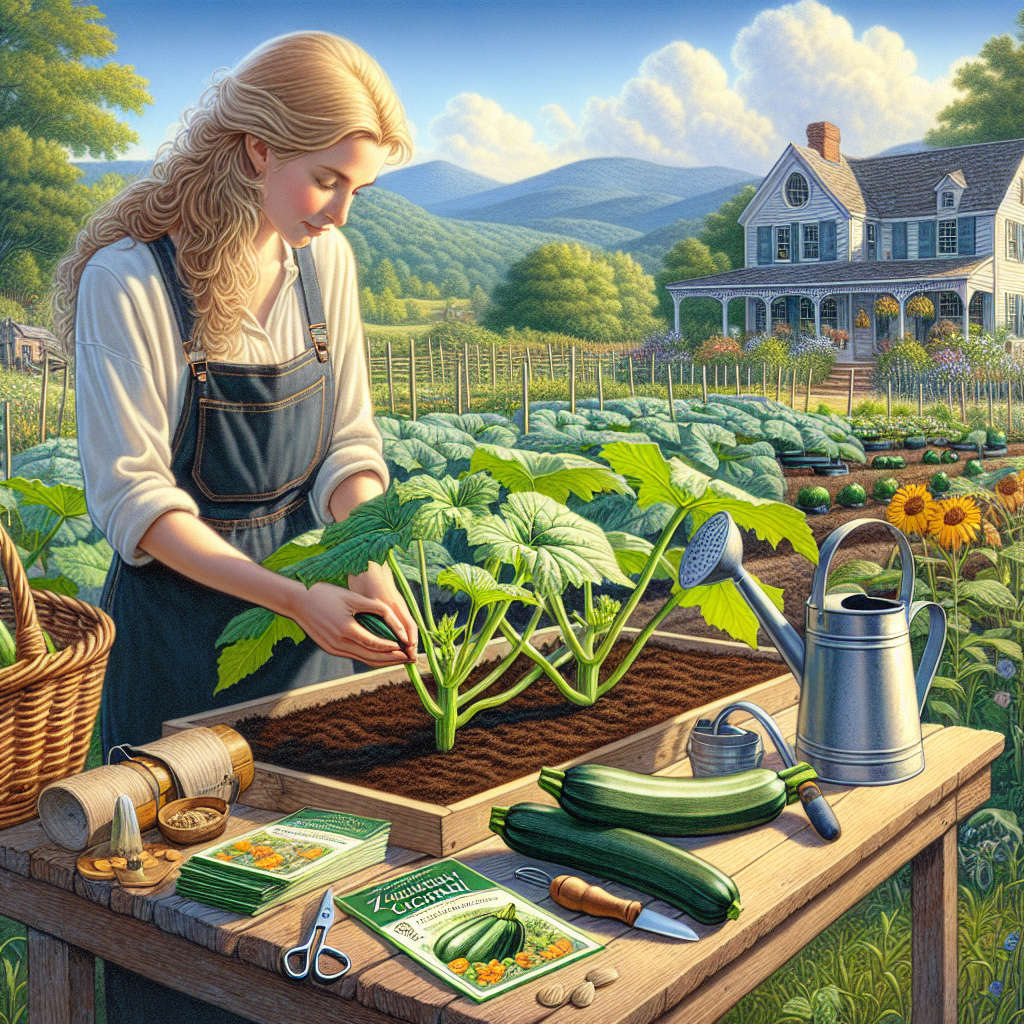
Zucchini (Cucurbita pepo), a versatile summer squash, is a favorite among gardeners due to its ease of growth and rapid yields. With its delectable flavor and myriad culinary uses, it’s no surprise that zucchini is a popular choice in Virginia gardens. However, successfully growing zucchini requires a solid understanding of when to plant, alongside favorable conditions. In this article, we’ll explore in-depth the optimal times for planting zucchini in Virginia, variations across different regions, and useful tips to maximize your harvest.
Understanding Zucchini Growth Requirements
Before diving into planting schedules, let’s first understand the optimal growing conditions for zucchini. Zucchini thrives in warm weather and needs:
- Soil Temperature: The ideal soil temperature for planting zucchini is between 70°F to 95°F. Planting at this temperature ensures that seeds germinate efficiently.
- Sunlight: Zucchini plants love the sun! Ideally, they require full sun, which is about 6-8 hours of direct sunlight per day.
- Soil Type: Well-drained, loamy soil enriched with organic matter creates an optimal growth environment. This allows for successful moisture retention and nutrient distribution.
Understanding these parameters will help ensure your zucchini grows healthy and bountiful.
When to Plant Zucchini in Virginia
1. Planting Dates: A Breakdown by Region
Virginia has diverse climatic regions, which affects the planting schedule:
-
Northern Virginia: The growing season is shorter, with the last frost typically occurring around mid-April to late April. Zucchini is best planted outdoors after the last frost date, making late April to early May ideal.
-
Central Virginia: This region has a slightly longer growing season. The last frost generally falls around late April. Gardeners can start planting zucchini outdoors in early to mid-May.
-
Southern Virginia: Southern Virginia enjoys a more extended growing season, with warmer temperatures arriving earlier. The last frost usually occurs in early to mid-April, making early to mid-April a suitable time for planting zucchini.
2. Seeding Indoors versus Direct Sowing
-
Indoor Planting: If you prefer to get a head start, you can seed zucchini indoors about 3-4 weeks before your last expected frost date. For Northern Virginia, this means starting seeds in mid-March. Use biodegradable pots or seed trays filled with potting mix and ensure they are kept in a warm, sunny location.
-
Direct Sowing: After the last frost date, you can directly sow seeds in prepared garden beds or containers. Monitor soil temperature; if it’s consistently above 70°F, it’s time to sow.
Frequently Asked Questions
3. How Deep Should Zucchini Seeds Be Planted?
Zucchini seeds should be planted about 1 inch deep in the soil. If you are direct sowing, make a small hole, place the seed in, and cover it lightly with soil.
4. How Far Apart Should I Space Zucchini Plants?
Zucchini plants require ample space to grow. When planting seeds directly, space them about 2 feet apart in rows spaced at least 3-4 feet apart. If planting in mounds, sow 3-4 seeds in a mound 36 inches apart.
5. Can I Start Zucchini from Transplants?
Yes, zucchini can be started from transplants. If you start seeds indoors, you can transplant them into your garden once they are 4-6 inches tall and all risks of frost have passed. Always harden off your plants gradually by exposing them to outdoor conditions.
Ideal Growing Conditions
6. Soil Preparation and Enrichment
Healthy soil is vital for a thriving zucchini crop. Here’s how to prepare your soil:
-
pH Level: Zucchini thrives in soil with a pH level between 6.0 and 7.5. Test your soil using a home soil testing kit to ensure it’s in this range.
-
Organic Matter: Enrich the soil by mixing in compost or aged manure. This adds nutrients and improves drainage, enhancing the overall health of your plants.
-
Drainage: Ensure proper drainage to prevent root rot. If your soil retains too much moisture, consider building raised beds.
7. Watering Techniques
When it comes to watering, zucchini plants tend to be thirsty, especially as they grow. Water regularly, aiming for about 1-2 inches per week, depending on the weather. It’s best to water early in the morning or late in the afternoon to minimize evaporation. Avoid overhead watering; instead, use a soaker hose or drip irrigation to keep foliage dry and deter fungal diseases.
8. Fertilization for Optimal Growth
Zucchini benefits from a balanced fertilizer during its growing phase. Apply a slow-release fertilizer at the time of planting, followed by a nitrogen-rich fertilizer every few weeks as the plants begin to flower and form fruit.
Pest Control and Disease Management
9. Common Pests Associated with Zucchini
Zucchini faces threats from various pests, including:
-
Squash Bugs: These can be detrimental, as they suck the sap from leaves. Regularly inspect under leaves for eggs and remove them manually.
-
Cucumber Beetles: They can transmit diseases. Employ row covers early in the season to protect young plants.
10. Fungal Diseases to Watch Out For
Zucchini can fall victim to diseases like powdery mildew and downy mildew, especially in humid conditions. Improve air circulation by properly spacing your plants and avoid watering the leaves.
Regularly inspect for signs of disease, removing affected leaves promptly.
Harvesting Zucchini
11. When to Harvest
Zucchini can be harvested as soon as they reach about 6-8 inches in length, ideally within 50-70 days after planting. Young, tender zucchini often have superior flavor. Check daily to avoid letting zucchinis grow too large, which can lead to bitterness and tougher skin.
12. How to Harvest Properly
Use a sharp knife or scissors to cut the zucchini from the plant, leaving a small bit of stem attached. This helps preserve freshness and prevent damage to the plant.
Maximizing Your Zucchini Harvest
13. Companion Planting
Pairing zucchini with companion plants can deter pests and promote growth. Good companions include:
- Nasturtiums: Deter aphids and cucumber beetles.
- Corn: Provides shade and wind protection.
- Beans: Can improve nitrogen levels in the soil.
14. Successive Planting
For continuous harvests, practice successive planting. Once you’ve harvested your first round of zucchini, you can replant seeds every few weeks until the end of the season.
Frequently Asked Questions (Continued)
15. Can I Grow Zucchini in Containers?
Yes! Zucchini can be grown in containers, making it a great choice for small spaces or urban gardening. Choose a container at least 5 gallons in size and ensure it has good drainage.
16. How Do I Store Zucchini After Harvesting?
Fresh zucchini can be stored in the refrigerator for about a week. For longer storage, consider blanching and freezing them.
17. What Variety of Zucchini Should I Plant?
Some popular varieties suited to Virginia’s climate include:
- Black Beauty: A classic, easy-growing variety.
- Costata Romanesco: For a unique flavor and beautiful ribbing.
- Golden Zucchini: Offers a sweeter taste and vibrant color.
These varieties all perform well in Virginia’s climate, providing gardeners with options depending on their preferences.
Conclusion
Planting zucchini in Virginia can be a rewarding venture, leading to bountiful harvests and delightful meals. By understanding the proper timing for planting, soil preparation, and ongoing care, you can grow this nutritious vegetable with ease. Whether you’re in Northern, Central, or Southern Virginia, adhering to the guidelines outlined in this article will help ensure a successful zucchini-growing experience.
So get your hands in the soil, enjoy the beautiful Virginia seasons, and savor the homegrown taste of fresh zucchini. Happy gardening!