
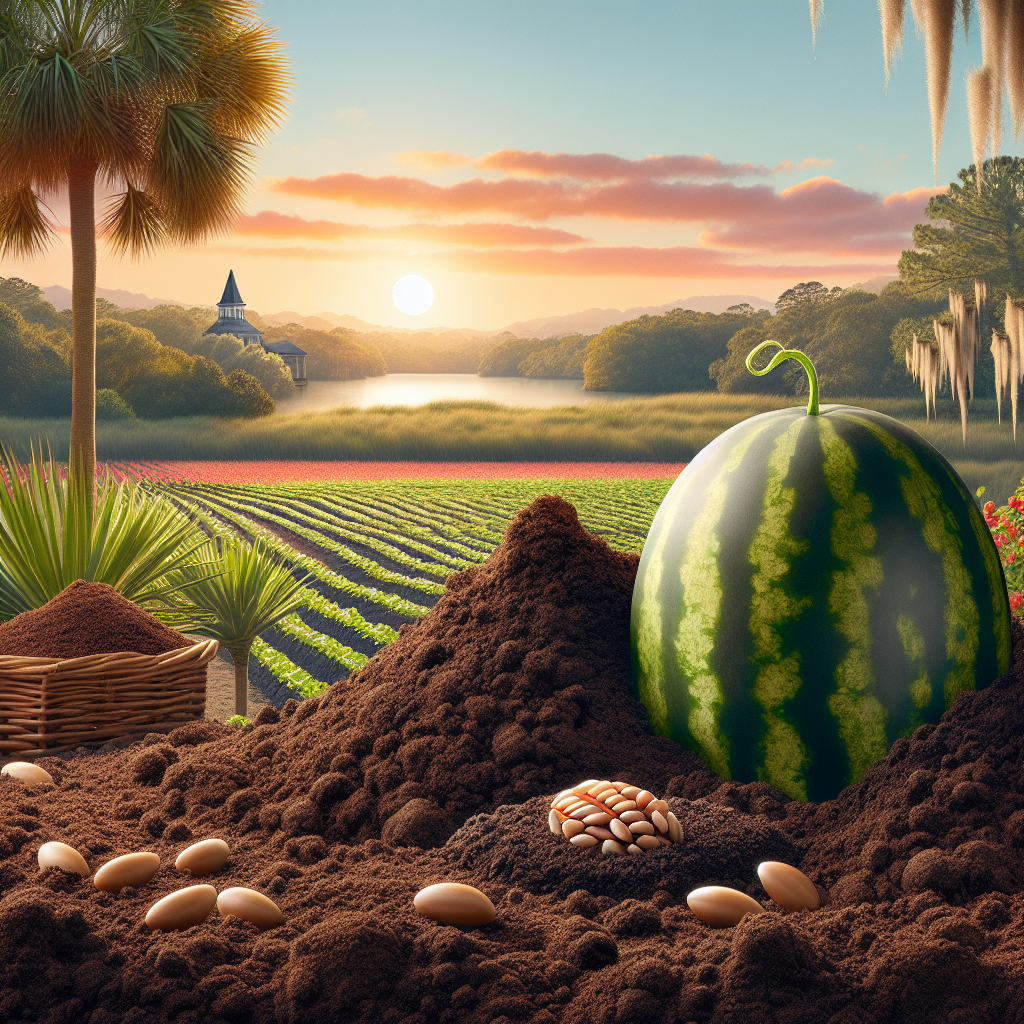
Watermelon, with its succulent flesh and vibrant green rind, is a quintessential summer fruit that brings joy and refreshment to hot days. For gardeners in South Carolina, knowing the best time to plant watermelon can significantly influence your success in growing this delicious fruit. This article will explore everything you need to know about when to plant watermelons in South Carolina, alongside answers to common questions related to the process.
Understanding Watermelon and Its Growth Cycle
Life Cycle
Watermelons (Citrullus lanatus) are warm-season crops that thrive in the heat. They typically follow a three-stage growth cycle:
- Germination: Seeds sprout when soil temperatures reach about 70°F (21°C) or higher.
- Vegetative Growth: This stage sees the establishment of leaves and stems, and it usually takes 4 to 6 weeks.
- Fruiting: Pollination occurs, leading to fruit formation. This can take an additional 2 to 3 months.
Choosing the Right Variety
In South Carolina, several varieties of watermelon flourish, including:
- Crimson Sweet: Known for its sweet flavor and bright red flesh.
- Sugar Baby: A smaller variety, perfect for those with limited space.
- Charleston Gray: Renowned for its resistance to disease and great taste.
Choosing the right variety is crucial based on your available planting time and harvest preference.
Ideal Planting Time in South Carolina
Frost-Free Dates
- Spring: In South Carolina, the last frost usually occurs between mid-April and late April, depending on your exact location—from the warmer coastal regions to the cooler upstate.
- Fall: If you plan to grow a fall crop, you might consider starting seeds indoors in late July for late summer planting.
Soil Temperature
For optimal growth, watermelons should be planted when soil temperatures consistently reach 70°F (21°C) or higher. A simple soil thermometer can help you determine when it’s warm enough.
Best Planting Months
Generally, the best months to plant watermelon in South Carolina are:
- April: Ideal for direct seeding; post-frost planting allows for ample growth before the heat peaks in summer.
- Early May: If you’re late to the game, planting in early May can still yield a productive crop as the weather warms up.
Preparing the Soil
Soil Type
Watermelons prefer well-draining sandy loam or loamy soil. The addition of organic matter, like compost, can improve soil structure and fertility.
Soil pH
The ideal pH level for watermelon is between 6.0 and 6.8. Conduct a soil test to determine pH levels, making necessary amendments to achieve an optimal environment.
Tilling and Fertilization
- Tilling: Loosen the soil to a depth of at least 12 inches.
- Fertilizing: Before planting, incorporate a balanced fertilizer with a nitrogen-phosphorus-potassium (N-P-K) ratio, such as 10-10-10.
Planting Techniques
Seed or Transplant?
While you can plant watermelon seeds directly in the garden, starting seeds indoors is a great way to secure an early start. However, transplants should ideally only be done when they are 3-4 weeks old and the risk of frost has passed.
Spacing
- Direct Seeding: Place seeds 1 inch deep, 36 to 42 inches apart in rows that are at least 6 feet apart.
- Transplants: Space plants similarly to allow proper air circulation.
Caring for Your Watermelon Plants
Once you’ve planted your watermelon, the next step involves proper care.
Watering
Watermelons require consistent moisture, especially during the fruiting stage. Drip irrigation or soaker hoses work best to maintain even moisture without wetting the foliage.
Fertilizing Schedule
Apply a nitrogen-rich fertilizer during the initial growth, but decrease nitrogen once the plants start to flower, switching to a bloom formula (higher in phosphorus and potassium) for fruit development.
Pest and Disease Management
Be on the lookout for common pests like aphids and cucumber beetles, as well as diseases such as powdery mildew. Use organic methods, like neem oil or insecticidal soap, to keep these issues at bay.
Harvesting Watermelons
When is Watermelon Ready to Harvest?
The most reliable indicators that your watermelon is ready for harvest include:
- Color Change: The underside of the fruit (the portion touching the ground) changes from white to yellow.
- Tendrils: The tendril closest to the fruit turns brown and dries out.
- Sound: When you thump the watermelon, a hollow sound indicates ripeness.
Timing of Harvest
Typically, watermelons are ready to harvest about 70 to 90 days after planting, depending on the variety.
Frequently Asked Questions
Can I Grow Watermelon in Containers?
Yes, you can grow certain varieties of watermelon in containers. Choose compact varieties like Sugar Baby and use a pot that’s at least 5 gallons in size.
Should I Use Mulch for Watermelons?
Using organic mulch can help conserve moisture and suppress weeds, contributing to a healthier growing environment. However, keep it a few inches from the base of the plant to prevent rotting.
What Should I Do if the Weather is Unusually Cool?
If late frosts threaten your young plants, use row covers to protect them. Additionally, consider starting seeds indoors for a more controlled environment.
How Much Sunlight Do Watermelons Need?
Watermelons thrive with full sun, so ensure they get at least 6 to 8 hours of direct sunlight each day.
Can I Plant Watermelon with Other Plants?
While watermelon can be grown alongside other crops, be cautious of those that compete for nutrients. Avoid planting watermelons next to squash or cucumbers, as they may attract the same pests.
Conclusion: Enjoying Your Watermelon Bounty
Planting watermelon in South Carolina can be a rewarding experience if timed appropriately and cared for diligently. With an understanding of local climate, soil conditions, and watermelon biology, you can grow luscious, sweet watermelons right in your backyard.
Whether you plan to savor them fresh, incorporate them into salads, or make refreshing slushies, the joy of enjoying your homegrown watermelon is unparalleled. Armed with this information, you can confidently embark on your watermelon-growing adventure.
Happy gardening!