
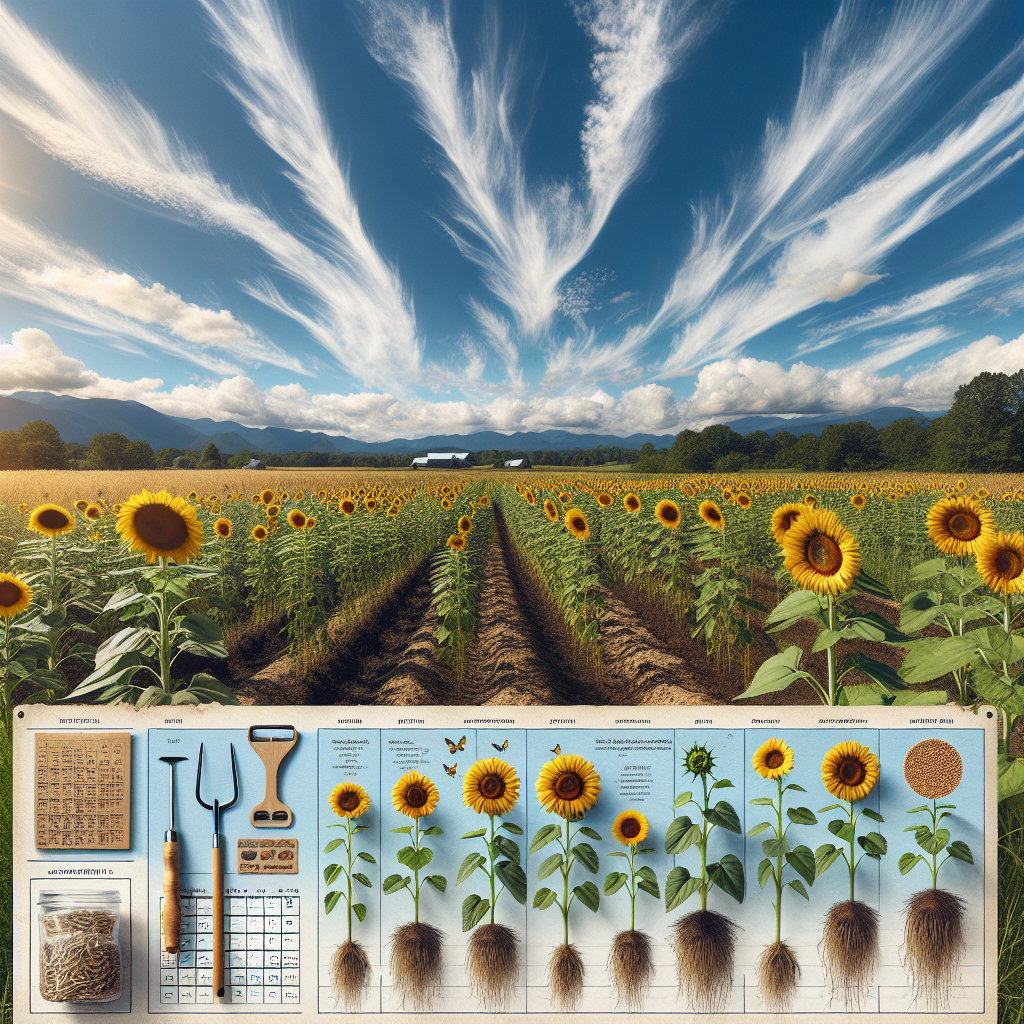
Sunflowers (Helianthus annuus) are not only a vibrant addition to any garden, but they also serve multiple purposes, from attracting pollinators to producing edible seeds. If you’re residing in South Carolina and considering and when to plant sunflowers, you’re in luck, as the state’s warm climate provides an excellent growing environment. In this guide, we’ll explore the best times for planting sunflowers in South Carolina, along with essential tips to ensure a healthy and abundant bloom.
Understanding Sunflowers
Before diving into the specifics of planting, let’s understand sunflowers and their growing requirements. Sunflowers are annual plants that typically reach their peak height during the summer months. They come in various varieties ranging from dwarf types to towering giants, with some growing upwards of 12 feet tall!
Benefits of Growing Sunflowers
Sunflowers offer numerous benefits, including:
-
Attracting Pollinators: They are excellent for attracting bees, butterflies, and other beneficial insects, which can improve the health of your entire garden.
-
Soil Improvement: Sunflowers are known to be phytoremediators—they can remove toxic elements from the soil, making them an effective option for improving soil health.
-
Edibility: The seeds of sunflowers are not only delicious but are also a healthy snack packed with nutrients.
-
Aesthetic Appeal: With their bright yellow petals and tall stature, sunflowers can add a cheerful ambiance to any garden.
-
Bird Feeder: Sunflower seeds are a favorite among many bird species, making them a great addition to your backyard habitat.
Ideal Growing Conditions for Sunflowers
Sunflowers thrive in full sunlight, so it’s crucial to choose the right location. They require:
- Sunlight: A minimum of six hours of direct sunlight each day is vital.
- Soil: Well-drained, fertile soil enriched with organic matter is ideal. A pH between 6.0 and 7.5 is best.
- Water: Consistent moisture is essential, especially during the germination period.
When to Plant Sunflowers in South Carolina
What is the Best Time to Plant Sunflowers in South Carolina?
In South Carolina, the optimal time to plant sunflowers varies slightly depending on your specific location within the state, as the warm climate of the Lowcountry differs from the cooler upstate regions. Generally, you should consider the following:
-
Planting Season: The best time to plant sunflowers in South Carolina is between early March and late April. This timeframe ensures that you are planting after the last frost and into the warm growing season.
-
Last Frost Dates: In Southern South Carolina (Charleston area), the last frost date typically occurs around mid-early March, while in the Upstate (Greenville area), it may occur later, around late March to early April.
How Do I Know When to Plant?
-
Check Your Local Frost Dates: Use USDA hardiness zone maps or local gardening resources to get the specific last frost date for your area.
-
Soil Temperature: Sunflower seeds germinate best at soil temperatures between 70°F and 85°F (21°C to 29°C). Use a soil thermometer to check. You can plant once the soil temperature consistently reaches 65°F (18°C) or higher.
-
Weather Monitoring: Keep an eye on weather forecasts. If there’s an unexpected cold snap, wait a few more days before planting.
Can I Plant Sunflowers in Different Seasons?
While sunflowers are primarily grown in spring, many varieties can also be planted in late summer for a fall harvest. In South Carolina, you can consider planting:
-
Spring Planting: As previously mentioned, between early March and late April.
-
Late Summer Planting: You can also plant mid-summer sunflowers (from late June to early July) for blooms in late summer to early fall. This is particularly suitable for shorter varieties.
Preparing for Planting
What Steps Should I Follow When Planting Sunflowers?
-
Choose the Right Location: Select a site that receives full sun.
-
Prepare the Soil: Loosen the soil to a depth of 12-18 inches. Mix in compost or well-rotted manure to boost nutrient levels.
-
Planting Depth: Sunflower seeds should be sown at a depth of 1 to 2 inches. Space seeds about 6 inches apart for optimal growth.
-
Watering: Water the seeds thoroughly after planting. Avoid overwatering, as soggy soil can cause seed rot.
-
Mulching: Consider applying a light layer of mulch to retain moisture and suppress weeds.
Frequently Asked Questions (FAQs)
How Long Does It Take for Sunflowers to Grow?
Typically, sunflowers will take anywhere from 70 to 100 days to reach full maturity, depending on the variety. Dwarf types can bloom faster at around 70 days, while giant types may take up to 100 days.
What Are the Best Varieties of Sunflowers to Plant in South Carolina?
-
Mammoth Sunflower: These classic giants can grow 10-12 feet tall and produce large heads filled with seeds.
-
Autumn Beauty: A mix of colors ranging from yellow to red, these sunflowers look stunning in flower arrangements.
-
Lemon Queen: These are slightly shorter and perfect for bird gardens, attracting a range of pollinators.
-
Teddy Bear: A dwarf variety, great for containers and with fluffy double blooms. Ideal if you have limited space.
How Much Water Do Sunflowers Need?
Sunflowers generally require about 1 inch of water per week. When they are young, ensure they have consistent moisture. However, mature sunflowers are quite drought-tolerant.
Should I Fertilize My Sunflowers?
When planting in nutrient-rich soil, additional fertilization may not be necessary. However, if your soil lacks nutrients, you could use a balanced fertilizer at the time of planting and again when they reach about 12-18 inches tall.
How Do I Protect My Sunflowers from Pests?
Common pests include aphids, squirrels, and various beetles. Consider natural pest control methods, such as:
-
Companion Planting: Plant herbs like basil or marigolds nearby, which can deter pests.
-
Row Covers: Use lightweight fabric covers until the plants are established to protect from pests.
-
Neem Oil: A natural pesticide that is effective against many soft-bodied insects.
How Do I Harvest Sunflower Seeds?
If you intend to collect seeds, wait until the back of the sunflower head turns brown, and the seeds feel hard. Cut the head off, leaving a few inches of stem attached, and hang it upside down in a cool, dry place until fully dry. Once dried, gently rub the seeds out and store them in a cool, dry location.
Conclusion
Growing sunflowers in South Carolina can be a rewarding experience, enhancing your garden with color, attracting wildlife, and even providing you with nutritious seeds. The key is to plant during the correct timeframe, following all proper planting techniques, and ensuring your sunflowers receive the care they need.
Let this guide serve as your roadmap for successful sunflower cultivation. Whether you’re an experienced gardener or new to the green scene, planting sunflowers is an enjoyable and fulfilling project that connects you with nature and adds beauty to your surroundings. So grab some seeds, prepare your garden, and enjoy the bright, uplifting vibes that sunflowers bring!