
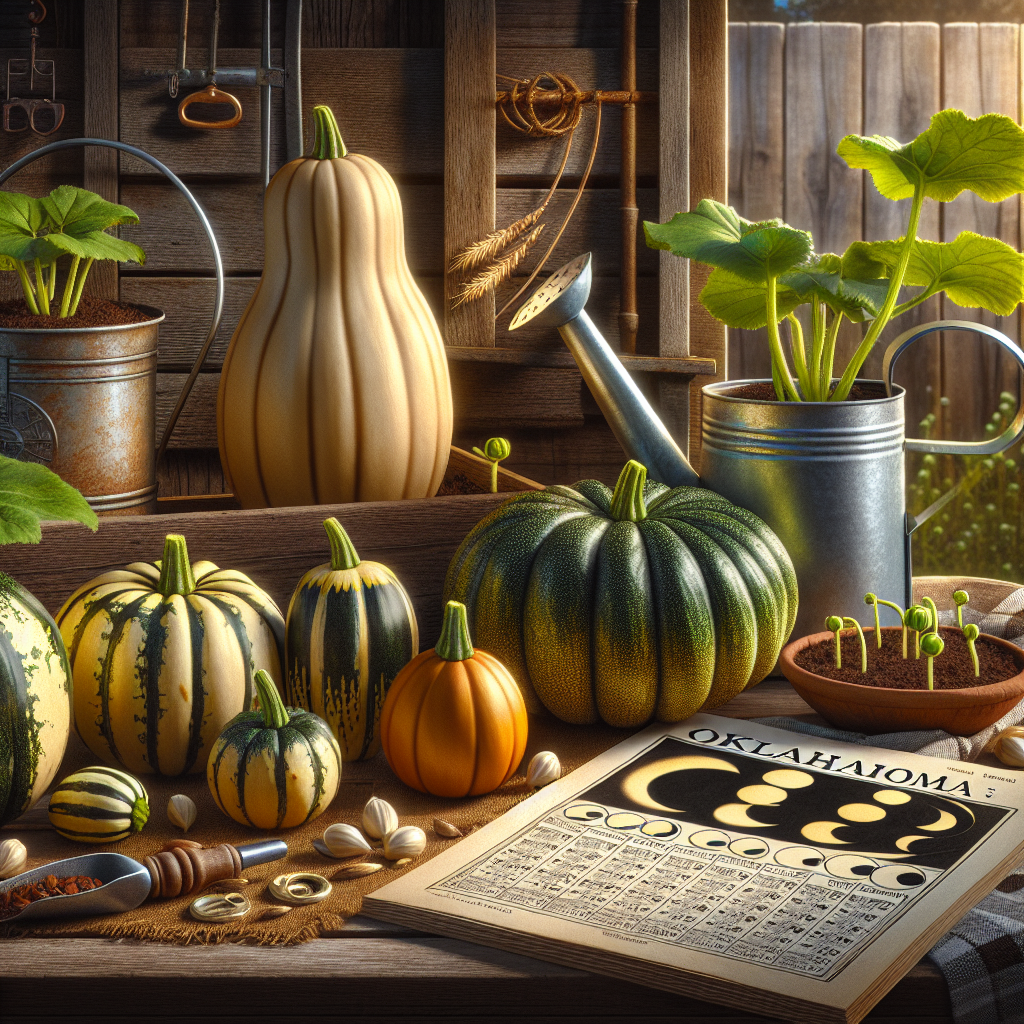
Growing squash can be a rewarding venture for gardeners in Oklahoma, where the climate is diverse and rich in nutrients. Whether you’re a seasoned gardener or a beginner, understanding the best times to plant squash can make all the difference in your harvest. This article delves into the most important aspects of squash planting, including types, ideal planting times, care tips, and much more.
Understanding Squash
What is Squash?
Squash is a member of the Cucurbitaceae family and is broadly divided into two main categories: summer squash and winter squash.
-
Summer Squash: Varieties like zucchini, yellow squash, and pattypan are known for their soft skins and tender flesh. They are typically harvested when immature and are ideal for quick meals.
-
Winter Squash: Varieties like butternut, acorn, and spaghetti squash have hard skins and are harvested when mature. They store well and can be used in various winter dishes.
Why Squash?
Squash is not just delicious; it’s also packed with vitamins A and C, fiber, and antioxidants. It can be prepared in countless ways, making it a versatile addition to your garden and kitchen.
Climate and Soil Considerations in Oklahoma
Oklahoma is known for its varied climate, which can be a challenge or a boon for gardeners depending on the season. The state experiences hot summers and cold winters, with an average growing season ranging from about 180 to 210 days, depending on the specific region.
Ideal Soil Conditions
-
Soil pH: Squash prefers a neutral to slightly acidic soil (pH 6.0 – 6.8).
-
Soil Type: Loamy, well-draining soil enriched with organic matter is ideal for squash. Compacted or clay-heavy soils can hinder root development and water drainage.
-
Soil Temperature: Squash seeds germinate best when the soil temperature is consistently above 60°F.
When to Plant Squash in Oklahoma
General Timing
In Oklahoma, the best time to plant squash varies by region:
- Northern Oklahoma: Ideal planting time is typically from late May to early June.
- Central Oklahoma: Mid-May to early June is best for summer varieties.
- Southern Oklahoma: You can start as early as mid-April.
Frost Dates
Understanding the last frost date is crucial. The average last frost date in Oklahoma typically ranges from early April to late April, though this can vary from year to year.
- Frost-Free Zone: It’s important to wait until all danger of frost has passed before planting squash outdoors. Use local gardening resources or frost calculators to determine your last frost date accurately.
Planting Calendar for Squash
| Region | Average Last Frost | Planting Window for Summer Squash | Planting Window for Winter Squash |
|---|---|---|---|
| Northern OK | Early to Late April | Late May to Early June | Late June to Early July |
| Central OK | Mid to Late April | Mid-May to Early June | Late June to Early July |
| Southern OK | Early April | Mid-April to Early June | Late May to Early June |
Should I Start Seeds Indoors or Outdoors?
For gardeners in Oklahoma, starting squash seeds indoors can provide a head start, especially in northern regions where the growing season is shorter.
-
Indoor Planting: Start seeds indoors about 4 to 6 weeks before the last expected frost date. Transplant seedlings outdoors once they are hardened off and the temperatures are consistently warm.
-
Outdoor Planting: Direct sowing can also be successful. Make sure the soil temperature is warm enough (at least 60°F) and that all chance of frost is past.
Preparing for Planting
Soil Preparation
-
Testing Soil: Before planting, conduct a soil test to check pH and nutrient levels. You can obtain a testing kit from local extension offices or gardening centers.
-
Amending Soil: Based on soil test results, you may need to amend your soil. Consider adding compost or well-rotted manure.
-
Tilling: Break up the soil and ensure it’s loose enough for roots to penetrate easily.
Selecting Varieties
Different squash varieties thrive differently in Oklahoma’s climate. Some popular varieties that perform well include:
- Summer Squash: ‘Black Beauty Zucchini’, ‘Straightneck Yellow’, ‘Patty Pan’
- Winter Squash: ‘Butternut’, ‘Acorn’, ‘Blue Hubbard’
Care After Planting
Once your squash seeds are planted, the following care guidelines will help ensure a successful harvest.
Watering
-
Initial Watering: Water thoroughly after planting to ensure good seed-to-soil contact.
-
Consistency: Squash plants need consistent moisture but don’t like soggy soil. Water at the base of the plant to avoid fungal diseases.
-
Mulching: Apply mulch to retain moisture and suppress weeds.
Fertilizing
When your squash plants are about 6 inches tall, consider side-dressing them with a balanced fertilizer. An NPK ratio of 5-10-10 is generally good for squash.
Pest and Disease Management
Be vigilant for common pests and diseases that can affect squash:
-
Pests: Look out for squash bugs, cucumber beetles, and aphids. Handpick larger pests and consider using insecticidal soap for smaller infestations.
-
Fungal Diseases: Ensure proper spacing for air circulation and practice crop rotation to minimize diseases such as powdery mildew and downy mildew.
Pruning and Supporting
Depending on the variety, you may want to prune your squash plants to encourage air circulation and sunlight penetration. Certain types of squash, like winter squash, may also need supports as they grow.
Harvesting Squash
When to Harvest Summer Squash
- Timing: Summer squash is typically ready to harvest 50-70 days after planting.
- Indicators: Look for a firm skin and a bright, glossy appearance. They should be about 6-8 inches long.
When to Harvest Winter Squash
- Timing: Winter squash generally takes 80-120 days to mature.
- Indicators: The skin should be hard, and the color should be vivid, with the stem beginning to dry out.
Tips for Harvesting
- Harvest in the Morning: This helps preserve freshness.
- Use a Sharp Knife or Pruner: Cut the stem to avoid damaging the plant.
- Leave a Portion of the Stem: This helps prolong the storage life of the squash.
Frequently Asked Questions
1. Can I grow squash in containers?
Absolutely! Choose a container that is at least 5 gallons in size with adequate drainage holes. Make sure to use a high-quality potting mix and keep the container watered consistently.
2. Should I plant squash with other crops?
Squash can benefit from companion planting. Good companions include corn and beans, which can help with pests. Avoid planting squash near other cucurbits to minimize disease and pest issues.
3. What should I do if I miss the ideal planting window?
If you miss the ideal planting window, you can still plant in late summer, particularly in southern Oklahoma. Just be mindful that cooler temperatures may affect growth and yield.
4. How do I store squash once harvested?
Store summer squash in the refrigerator and consume it within a week for optimal freshness. Winter squash should be stored in a cool, dry place and can last for several months.
5. What are some recipes I can try with my squash?
Squash can be used in countless recipes. Here are a few ideas:
- Grilled zucchini with olive oil and garlic
- Ratatouille featuring summer squash
- Butternut squash soup
- Stuffed acorn squash with quinoa and vegetables
Conclusion
Growing squash in Oklahoma can be a fulfilling gardening experience, provided you pay attention to the unique conditions of your region. From understanding when to plant to learning how to care for your plants, this comprehensive guide sets you up for success.
By selecting the right varieties, preparing your soil adequately, and providing consistent care, you can enjoy a plentiful harvest of squash that enhances your meals all season long. As you dig in and enjoy the fruits of your labor, you’ll likely find that the effort you put into planting and caring for squash is well worth the delicious results!
Happy gardening!