
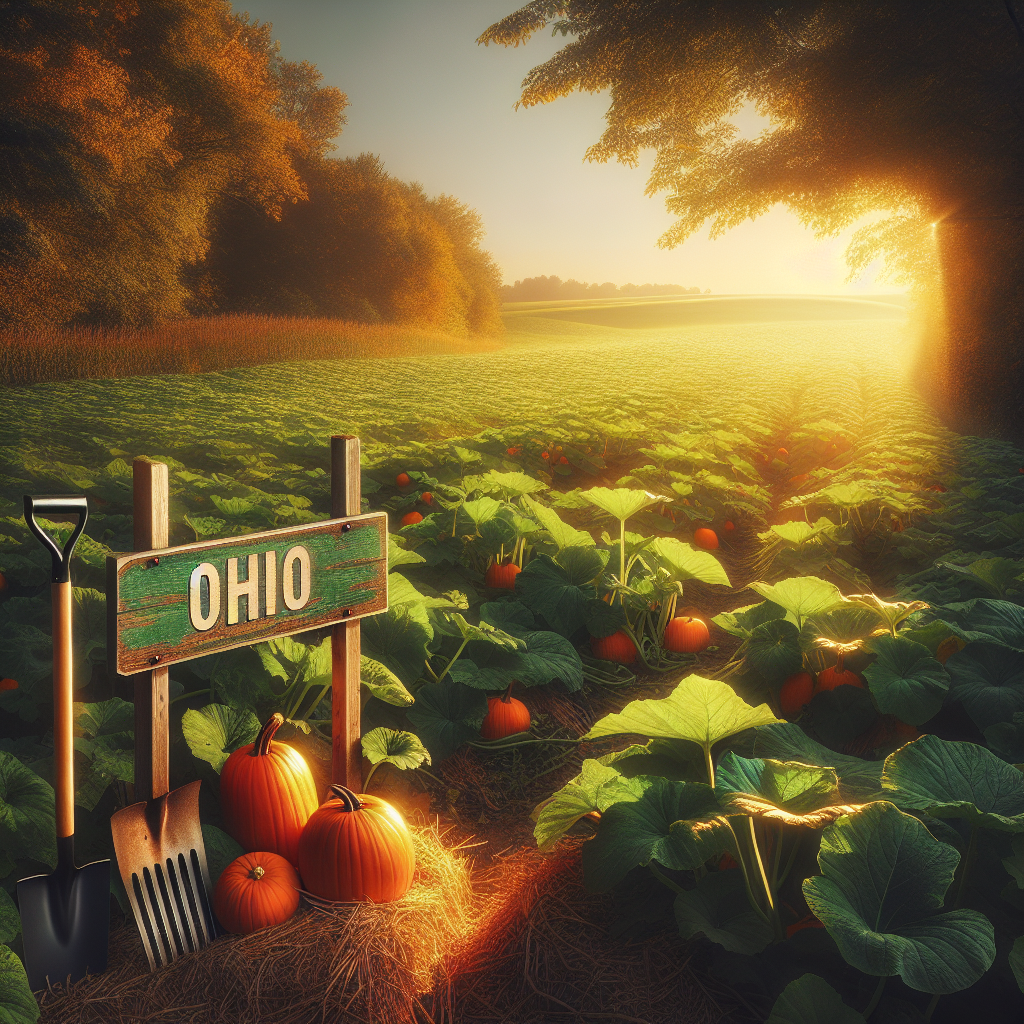
Growing pumpkins is an increasingly popular endeavor across Ohio, especially during the vibrant autumn months when pumpkin patches adorn the landscape and colorful displays make their way into homes and businesses. Whether you’re looking to cultivate a field full of jack-o’-lantern adornments or just a couple of decorative gourds for your front porch, understanding when and how to plant pumpkins is key to a successful harvest.
This comprehensive guide will delve deep into all aspects of planting pumpkins in Ohio, including essential timing, helpful tips, and expert insights to ensure that your pumpkin-growing adventure is rewarding and fruitful.
Why Pumpkins?
Before we dive in, it’s worth noting why pumpkins have gained such popularity across Ohio. These beautiful fruits are not just festive; they’re also versatile. Pumpkins can be transformed into savory soups, sweet pies, and even used as ingredient blends for various dishes. Additionally, their vibrant hues make them a favorite for home décor, and they have cultural significance during Halloween and Thanksgiving.
Understanding Ohio’s Climate
Ohio experiences a temperate climate with distinct seasons. Understanding the nuances of Ohio’s climate is critical for successful pumpkin cultivation.
-
Growing Season Length: Ohio typically has a growing season that lasts about 150-200 days, which is crucial when planning your planting schedule.
-
Frost Dates: Frost can occur as early as late September or as late as early May. Knowing the average frost dates in your specific area will help determine safe planting times.
- Average Last Frost Date: For southern Ohio, the last frost date falls around mid-April. In northern Ohio, it can be a bit later, pushing into late April.
- Average First Frost Date: The first hard frost usually occurs around mid-October.
Knowing these dates helps you navigate when to plant your pumpkins and when to expect potential frost risks.
The Best Time to Plant Pumpkins in Ohio
The optimal time to plant pumpkins in Ohio is between May 15 and June 15. This timeframe allows seedlings to benefit from warm soil and ample sunlight.
Breaking It Down by Regions
-
Southern Ohio: Here, planting can commence a little earlier, around mid to late April, as temperatures tend to warm sooner.
-
Central Ohio: Mid-May is generally a safe bet, allowing for adequate soil warmth.
-
Northern Ohio: Aim for late May to early June to avoid the risk of lingering cold temperatures.
Why Such Timing?
-
Soil Temperature: Pumpkins thrive in warm soil (ideally between 70°F to 95°F). Planting when the soil is warm minimizes the risk of disease and encourages rapid germination.
-
Photosynthesis: Longer days in summer provide the essential light needed for robust plant growth.
-
Optimal Growth Period: Planting too late in the season can lead to immature pumpkins by frost.
Key Considerations Before Planting
Before you grab your seeds and head to the garden, here are some essential considerations:
1. Choosing the Right Variety
Ohio farmers and home gardeners have a slew of pumpkin varieties to choose from, and your choice can influence your harvest:
-
For Carving (Jack-o’-lanterns): Varieties like ‘Howden’ and ‘Autumn Gold’ are popular choices due to their classic shape and sturdy skin.
-
For Cooking (Puree): ‘Sugar Pie’ and ‘Cinderella’ pumpkins are excellent for pies and other recipes.
-
For Decoration: If you’re looking for unique visual appeal, consider ‘White King’ or the ‘Knucklehead’ variety.
2. Soil Preparation
Pumpkins prefer well-draining, nutrient-rich soil. Here’s how you can prepare:
-
Testing Soil: Get a soil test through your local extension service to determine pH and nutrient levels. Pumpkins thrive in a slightly acidic to neutral pH (around 6.0 to 7.0).
-
Enriching the Soil: Incorporate organic matter such as compost or well-rotted manure into the soil. This boosts nutrient density and encourages healthy growth.
3. Site Selection
Choose a sunny, sheltered location. Pumpkins require full sun, and they perform best with at least 6-8 hours of sunlight daily.
4. Water Requirements
Pumpkins are thirsty plants, needing at least an inch of water per week. Regular, consistent moisture drives growth, particularly during flowering and fruit set.
5. Spacing and Planting Technique
-
Spacing Guidelines: Pumpkin plants can grow large, so ensure to space your plants adequately—approximately 24-36 inches apart.
-
Planting Technique: Plant seeds 1-2 inches deep, using good-quality seeds that are disease-resistant.
Frequently Asked Questions (FAQs)
Q1: How Many Seeds Should I Plant?
When planting, aim for 2-3 seeds per mound. Once they sprout, thin them out to one strong seedling per mound to ensure optimal growth.
Q2: Should I Start Seeds Indoors?
Starting seeds indoors is possible, especially in northern regions. However, be cautious not to transplant seedlings until the outdoor soil temperature is warm enough (at least 70°F) to avoid shock.
Q3: How Do I Know If My Pumpkins Are Ready for Harvest?
Pumpkins are typically ready to harvest in late September to early October. You can tell by checking:
- The color: The skin should be fully colored, depending on the variety.
- The stem: Dried and hard stems indicate ripeness.
- The sound: When you tap the pumpkin, a hollow sound often indicates it’s ready.
Q4: What Pests and Diseases Should I Watch For?
Common issues in Ohio can include:
-
Pests: Squash bugs, aphids, and cucumber beetles are common threats. Implement preventative measures such as crop rotation and companion planting.
-
Diseases: Fungal diseases like powdery mildew or downy mildew can pose problems. Ensure good air circulation around your plants and use resistant varieties when possible.
Caring for Your Pumpkins
After planting, it’s essential to care for your pumpkins effectively to ensure a fruitful harvest:
1. Weed Control
Weeds can compete for water and nutrients. A layer of organic mulch can help suppress weeds while also retaining soil moisture.
2. Fertilization
Apply a balanced fertilizer after the seedlings have established themselves. A fertilizer with a higher phosphorus (the ‘middle number’ in nutrient ratios) content is good during the seedling stage, while an increased potassium level is useful as the fruit starts to form.
3. Pollination
Pumpkins are typically pollinated by bees, so a thriving pollinator habitat nearby can significantly enhance fruit set. If pollination is insufficient, consider hand pollinating by transferring pollen from male flowers to female flowers.
4. Watering Techniques
Use drip irrigation, if possible, as it minimizes fungal diseases by keeping leaves dry. Water consistently but avoid over-saturation, as this can lead to rot.
5. Harvest Timing
The best time to harvest your pumpkins is when they have reached their full color, and their skins have hardened. A good rule of thumb is to ensure they have spent at least 10 days on the vine after turning that perfect hue.
Conclusion
Growing pumpkins in Ohio can be an incredibly rewarding experience, and with the right knowledge about timing, preparation, and care, you’ll find yourself with a bountiful harvest just in time for the festive fall season. Planting at the correct time—between mid-April to mid-June, depending on your region—will set the stage for success.
As you embark on this pumpkin-growing journey, remember that patience and care go hand-in-hand with the satisfaction of harvesting your own pumpkins. Not only will you enjoy their beautiful presence, but you’ll also indulge in the numerous culinary delights they can offer.
So, grab your seeds, prepare your soil, and get ready to watch nature’s magic unfold! You’ll not only grow pumpkins; you’ll cultivate memories and joys that will last a lifetime. Happy planting!