
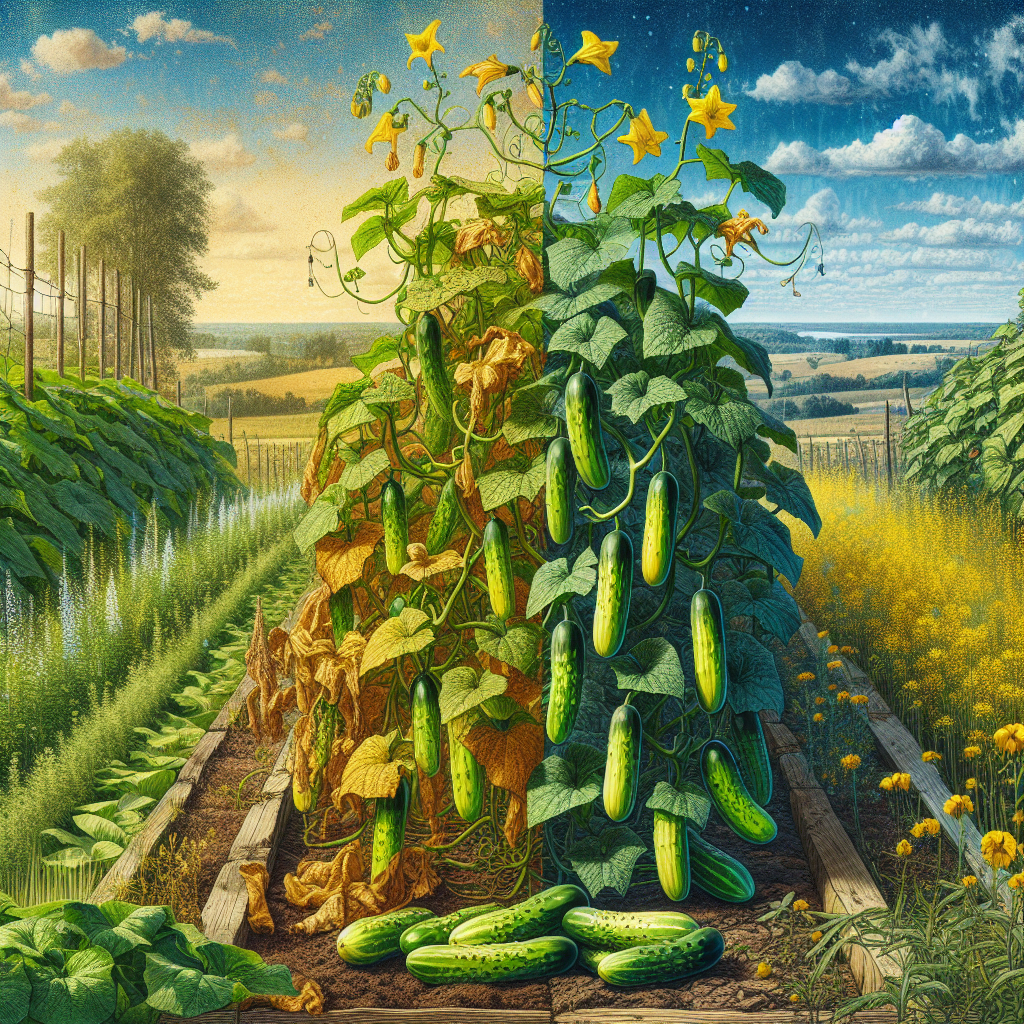
Cucumbers are a delightful addition to any garden, offering crisp refreshment on a hot summer day and serving as an excellent source of hydration and nutrients. However, growing these green beauties in Wisconsin requires understanding not just the plant but also the local climate and soil conditions. This article will serve as your complete guide to when and how to plant cucumbers in Wisconsin, offering detailed insights and answering your most pressing questions.
Understanding the Wisconsin Climate
Wisconsin’s climate is primarily classified as humid continental, characterized by cold winters and warm, humid summers. This region experiences four distinct seasons, with the growing season typically lasting from late April through mid-October. Understanding these seasonal shifts will greatly impact your planting schedule for cucumbers.
1. What Are Ideal Conditions for Growing Cucumbers?
Cucumbers thrive in warm weather, preferring soil temperatures between 70°F and 95°F. They are sensitive to frost and cold conditions, so timing your planting is crucial. In Wisconsin, the last frost usually occurs between late April and early May, depending on your specific location within the state.
Key Conditions:
- Temperature: 70°F – 95°F for soil and air
- Frost-Free Days: Aim for 50+ days after the last frost to ensure growth.
- Sunlight: Full sun is essential—at least 6-8 hours a day.
- Soil Type: Well-drained, fertile soil with a pH of 6.0-6.8.
2. When Should I Plant Cucumbers in Wisconsin?
The best time to plant cucumbers in Wisconsin is after the last frost date, typically around late May. However, here’s a general breakdown based on the different regions within Wisconsin:
-
Southern Wisconsin (e.g., Madison, Milwaukee):
- Last frost date: Around May 10-15
- Planting window: May 15-30
-
Central Wisconsin (e.g., Stevens Point, Wausau):
- Last frost date: Around May 20-25
- Planting window: May 25-June 5
-
Northern Wisconsin (e.g., Ashland, Rhinelander):
- Last frost date: Around May 30-June 10
- Planting window: June 10-15
3. Early Planting Options: Starting Indoors
For those eager to get a jump start, consider starting your cucumber seeds indoors 3-4 weeks before the last frost date. Transplant the seedlings once outdoor conditions are favorable.
Benefits of Indoor Start:
- Earlier Harvest: Seedlings started indoors can yield cucumbers in early to mid-summer.
- Controlled Environment: You can control temperature and moisture levels.
4. Choosing the Right Cucumber Varieties
Cucumbers come in many varieties, from slicing to pickling types. In Wisconsin, consider the following popular choices:
-
Slicing Varieties:
- Marketmore 76: Disease-resistant and ideal for fresh eating.
- Burpless Tasty Green: Crisp and sweet, perfect for salads.
-
Pickling Varieties:
- Boston Pickling: Great for canning, offering firm texture.
- National Pickling: Known for its bumpy skin, excellent for pickles.
5. What Soil Conditions Are Best for Cucumbers?
Cucumbers prefer well-draining soil enriched with organic matter. Here’s how you can achieve optimal soil conditions:
-
Soil Preparation:
- Testing pH: Use a soil testing kit to check soil pH. Amend with lime if too acidic.
- Adding Organic Matter: Incorporate compost or well-rotted manure to improve soil fertility.
-
Drainage: Ensure that your planting area has good drainage to prevent root rot.
6. How Deep and Far Apart Should I Plant Cucumbers?
Cucumbers require space to grow, so plan accordingly. Here’s a planting guide:
- Depth: Sow seeds 1 inch deep.
- Spacing:
- For direct planting: Space seeds 12 inches apart, in rows 36-48 inches apart.
- For transplants: Space seedlings 18-24 inches apart to allow for growth.
7. Planting Methods: Direct Seeding vs. Transplanting
Both methods have their pros and cons. Here’s a breakdown:
-
Direct Seeding:
- Pros: Less labor-intensive; cucumbers are less stressed.
- Cons: Risk of frost if seeds are planted too early.
-
Transplanting:
- Pros: Longer growing season; easier to manage seedlings indoors.
- Cons: Risk of root disturbance during transplanting.
8. Caring for Your Cucumber Plants
Once planted, cucumbers require ongoing care to thrive:
- Watering: Aim for 1-2 inches of water per week. Avoid overhead watering to prevent disease.
- Mulching: Apply organic mulches like straw or wood chips to retain moisture and suppress weeds.
- Fertilizing: Use a balanced fertilizer when the plants are about 6 inches tall and again when they begin to flower.
9. Pest and Disease Management
Cucumbers in Wisconsin face several common pests and diseases, including cucumber beetles and powdery mildew. Here’s how to manage them effectively:
- Cucumber Beetles: Use row covers to protect seedlings until they are established, or apply insecticidal soap.
- Powdery Mildew: Ensure good air circulation by spacing plants appropriately and applying fungicides if necessary.
10. When to Harvest Cucumbers
The excitement doesn’t end at planting; it culminates in the harvest. Knowing when to pick your cucumbers is key to enjoying them at their best:
- Ideal Size: Slicing varieties are typically ready when they are 6-8 inches long, while pickling cucumbers can be smaller, around 3-5 inches.
- Harvest Frequency: Check daily during the peak growing season to ensure the best quality.
11. Frequently Asked Questions
Q1: Can I plant cucumbers in August for a fall harvest?
While this is technically possible, it’s risky. Most cucumber varieties require about 50-70 days to mature. Given Wisconsin’s climate, late summer planting may not yield a successful crop before the first frost.
Q2: How do I extend the cucumber growing season?
To extend your growing season, consider using:
- Row Covers: Protecting plants while providing warmth.
- Cold Frames: An excellent option for early planting in spring or late harvesting in fall.
Q3: Can I grow cucumbers vertically?
Yes! Growing cucumbers vertically using trellises not only saves space but also enhances air circulation and reduces disease risk. Just ensure the trellis is sturdy enough to support the weight of the vines.
Q4: What companion plants go well with cucumbers?
Cucumbers thrive alongside:
- Beans: Fix nitrogen in the soil.
- Corn: Provide partial shade and support.
- Radishes: Deter cucumber pests.
Conclusion
Growing cucumbers in Wisconsin can be a fulfilling and rewarding experience when armed with the right information. From understanding the optimal planting time to selecting the best varieties and managing pests, every step is crucial for a successful harvest. By following this guide, you’re well on your way to enjoying fresh, crunchy cucumbers from your backyard garden.
Don’t forget to experiment, savor the learning process, and adapt your methods to fit your unique gardening environment. Happy planting, and may your cucumber plants flourish throughout the growing season!