
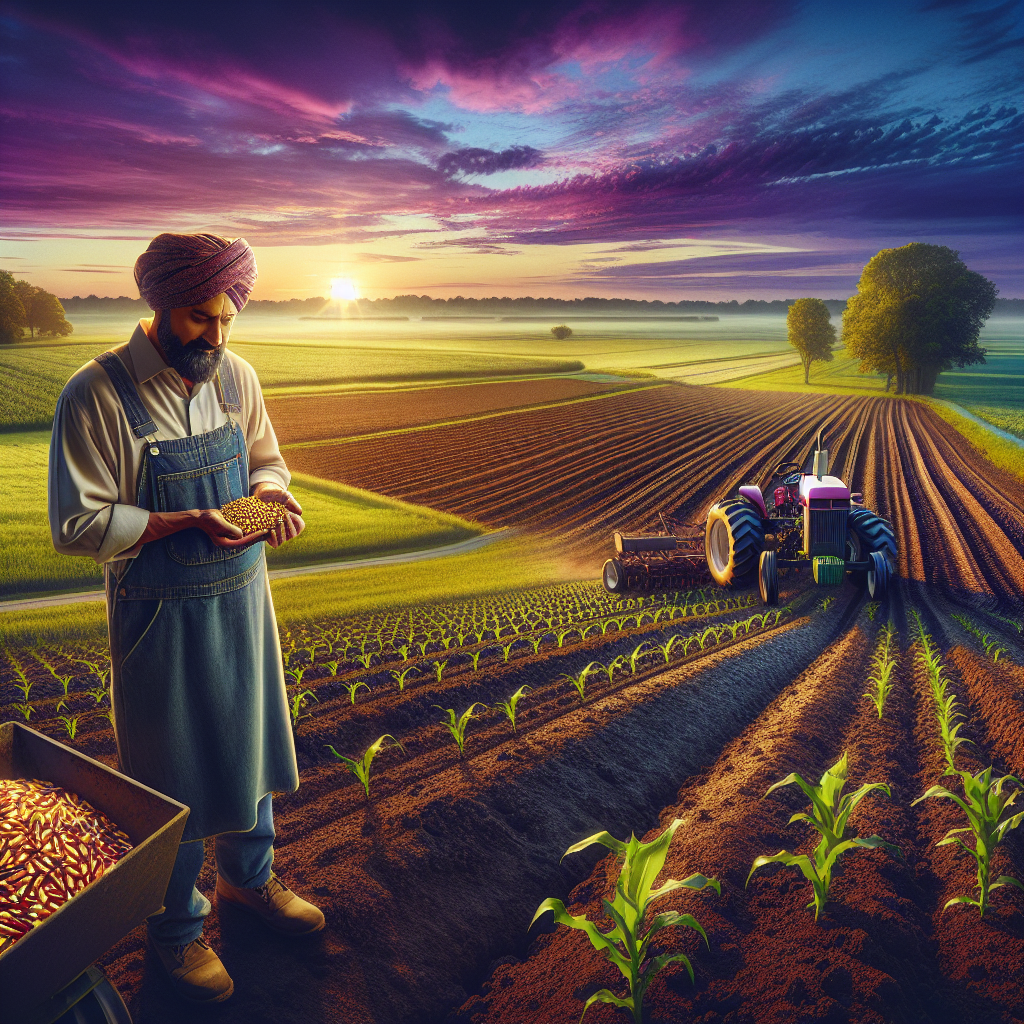
Corn, or maize (Zea mays), is a staple crop in Michigan and a keystone of the state’s agricultural economy. Its versatility ranges from food products to livestock feed and even biofuels. For farmers and aspiring agriculturalists, understanding when to plant corn can be a make-or-break decision in ensuring a successful harvest. In this in-depth article, we will explore the optimal planting times, regional factors impacting those decisions, and answer common questions about growing corn in Michigan.
Understanding Michigan’s Climate and Growing Season
Michigan’s diverse geography means its climate can vary significantly from one area to another. The state has a humid continental climate, characterized by warm summers and cold winters. Michigan’s growing season is generally shorter than in states further south, which necessitates strategic planning for crops like corn.
-
Climate Zones: Michigan is divided into several climate zones, mainly categorized as Zones 5 and 6 in the USDA Plant Hardiness Zone Map. These zones dictate what crops thrive best in a given area, including timelines for planting and harvesting.
-
Frost Dates: Knowing the average last frost dates in your area is crucial for determining when to plant corn. Generally, the average last frost date in southern Michigan is around mid-May, while in the northern regions, it can extend to late May.
-
Soil Temperature: Soil temperature is more crucial than air temperature when planting corn. Corn germination requires a minimum soil temperature of 50°F. Ideally, a temperature of 55°F to 60°F is preferred for optimal growth.
Optimal Planting Times
For Southern Michigan (Zone 6)
- Best Planting Window: Mid-April to early June.
- Ideal Soil Temperature: 55°F to 60°F.
For Northern Michigan (Zone 5)
- Best Planting Window: Late May to early June.
- Ideal Soil Temperature: Again, aim for 55°F to 60°F.
Factors Influencing Planting Decisions
Farmers must consider multiple factors before planting corn to maximize yields and minimize risks.
-
Weather Patterns: Weather in Michigan can be unpredictable. Late frosts, excess rain, or drought can dramatically impact planting schedules. Following long-range forecasts and historical data can help you prepare for adverse conditions.
-
Soil Conditions: Proper soil preparation is vital for successful corn cultivation. This involves testing soil pH levels (ideal is between 6.0 and 6.8), nitrogen levels, and drainage capacity. Planting in saturated soil can stunt growth or lead to disease.
-
Field Preparation: The condition of the field also plays a significant role. If the soil has been disturbed and is well-drained, planting can occur earlier, within the optimal window. Conversely, heavy rains prior to planting can delay your schedule.
-
Crop Rotation and Succession Planting: Following a proper crop rotation plan not only aids in soil health but also allows you to understand the nutrient needs of the soil. This knowledge can influence planting times, especially if incorporating cover crops or other rotations.
Question and Answer Section
1. What type of corn should I plant in Michigan?
Various types of corn can be planted in Michigan, depending on your purpose: sweet corn, field corn, and ornamental corn. If you’re looking towards commercial farming, field corn is the most suitable, while sweet corn is more prevalent among home gardeners.
2. How will climate change impact corn planting in Michigan?
Climate change is already affecting weather patterns, temperatures, and rainfall. Farmers in Michigan may experience longer growing seasons, but with increased risks of drought or heavy rainfall, it’s vital to stay updated on climate forecasts and adopt practices for climate resilience.
3. What are the best practices for planting corn?
- Pre-Planting Soil Preparation: Test the soil, add amendments as necessary, and till to ensure proper aeration.
- Planting Depth and Spacing: Generally, plant corn seeds 1.5 to 2 inches deep, with a recommended spacing of 30 inches between rows.
- Irrigation Needs: While corn is relatively drought-tolerant, ensuring adequate moisture during germination and flowering stages is critical.
4. What pests and diseases should I be aware of?
Common pests in Michigan include corn rootworms and the European corn borer. Additionally, diseases such as rust and blight can occur. Integrated Pest Management (IPM) strategies can help mitigate these issues.
5. What should I do if planting is delayed?
If adverse weather conditions delay planting beyond the optimal window, it’s important to reassess the situation. A delayed planting can still yield a profit if you adjust your expectations for harvest timing, as late-planted corn can mature under the right conditions.
The Importance of Timing
Timing is critical for maximizing yield, ensuring that corn plants receive optimum sunlight and moisture. Here’s a breakdown of the implications of planting corn on time:
-
Yield Potential: Corn crops that are planted on time can benefit from longer days of sunlight, critical for the plant’s photosynthesis and growth. Late planting can lead to significant yield loss.
-
Pest and Disease Pressure: Timely planting can help minimize pest and disease pressures. Late-planted corn might align its development stages with peak pest populations, leading to increased stress on the plants.
-
Economic Viability: For commercial farmers, the timing of planting and harvesting can significantly affect market prices. Those who can harvest earlier in the season may benefit from higher prices in the market.
Conclusion
Planting corn in Michigan requires careful planning, understanding of local climate conditions, and knowledge of agronomic practices. Keeping the soil temperature, weather patterns, and frost dates in check is key to successful cultivation. Additionally, understanding the factors that influence planting decisions, along with being equipped with the answers to common questions, enables farmers to take a proactive approach to manage their corn crops effectively.
As agriculture continues to evolve with changing demands and environmental factors, staying informed, flexible, and adaptive will be crucial for Michigan’s corn farmers to thrive. With the right practices and insights, it’s possible to grow a bountiful corn harvest that will contribute to the state’s agricultural landscape for years to come. Whether you’re a first-time grower or a seasoned farmer, knowledge—such as the information provided in this guide—will always be your best ally in agriculture.