
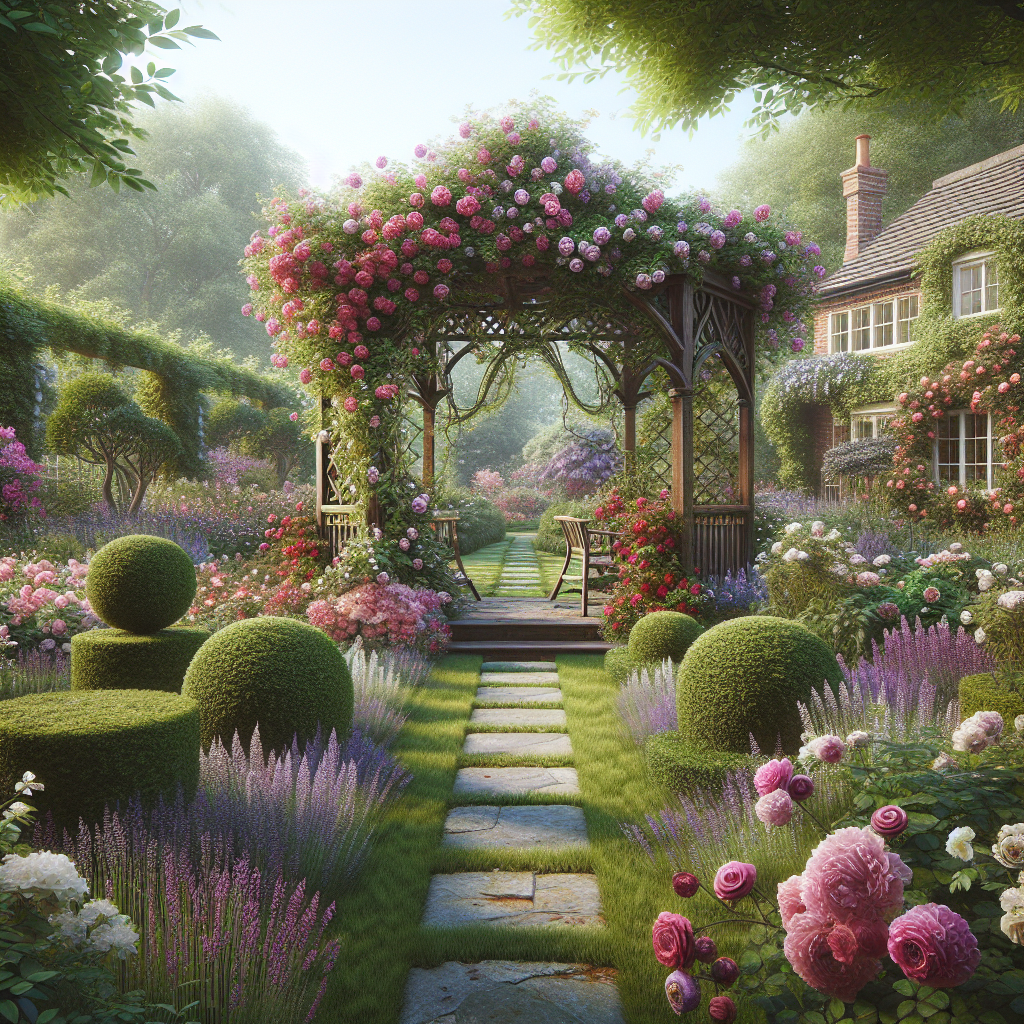
English style gardens have captured the imagination of horticulturists, landscape designers, and garden enthusiasts worldwide. With their rich history, intricate designs, and meditative allure, these gardens aren’t merely spaces to cultivate plants; they are a tapestry of nature, culture, and art, woven together in a showcase of beauty. In this article, we’ll explore the essence of English style gardens, answer common questions, and delve into their fascinating characteristics, offering a deep understanding of this beloved garden style.
What Exactly Is an English Style Garden?
An English style garden, also known as an ‘English garden’ or ‘English landscape garden,’ is characterized by its naturalistic approach, combining beauty, functionality, and sustainability. This style includes a combination of flowing lines, diverse plantings, and aesthetic arrangements that invite exploration and contemplation. It emphasizes organic growth and the integration of architectural features in harmony with nature.
Key Features of English Style Gardens:
-
Naturalistic Planting: English gardens often mimic natural landscapes. This includes the use of native plants, wildflowers, and trees, creating a sense of wildness and authenticity.
-
Curved Paths and Changing Vistas: English gardens often feature winding paths. These invite visitors to wander and discover hidden gems within the garden, creating a dynamic visual experience.
-
Diverse Planting Schemes: Traditional English gardens use various plants, from perennials and annuals to shrubs and trees. This diversity ensures year-round interest, with some plants blooming in spring, summer, and fall.
-
Water Features: Ponds, streams, or fountains frequently adorn English style gardens, contributing to the sensory experience, drawing wildlife, and enhancing tranquil atmospheres.
-
Architectural Elements: The integration of structures—such as pergolas, trellises, and benches—adds a human touch to the landscape, inviting relaxation and contemplation.
A Brief History of English Style Gardens
To appreciate English gardens fully, one must delve into their history, which spans centuries and reflects the evolution of gardening philosophies.
Tudor Gardens (1485-1603)
The origin of the English garden can be traced back to the Tudor period. Gardens were first seen as a status symbol, predominantly in noble estates. These gardens often served practical purposes, showcasing herbs, vegetables, and medicinal plants, but they also began to adopt aesthetic considerations, featuring geometric designs and symbolic plantings.
Stuart Gardens (1603-1714)
The Stuart period marked a significant transformation. This era saw gardens becoming more ornamental, influenced by the formal French gardens of the time. Parterres, hedges, and flower beds arranged in symmetrical designs became popular. One notable figure during this time was the famous gardener and designer, Andre Le Nôtre.
The English Landscape Movement (18th Century)
The English landscape movement emerged as a reaction against the strict geometric designs of formal gardens. Pioneered by gardeners like Capability Brown and Humphry Repton, this movement advocated for a more natural approach, which celebrated the beauty of the English countryside. Key principles included rolling lawns, serpentine lakes, and the strategic placement of trees to create picturesque vistas.
The Victorian Era (1837-1901)
Victorian gardens embraced eclectic plant collections and intricate layouts that included numerous ornamental features. Gardens became personal sanctuaries for the aristocracy, filled with exotic plants brought back from colonial expeditions. This was also the time when garden design became a respected profession, with an emphasis on floral displays and seasonal color.
The 20th Century and Beyond
Through the 20th century, English gardens continued evolving, absorbing influences from modernist designs and sustainable practices. Contemporary English gardens often combine traditional elements with innovative practices, promoting biodiversity and environmental stewardship.
What Makes An English Style Garden Unique?
1. A Sense of Place
English gardens are intimately tied to the geographical and cultural contexts from which they emerge. They celebrate regional plant varieties and garden designs that resonate with local traditions, allowing them to feel grounded and relevant.
2. Plant Diversity
One of the hallmarks of an English garden is its plant diversity. Here are some key types of plants commonly found in these gardens:
- Perennials: Plants like delphiniums, peonies, and foxgloves thrive in English gardens, adding color and structure.
- Cottage Plants: Honesty, poppies, and sweet peas impart that classic cottage garden charm.
- Shrubs and Roses: English gardens often feature a wide variety of flowering shrubs and climbing roses, enhancing the romantic aesthetic.
3. Structure and Order Amidst Chaos
While English gardens celebrate natural beauty, they also embrace structure. Pathways, hedges, and walls provide organization, guiding visitors through delightful spaces while allowing nature to thrive alongside design principles.
4. Seasonal Interest
An English garden provides visual interest throughout the year, not just during the blooming season. The thoughtful selection of plants ensures textures, colors, and forms change with the seasons, including evergreen components that provide structure even in the dead of winter.
Common Questions About English Style Gardens
1. How Do You Create an English Style Garden?
Creating your own English garden begins with a plan and a vision. Here are some steps to consider:
a. Choose the Right Location: Identify a space with ample sunlight and good drainage, as well as a sense of context within its surroundings.
b. Select a Variety of Plants: Incorporate a mix of perennials, annuals, shrubs, and even some trees. Aim for diversity in shapes, sizes, and colors.
c. Plan for Pathways and Features: Design meandering paths to encourage exploration and intimacy. Consider adding benches, gates, or water features for added charm.
d. Embrace Seasonal Changes: Plan for year-round interest by selecting plants that bloom in different seasons. Consider including bulbs for spring or autumnal shrubs.
e. Allow for Natural Growth: Embrace a slightly wild aesthetic—don’t feel pressure to keep everything perfectly trimmed.
2. What Are the Best Plants for an English Style Garden?
The beauty of an English garden lies in its diversity. Here are some plant categories and specific examples:
- Flowering Perennials: Delphiniums, daisies, and echinacea.
- Cottage Plants: Hollyhocks, lupines, and nigella.
- Shrubs: Lavender, hydrangeas, and various types of ornamental grasses.
- Climbing Plants: Climbing roses, wisteria, and clematis for vertical interest.
3. How Can I Maintain an English Style Garden?
Maintaining an English garden requires effort but can be deeply satisfying;
- Regular Pruning: Prune back perennials in spring, and shape shrubs as needed.
- Weeding: Regular weeding prevents competition for resources and ensures the garden remains pristine.
- Mulching: Applying mulch supports moisture retention and enhances aesthetic appeal.
- Watering: During dry spells, ensure that plants receive sufficient water, especially newly planted ones.
4. Is an English Garden Sustainable?
Yes! Many modern English garden designs emphasize sustainability. Utilizing native plants, implementing composting practices, and creating habitats for wildlife can enhance sustainability. Incorporating organic gardening methods also contributes to environmental stewardship.
5. How Do English Gardens Inspire Community?
English gardens often serve as spaces for community connection. Many local botanical gardens with English style elements offer education on gardening techniques, host workshops, and provide spaces for people to come together. Additionally, public gardens create opportunities for mindful contemplation and shared beauty, serving as cultural hubs in communities.
6. Are There Distinct Regional Variations?
Indeed, English gardens can vary by region, often reflecting local climate, soil types, and available flora. The addition of specific architectural styles, such as walled gardens in colder regions or seaside gardens influenced by salt air, can distinctly mark different areas.
Notable Examples of English Style Gardens
-
Kew Gardens in Richmond, London: A UNESCO World Heritage Site, Kew Gardens is a stunning collection of plants from around the globe, representing a blend of formal and naturalistic design.
-
Hampstead Heath: A sprawling public park with picturesque elements that embody the English landscape garden ethos of openness and pastoral beauty.
-
Stourhead: This estate in Wiltshire is known for its stunning landscape gardens featuring impressive architectural follies, reflecting the harmony between nature and design.
-
Sissinghurst Castle Garden: This garden, designed by Vita Sackville-West, showcases a classic English garden layout with distinct “rooms” featuring various plant schemes.
The Final Flourish: The Emotional Connection of an English Style Garden
Ultimately, an English garden is much more than an aesthetic space; it represents a harmony between man and nature, an emotional connection that resonates with visitors and gardeners alike. It offers an invitation to pause, breathe, and absorb our surroundings. Whether you’re planting a small cottage garden in your backyard or dining in the leisurely ambiance of a public estate, the beauty of the English garden inspires creativity, reflection, and a profound appreciation for nature’s artistry.
By understanding the characteristics, history, and maintenance of English style gardens, you cultivate not only a beautiful space but also a sanctuary for the soul—one that echoes the timeless elegance and charm of the English countryside. As you journey into this enchanting world, remember that we are all foster gardeners, nurturing beauty in our landscapes, however small they may be.