
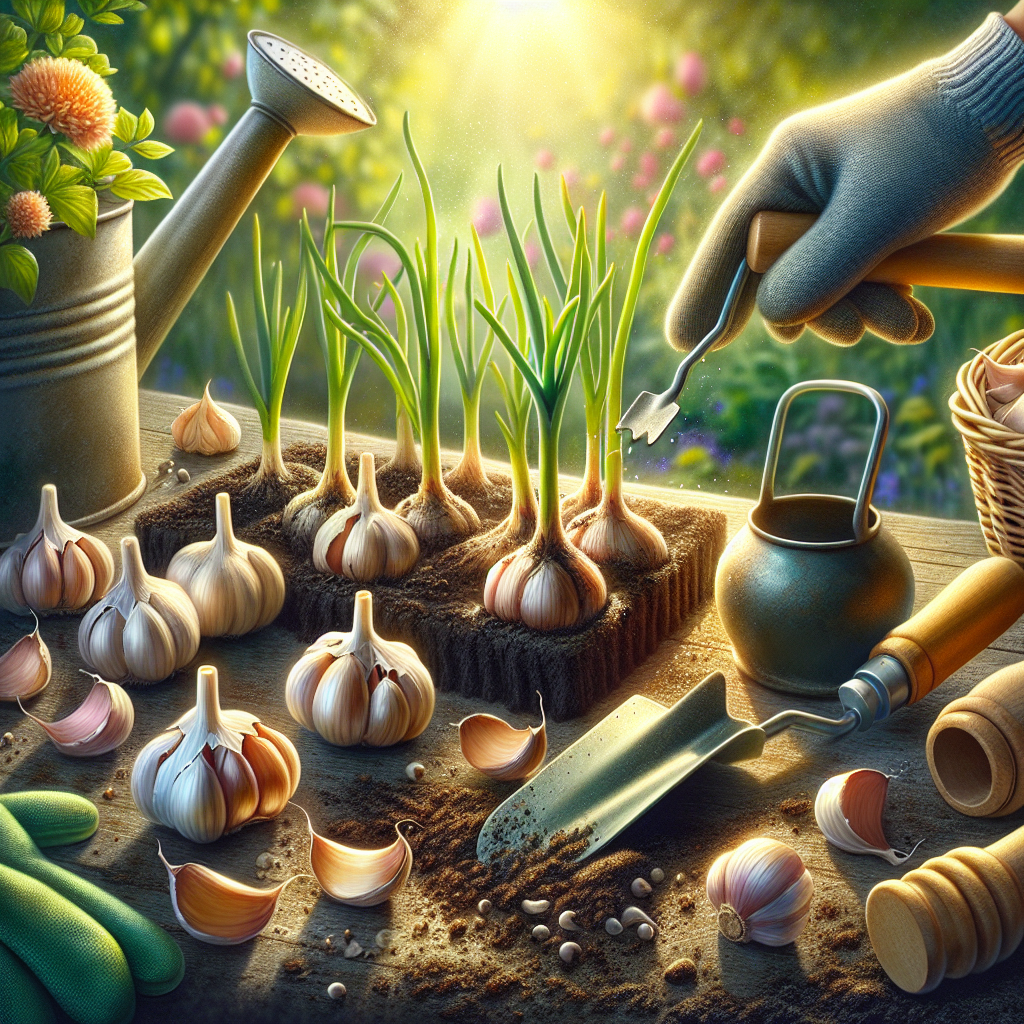
Garlic, known scientifically as Allium sativum, is a beloved bulbous plant used in culinary traditions worldwide, revered for its robust flavor and myriad health benefits. Whether you’re a seasoned gardener or a novice looking to spice up your culinary offerings, propagating garlic can be a rewarding experience. This article will provide a comprehensive guide on how to propagate garlic, share insider tips, and answer common questions about this fascinating plant.
Table of Contents
- Why Propagate Garlic?
- Understanding Garlic Types
- Choosing the Right Garlic Variety for Propagation
- Preparing for Garlic Propagation
- Step-by-Step Guide to Propagation
- Planting Garlic
- Caring for Your Garlic Plants
- Harvesting
- Troubleshooting Common Problems
- Benefits of Growing Your Own Garlic
- Storing and Reusing Garlic Bulbs
- Frequently Asked Questions about Garlic Propagation
- Conclusion
1. Why Propagate Garlic?
Garlic is not just an essential ingredient in many kitchens but also a delightful plant to grow. The act of propagation allows gardeners to cultivate their own organic garlic, ensuring quality and taste. Additionally, propagating your own garlic can lead to:
- Cost Savings: Commercial garlic can be pricey, especially for organic varieties.
- Variety: You can choose specific strains and varieties that suit your taste and climate.
- Sustainability: By growing your own, you reduce your carbon footprint and promote biodiversity.
2. Understanding Garlic Types
Before you begin propagating garlic, it is essential to understand its two primary types: hardneck and softneck.
Hardneck Garlic
- Characteristics: Hardneck garlic boasts a flower stalk (scape) and tends to have a stronger, spicier flavor.
- Growing Regions: Thrives in colder climates and is typically more resistant to diseases.
- Popular Varieties: Purple Stripe, Rocambole, and Creole.
Softneck Garlic
- Characteristics: Softneck garlic lacks a central flower stalk and typically has a milder flavor. It is ideal for braiding and has a longer shelf life.
- Growing Regions: Prefers warmer climates and is generally easier to grow.
- Popular Varieties: Artichoke and Silverskin.
Understanding these differences will help you choose the right type for your propagation efforts.
3. Choosing the Right Garlic Variety for Propagation
When selecting garlic for propagation, consider the following factors:
- Climate: Choose a variety that thrives in your local weather conditions. Hardneck varieties are preferred in colder areas, while softnecks are great for warmer regions.
- Flavor Preference: Some varieties are stronger in taste, while others are milder. Consider your culinary needs.
- Usage: If you want garlic for immediate culinary use, choose a variety that grows faster. If you’re interested in long-term storage, opt for a variety known for its longevity.
4. Preparing for Garlic Propagation
Before you dive into planting, prepare adequately:
A. Selecting and Preparing Garlic Bulbs
- Quality Check: Choose high-quality, disease-free bulbs from reliable sources. Organic seeds or bulbs are preferable for untainted growth.
- Segmentation: Break apart the bulb into individual cloves, being careful not to damage them. Keep the papery skins intact as they protect the cloves during planting.
B. Soil Preparation
Garlic thrives in loose, well-draining soil rich in organic matter. Here’s how to prepare:
- Soil Testing: Check the pH level, aiming for a slightly acidic to neutral pH (between 6.0 and 7.0).
- Amendments: Add organic compost and a balanced fertilizer to enrich the soil.
- Tilling: Turn the soil to a depth of about 12 inches to improve aeration and drainage.
C. Choosing the Right Planting Time
Timing is crucial! Garlic is typically planted in the fall, about six weeks before the ground freezes, allowing it to establish roots. In regions with milder winters, early spring planting is possible, but the yield may be lesser compared to fall planting.
5. Step-by-Step Guide to Propagation
Now that you’re prepared, let’s walk through the actual propagation process.
A. Planting Garlic
- Spacing: Plant individual cloves about 6 inches apart in rows. Leave about 12 inches between rows to allow for ease of maintenance.
- Depth: Plant cloves upright (pointy end up) at a depth of around 2 inches.
- Covering: Gently cover them with soil and water lightly.
B. Caring for Your Garlic Plants
Garlic requires minimal upkeep but thrives with some attention:
- Watering: Maintain consistent moisture, especially during dry spells. However, avoid overwatering, which can cause rot.
- Mulching: Apply a layer of organic mulch (like straw) to retain moisture, suppress weeds, and regulate soil temperature.
- Fertilization: Once you see shoots, you can apply a nitrogen-rich fertilizer to encourage growth but avoid excessive nitrogen, which can lead to lush foliage at the expense of bulbs.
C. Harvesting
The moment you’ve been waiting for! Garlic is usually ready to harvest when:
- The lower leaves begin to yellow and dry. Typically, this occurs about 90 to 120 days after planting.
- You may test a bulb by gently digging up a few to assess size.
To harvest, carefully lift the bulbs using a garden fork or spade, avoiding any bruising.
6. Troubleshooting Common Problems
Growing garlic isn’t without its challenges. Here are some common issues and their solutions:
A. Pests and Diseases
- Garlic Borer: An adult moth that can lay eggs in the garlic. Treat by rotating crops and using organic pesticides.
- White Rot: A fungal disease manifested as white, fluffy growths around the roots. Prevent this by practicing crop rotation and not planting garlic in the same spot for several years.
B. Poor Growth and Yield
If your garlic is growing but with fewer or smaller bulbs:
- Check Soil Quality: Ensure there is adequate drainage and nutrients.
- Watering: Adjust your watering schedule to avoid suffocating the plant roots.
- Sunlight: Garlic requires full sun, so ensure it gets at least 6-8 hours per day.
7. Benefits of Growing Your Own Garlic
The advantages extend beyond just the cultivation aspect:
- Health Advantages: Fresh garlic is loaded with antioxidants and has numerous health benefits, including anti-inflammatory properties and boosting the immune system.
- Flavor Profile: Freshly harvested garlic has a depth of flavor that far surpasses store-bought options.
- Self-sufficiency: By growing garlic, you connect with nature, foster resilience, and become more self-sufficient in your food supply.
8. Storing and Reusing Garlic Bulbs
After harvesting, proper storage and reuse will ensure your garlic lasts well into the future.
A. Curing Garlic
Once harvested, garlic should be cured in a dry, ventilated area for about 2-4 weeks. Hang the garlic bulbs or lay them in a single layer on a screen in a shaded, dry place. This process can enhance flavor and shelf life.
B. Storage Conditions
Proper storage is key to longevity:
- Ideal Temperature: Store garlic in a cool, dark place with good air circulation (60°F to 65°F).
- Containers: Avoid storing garlic in plastic bags. Instead, use mesh bags or baskets to allow for airflow.
C. Reusing Bulbs
Save a few of your best bulbs to plant during the next season. Over time, you’ll develop a strain of garlic that is well-adapted to your specific growing conditions.
9. Frequently Asked Questions about Garlic Propagation
Q1: Can I grow garlic from grocery store bulbs?
A: While feasible, grocery store garlic may have been treated with growth inhibitors or contain diseases. It’s best to use garlic specifically sold for planting.
Q2: How can I tell if garlic is ready to be harvested?
A: The lower leaves will start turning yellow or brown, and the bulbs will have formed. Pinch a few cloves to see if they’re the desired size.
Q3: Is it possible to grow garlic indoors?
A: Yes! Garlic can be grown in containers indoors, provided it has access to sufficient sunlight, water, and air circulation.
Q4: Why are my garlic bulbs small?
A: This typically results from poor soil quality, insufficient water, or planting too closely together. Ensure you provide ample space and nutrients.
Q5: How long does garlic take to grow?
A: Depending on the variety and climate, garlic usually takes 90 to 120 days from planting to harvest.
10. Conclusion
The journey of propagating garlic is both fulfilling and enriching. From the initial selection of high-quality bulbs to the joyful harvest, each step connects you with the soil and nature. With its myriad health benefits, distinct flavors, and ease of cultivation, garlic stands out as a perfect candidate for home gardening.
If you’ve yet to embark on the adventure of garlic propagation, we encourage you to get your hands in the soil and experience the delightful transformation from clove to culinary masterpiece! Happy gardening!