
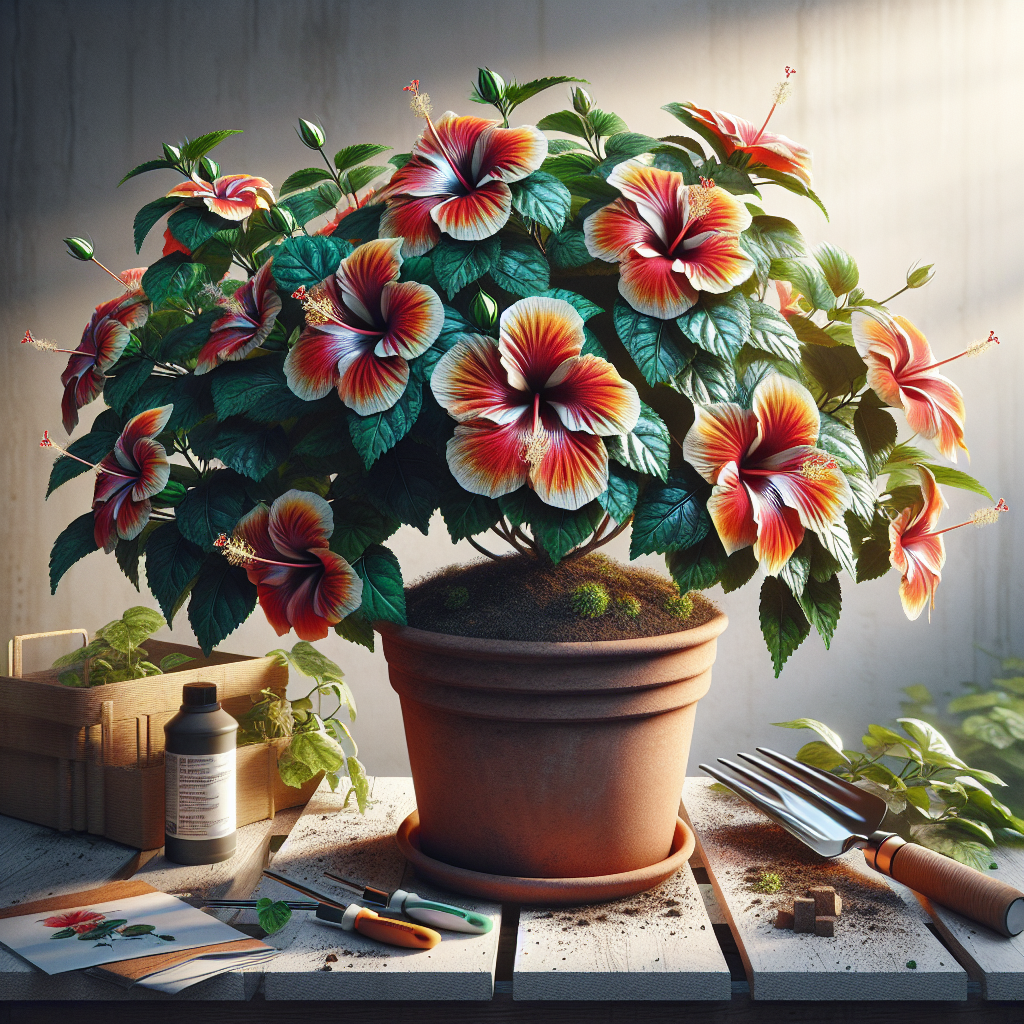
Hibiscus, with its large, vibrant blooms and lush foliage, is an eye-catching choice for container gardening. Whether you’re a novice gardener or a seasoned green thumb, growing hibiscus in pots offers both stunning beauty and the flexibility of portability. This article will delve deep into understanding hibiscus, covering everything from its origins and ideal growing conditions to care tips and troubleshooting common problems.
What is Hibiscus?
Hibiscus belongs to the Malvaceae family and comprises more than 200 species. Native to tropical and subtropical regions around the world, this flower is renowned for its large, trumpet-shaped blossoms that come in various colors, including red, pink, orange, yellow, and white. The hibiscus is not just beautiful; it also holds cultural significance in many societies. Its flowers are often used in traditional medicine, teas, and even as a symbol in art and decoration.
Why Choose Hibiscus for Container Gardening?
There are several reasons hibiscus can be an excellent choice for pot gardening:
-
Versatile Aesthetics: Their stunning blooms and lush foliage can enhance any space, be it a balcony, patio, or living room.
-
Portability: Unlike plants rooted in the ground, container-grown hibiscus can be easily moved to find the perfect sunlight or to make room for outdoor gatherings.
-
Adaptability: Hibiscus varieties can thrive in various climates and conditions when properly cared for.
-
Lengthy Blooming Season: With the right conditions, hibiscus can provide blooms from spring through fall.
-
Low Maintenance: Once established, hibiscus plants have relatively simple care needs.
Selecting the Right Hibiscus Variety for Pots
Tropical vs. Hardy Hibiscus
When it comes to container gardening, understanding the difference between tropical and hardy hibiscus is crucial.
-
Tropical Hibiscus: These varieties are sensitive to cold and thrive in USDA zones 9-11. Tropical hibiscus features large, flamboyant flowers and enjoys a long blooming season, though it may not survive frost.
-
Hardy Hibiscus: Also known as perennial hibiscus, these varieties can withstand colder temperatures (USDA zones 4-9) and will die back in winter but return in spring. They typically bloom in late summer and come in about three to four feet tall, adding lush greenery even when flowers are not in bloom.
When selecting your hibiscus for pots, consider your local climate and indoor vs. outdoor use.
Choosing the Perfect Pot
Size
A larger pot allows for better root growth, but you don’t want one so large that the plant’s energy is wasted on filling it with roots instead of flowers. A pot with a diameter of at least 12 inches is advisable for young hibiscus plants, while larger, more established plants may require 16-20 inch pots.
Material
Plastic pots are lightweight and retain moisture, while clay or terracotta pots are porous and provide good drainage. Consider your environment; if you live in a hot area, clay pots may dry out too quickly, while plastic pots might retain too much moisture in cooler climates.
Drainage Holes
Ensure the pot has adequate drainage holes to prevent root rot. A pot without drainage can lead to an all-too-common issue that can quickly kill even the healthiest hibiscus plant.
Planting Hibiscus in Pots: A Step-by-Step Guide
Supplies Needed
- Hibiscus plant
- Container (with drainage holes)
- Potting mix (ideally a mix formulated for flowering plants)
- Water
- Fertilizer (high in potassium)
- Mulch (optional)
Steps to Plant
-
Choose the Best Time: The best time to plant hibiscus is in spring after the last frost.
-
Prepare the Pot: Place a few pieces of broken pottery, pebbles, or coffee filters over the drainage holes to prevent soil from washing out.
-
Add Potting Mix: Fill the pot about one-third full with the potting mix.
-
Plant the Hibiscus: Remove the hibiscus from its nursery pot. Gently loosen any tightly bound roots, then place it in the center of the new pot. Fill around the root ball with potting mix until the soil is about an inch below the rim.
-
Water Thoroughly: After planting, water the hibiscus until water drains freely from the bottom. Ensure the pot does not sit in standing water.
-
Fertilize: Begin fertilizing with a high-potassium fertilizer two to three weeks after planting to promote blooming.
-
Mulch (Optional): Add a layer of mulch to help retain moisture and keep the roots cool.
Ideal Growing Conditions for Potted Hibiscus
Light
Hibiscus prefers full sun, around 6-8 hours a day, but it can tolerate partial shade. If grown indoors, place near a south-facing window for the best results.
Temperature
Tropical hibiscus enjoys a warmer climate (65-85°F), while hardy hibiscus can handle cooler temperatures. If grown indoors during winter, keep the temperature consistent, as drafts from windows can be detrimental.
Humidity
Hibiscus thrives in high humidity. If your environment is dry, consider misting the leaves or using a humidifier. Alternatively, placing a small tray of water and pebbles beneath the pot can help elevate humidity levels.
Watering
Hibiscus prefers consistently moist soil—not soggy. Water when the top inch of the soil feels dry, ensuring that excess water can drain away. During the hot months, they may require daily watering.
Soil
A well-draining potting mix is ideal, ideally amended with peat moss or vermiculite to retain moisture while allowing for proper drainage.
Feeding Your Potted Hibiscus
Fertilization Schedule
Regular feeding will ensure your hibiscus blooms abundantly. A slow-release fertilizer designed for flowering plants can be applied in spring. Additionally, consider weekly feeding with a water-soluble fertilizer (high in potassium) during the growing season (March to September) to promote blooms.
Signs of Nutrient Deficiency
- Yellowing Leaves: Indicates a nitrogen deficiency.
- Stunted Growth: May indicate a lack of phosphorus.
- Poor Blooms: Often linked to low potassium.
Pruning and Training
Why Prune?
Pruning is essential for both health and aesthetics. Encouraging growth during early spring can enhance flower production and maintain the plant’s shape.
How to Prune
- Timing: Late winter or early spring is the best time to prune.
- Technique: Use clean, sharp pruning shears, and remove dead or diseased branches, as well as overly crowded growth. Prune back one-third of the older branches to promote new growth.
Training
If desired, you can train your hibiscus into a tree-like shape by pruning stems to encourage upright growth while removing lower branches.
Overwintering Your Hibiscus
If you live in an area with cold winters, moving your potted hibiscus indoors is essential.
- Prepare for the Move: A couple of weeks before the first frost, start bringing your hibiscus indoors during the nights to acclimatize it.
- Indoors Care: Place the pot in a bright area with indirect sunlight and maintain a consistent temperature. Reduce watering and stop feeding during the winter months, allowing the plant to enter a semi-dormant state.
- Check for Pests: Indoor plants can attract pests; routinely check for signs and treat as necessary.
Pests and Problems
Common Pests
- Aphids: Small, soft-bodied insects that suck sap from the leaves. Sticky residue on the leaves is a sign of aphid presence.
- Whiteflies: Easy to spot, these small, flying insects can weaken the plant. Treatment includes insecticidal soap or neem oil.
Diseases
- Root Rot: Caused by overwatering, root rot is characterized by yellowing leaves and mushy roots. If noted, immediately reduce watering and consider repotting.
- Powdery Mildew: A fungal disease that appears as white spots on leaves, usually due to poor air circulation. This can be managed with fungicidal treatments and improving air flow.
Frequently Asked Questions
How often should I water my hibiscus in a pot?
Watering needs depend largely on the environment, but generally, when the top inch of soil feels dry, it’s time to water. In hotter months, daily watering may be necessary.
Can hibiscus survive indoors?
Yes, hibiscus can be kept indoors provided they have enough bright light—ideally, near a south-facing window—and consistent temperatures. Keep an eye out for common indoor pests.
How can I encourage more blooms on my hibiscus?
Ensure your plant is getting adequate sunlight, is well-fed with a nitrogen-rich fertilizer, and is pruned regularly. The high potassium content in fertilizer during the blooming season encourages more flowers.
Do hibiscus need to be repotted regularly?
Hibiscus should ideally be repotted every 1-2 years or when the plant becomes root-bound. Larger pots allow for healthy growth and more blooms.
What colors do hibiscus flowers come in?
Hibiscus flowers come in various colors, including red, pink, orange, yellow, and even bi-color combinations, making them a versatile choice for any garden.
Conclusion: Embrace the Beauty of Hibiscus in Pots
Hibiscus plants offer stunning aesthetics, vibrant colors, and a gentle reminder of warmer climates. Whether used for landscape design or as statement pieces in your home or garden, these container plants can bring joy and serenity to your space. By understanding their needs, from planting and maintaining conditions to troubleshooting common problems, you can enjoy the flourishing beauty of hibiscus in pots.
With the right care and attention, your hibiscus will not only thrive but will become a cherished part of your gardening journey. Enjoy the breathtaking blooms and the undeniable allure these magnificent flowers bring to your life!