
As climate change continues to reshape environmental realities, droughts are becoming increasingly common in many regions, including Oregon. The state’s diverse ecosystems, from coastal rainforests to arid high desert, are simultaneously under threat from water scarcity. This has led many residents to consider drought-tolerant plants—species adapted to thrive in low-water conditions. In this comprehensive guide, we’ll explore not only the advantages of choosing drought-tolerant plants but also provide in-depth information about the best selections, tips for care and maintenance, and answers to questions you might have.
Why Choose Drought-Tolerant Plants?
Economic Benefits
One of the most compelling reasons for opting for drought-tolerant plants is the cost savings associated with reduced water use. These plants require less irrigation, which translates to lower water bills. Moreover, with less frequent watering, you’ll also save on time and resources, allowing you to allocate your gardening efforts elsewhere.
Environmental Impact
Increasing the use of drought-tolerant plants contributes to sustainability. By reducing water consumption, you help conserve this precious resource, making a significant impact in areas facing water shortages. Furthermore, many drought-tolerant plants are native species, which support local wildlife, including birds, beneficial insects, and pollinators.
Aesthetic Appeal
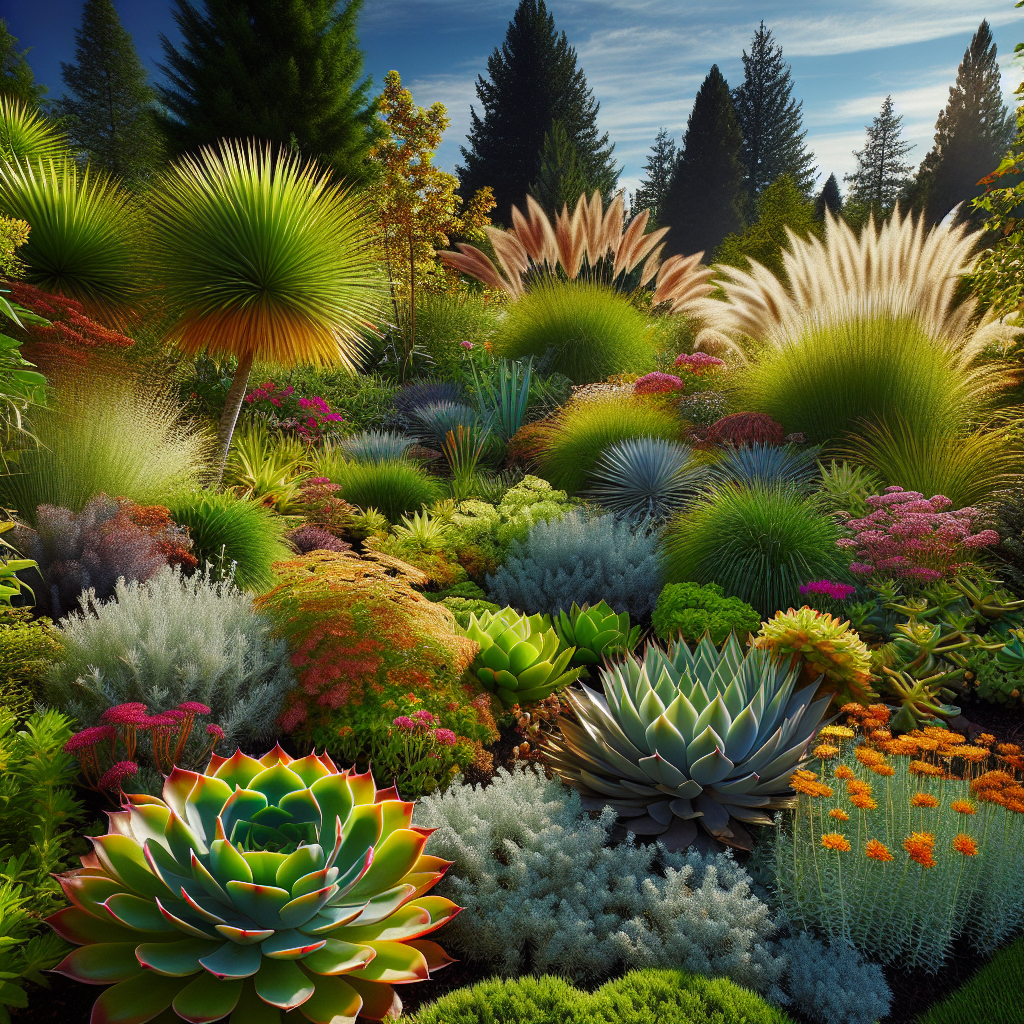
Drought-tolerant gardens can be incredibly beautiful. With a little creativity, these plants can offer diverse textures, colors, and forms that add visual interest to your landscape. From charming succulents to vibrant perennials, drought-tolerant options can fit into any garden style—from rustic to contemporary.
What Are Drought-Tolerant Plants?
Drought-tolerant plants are species that have adapted to survive with minimal water. These plants typically develop characteristics that minimize water loss. For example, they may have:
- Deep root systems that access moisture beneath the soil surface.
- Thick or waxy leaves that reduce evaporation.
- Stomata that close during hot, dry periods to limit water loss.
In Oregon, the climate varies significantly between regions, so the selection of drought-tolerant plants should consider local conditions.
Key Regions in Oregon for Drought-Tolerant Plants
-
Western Oregon: Experience a coastal or mountainous climate with abundant rainfall, particularly in the winter months. Here, gardeners can choose a mix of native and drought-tolerant plants that thrive in well-draining soils.
-
Central and Eastern Oregon: Characterized by high desert climate, which experiences hot summers and cold winters, making it a prime candidate for drought-tolerant gardening.
Suitable Drought-Tolerant Plants by Region
Western Oregon
-
Pacific Coast Strawberry (Fragaria chiloensis)
- Description: A low-growing perennial with trailing stems and vibrant flowers, this plant produces delicious berries and provides excellent ground cover.
- Ideal Site Conditions: Sandy, well-draining soil; partial to full sun.
-
California Lilac (Ceanothus spp.)
- Description: Known for its striking blue flowers and evergreen foliage, California Lilac can grow as a shrub or small tree.
- Ideal Site Conditions: Well-draining, sandy soils; full sun.
-
Oregon Grape (Mahonia aquifolium)
- Description: An evergreen shrub that bears yellow flowers in the spring and blue berries in the summer. It thrives in shade and is an important food source for birds.
- Ideal Site Conditions: Tolerant of various soil types; prefers partial shade.
Central and Eastern Oregon
-
Sagebrush (Artemisia tridentata)
- Description: A quintessential plant of the high desert, known for its silvery-grey foliage and aromatic leaves.
- Ideal Site Conditions: Well-drained, sandy soils; full sun.
-
Lupine (Lupinus spp.)
- Description: This legume provides stunning spikes of blue or purple flowers and is excellent for attracting pollinators.
- Ideal Site Conditions: Sandy to loamy soil; full sun.
-
Desert Marigold (Baileya multiradiata)
- Description: A perennial that produces bright yellow flowers virtually all season. It’s drought-tolerant and easy to maintain.
- Ideal Site Conditions: Well-drained soil; full sun.
Planting and Caring for Drought-Tolerant Plants
Soil Preparation
Before planting, prepare the soil by ensuring proper drainage. Most drought-tolerant plants thrive in well-drained, sandy soils. Mixing compost can improve soil structure and provide an initial nutrient boost.
Watering Strategy
During the establishment phase (the first season), it’s crucial to provide adequate watering to help your plants establish their root systems. Once established, most drought-tolerant plants require minimal watering. A good strategy is to water deeply but infrequently to encourage deeper root growth.
Mulching
Applying a thick layer of mulch can help retain moisture in the soil and deter weed growth. Organic mulches like wood chips or straw are excellent choices.
Pruning and Maintenance
Routine maintenance includes deadheading spent flowers and pruning to maintain shape and health. While drought-tolerant plants are generally hardy, removing any dead or diseased material helps promote overall plant health.
Frequently Asked Questions
1. Are drought-tolerant plants suitable for all garden types?
Absolutely! Drought-tolerant plants can be integrated into various garden styles. You can create a formal garden featuring a mix of hardy succulents or kitchen gardens where drought-resistant herbs thrive.
2. How can I know which plants are drought-tolerant in my specific area of Oregon?
Local gardening centers, botanical gardens, and extension services can provide valuable resources. Additionally, research native plants in your respective region as they are often well-adapted to local conditions.
3. Can I mix drought-tolerant plants with other plants?
Yes, many gardeners successfully incorporate drought-tolerant species alongside more traditional plants. However, it’s essential to categorize based on water needs and ensure proper placement within your garden design.
4. Do drought-tolerant plants still need care during dry periods?
While these plants are adapted to low water conditions, they benefit from occasional deep watering, especially during extreme dry spells. This helps maintain vitality and can promote flowering or fruiting.
5. How do drought-tolerant plants affect local wildlife?
Many drought-tolerant plants provide essential habitats and food sources for local wildlife, including birds, bees, and butterflies. This contributes to healthier, more biodiverse ecosystems within your gardens.
6. What are some common misconceptions about drought-tolerant plants?
One common misconception is that all drought-tolerant plants are unattractive or only suitable for desert landscapes. In reality, the variety available can accommodate any aesthetic and create vibrant, visually appealing gardens.
Conclusion
In a rapidly changing climate, embracing drought-tolerant plants is not just wise—it’s a necessary step toward sustainable gardening. In Oregon, whether from the lush coastal areas to the arid expanses of Central and Eastern Oregon, these resilient plants not only beautify your landscape but also contribute positively to the environment and your budget. As you embark on your gardening journey, remember that sustainability and beauty can go hand-in-hand—an ethos well captured by the selection of drought-tolerant plants.
By making informed choices and understanding plant requirements, you can create a thriving, resilient garden that stands as a testament to adaptation and sustainability in the face of climate challenges. So dig deep, get your hands dirty, and embrace this vibrant horticultural movement for the future—one plant at a time!