
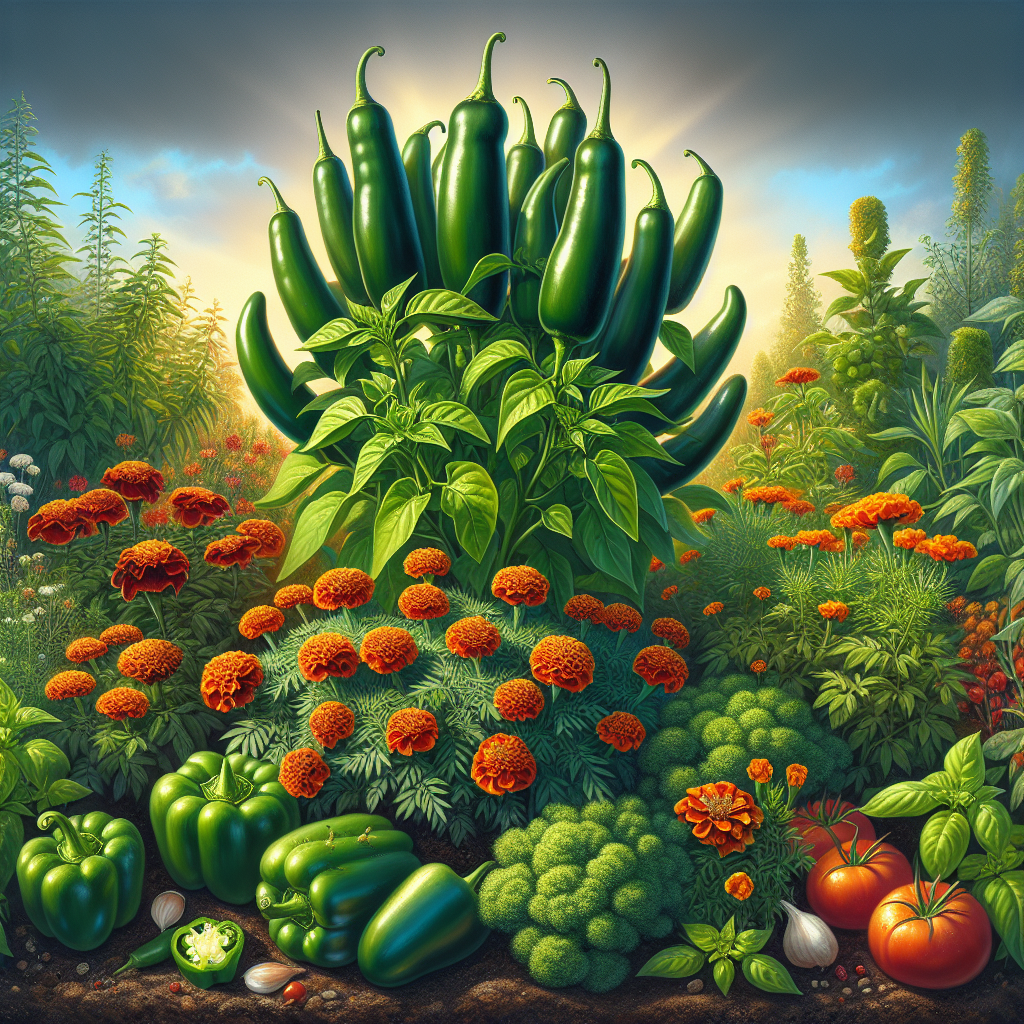
Companion planting is a time-honored gardening technique that involves pairing different plants together to enhance growth, reduce pests, and improve overall garden health. If you’re growing jalapeños in your garden, utilizing companion plants can take your yield from mediocre to bountiful. In this article, we’ll delve deep into the concept of companion planting, explore the best companions for jalapeños, and answer common questions to help you cultivate a thriving pepper patch.
Understanding Jalapeños: A Brief Overview
Before we dive into companion plants, it’s crucial to understand the jalapeño plant itself. Originating from Mexico, jalapeños (Capsicum annuum) are a type of chili pepper that are prized for their medium heat and versatile flavor. Typically, jalapeños grow to be around 24 to 36 inches tall and bear fruit that can vary in color from green to red, depending on ripeness.
Key Characteristics of Jalapeños:
- Light Requirements: Full sun (6-8 hours daily).
- Soil Preferences: Well-draining soil with a pH of 6.0-6.8.
- Water Needs: Moderate; avoid overwatering as jalapeños are prone to root rot.
- Nutrient Requirement: Rich in nitrogen, potassium, and phosphorus.
The Importance of Companion Planting
Companion planting isn’t just about aesthetics; it has practical benefits that can significantly influence plant health and productivity. The practice hinges on the idea that certain plants have beneficial relationships, including:
-
Pest Control: Some plants repel pests that may harm your jalapeños.
-
Nutritional Boost: Certain companions can enhance soil quality and provide necessary nutrients for the growth of jalapeños.
-
Enhanced Growth: Companion plants can promote healthier and faster growth due to synergistic relationships.
-
Maximizing Space: Companion planting allows you to make the most of your garden space by intermingling plants that grow well together.
-
Biodiversity: Having a variety of plants can reduce susceptibility to diseases and pests.
Best Companion Plants for Jalapeños
1. Basil
- Benefits: When planted near jalapeños, basil can improve flavor and act as a pest repellent against aphids, thrips, and spider mites.
- Cultivation Tips: Basil thrives in similar conditions as jalapeños. Plant them in well-draining soil with ample sunlight.
2. Marigolds
- Benefits: Marigolds are potent pest deterrents due to their ability to repel nematodes and aphids. They attract beneficial insects like ladybugs.
- Cultivation Tips: These flowers are hardy and drought-resistant, making them easy companions for jalapeños.
3. Onions and Garlic
- Benefits: Onions and garlic release sulfur compounds that deter common pests like aphids and beetles. They can also enhance the flavor of your jalapeños.
- Cultivation Tips: Plant them in rows around your jalapeños to create a natural barrier against pests.
4. Cilantro (Coriander)
- Benefits: Cilantro attracts beneficial insects such as parasitic wasps that prey on pests detrimental to jalapeños.
- Cultivation Tips: Sow cilantro seeds directly into the ground in cooler seasons, allowing them to grow alongside your jalapeños.
5. Nasturtiums
- Benefits: These vibrant flowers serve as a trap crop, diverting aphids away from your peppers. They also attract pollinators.
- Cultivation Tips: Nasturtiums do well in poor soil and can add an aesthetic appeal to your garden.
6. Spinach and Lettuce
- Benefits: These leafy greens can provide ground cover, keeping soil temperatures cooler and maintaining moisture. They don’t compete for nutrients and can be harvested prior to the jalapeños maturing.
- Cultivation Tips: Sow them in between jalapeño plants early in the season, using up space effectively.
7. Corn
- Benefits: Corn acts as a natural trellis for climbing beans, enhancing vertical space utilization and providing shade.
- Cultivation Tips: Plant corn well ahead of the jalapeño season to allow for adequate growth.
8. Radishes
- Benefits: Radishes grow quickly and can serve as a natural pest deterrent, particularly for root pests that might harm jalapeños.
- Cultivation Tips: Plant radishes among your jalapeños to have a quick crop ready before the peppers begin to mature.
9. Carrots
- Benefits: Carrots promote soil health as their deep roots break up soil, allowing better aeration and drainage for surrounding plants.
- Cultivation Tips: Plant them alongside jalapeños but ensure they have sufficient space to grow without crowding the peppers.
The “Enemies” of Jalapeños: What to Avoid
While certain plants can significantly benefit jalapeños, others can hinder their growth. Here are some common culprits to avoid:
1. Fennel
Fennel is known to inhibit the growth of many plants, including jalapeños, as it releases substances that impede their growth.
2. Cabbage Family (Brassicas)
Plants like cabbage, broccoli, and cauliflower can compete for nutrients and may harbor pests that can migrate to your peppers.
3. Potatoes
Potatoes share similar soil nutrient requirements with jalapeños and could lead to competition for resources, ultimately stunting the growth of both.
Addressing Common Questions on Companion Planting for Jalapeños
What is the best time to plant companion plants with jalapeños?
The best time to plant companion plants is during the spring when temperatures begin to warm up, ideally after the risk of frost has passed. The timing will vary based on climate, but typically, companion plants should be sown at the same time you plant your jalapeños or slightly earlier if they require a longer growing season.
How can I maximize the benefits of companion planting?
To maximize the benefits of companion planting:
- Plan Your Garden Layout: Consider sunlight, water needs, and space when placing companion plants.
- Rotate Crops Annually: Change your planting strategy each year to avoid pest buildup.
- Diversify Plant Choices: Mix various plants to maximize biodiversity and reduce pests naturally.
What pests can be managed with companion planting?
Companion plants can help manage a variety of pests, including:
- Aphids: Marigolds and cilantro attract beneficial insects that prey on aphids.
- Spider mites: Basil and marigolds repel these harmful pests.
- Whiteflies: Nasturtiums can deter whiteflies from invading nearby crops.
How do companion plants affect soil health?
Companion plants can improve soil health in the following ways:
- Nutrient Cycling: Deep-rooted plants like carrots and corn can bring nutrients from the soil’s lower layers, making them available for shallow-rooted plants.
- Soil Structure: Companion plants can enhance soil structure with their root systems, leading to better drainage.
- Organic Matter: Decaying leaves and roots from companion plants contribute organic matter to the soil, improving fertility over time.
Can I apply companion planting principles on a smaller scale, like in containers?
Absolutely! Companion planting can be successfully implemented in container gardening as long as you maintain the right plant pairings. For example, growing basil alongside jalapeños in a pot can enhance flavor while saving space.
Practical Tips for Companion Planting
-
Start Small: If you’re new to companion planting, begin with just a few varieties to see what works best in your unique garden setting.
-
Utilize Companion Planting Charts: Reference charts and guides that list compatible plants. They can serve as an excellent resource for planning your garden layout.
-
Observe and Adapt: Monitor your plant growth and health closely. If you notice negative interactions, adjust your companions accordingly.
-
Consider the Height: When planning your garden, consider plant heights to avoid shading; taller plants can hinder the growth of shorter ones if not appropriately spaced.
-
Embrace Diversity: Utilizing colorful flowers or various herbs alongside your jalapeños not only protects your plants but also attracts beneficial pollinators.
The Takeaway
Companion planting is not just an ancient technique; it’s a modern approach to organic gardening that maximizes yield and minimizes pests through thoughtful plant pairings. By strategically choosing companions for your jalapeños—like basil, marigolds, and cilantro—you’re actively contributing to a healthier gardening ecosystem. Not only will you enjoy a richer harvest, but you’ll also cultivate a vibrant garden teeming with life.
As you embark on your companion planting journey, keep these principles and best practices in mind. Together, let’s embrace the art and science of companion planting, nurturing space for our jalapeños to flourish while enhancing the beauty and diversity of our gardens. With careful planning and selection, your jalapeño plants will thrive, contributing their delightful heat to your culinary creations. Happy planting!