
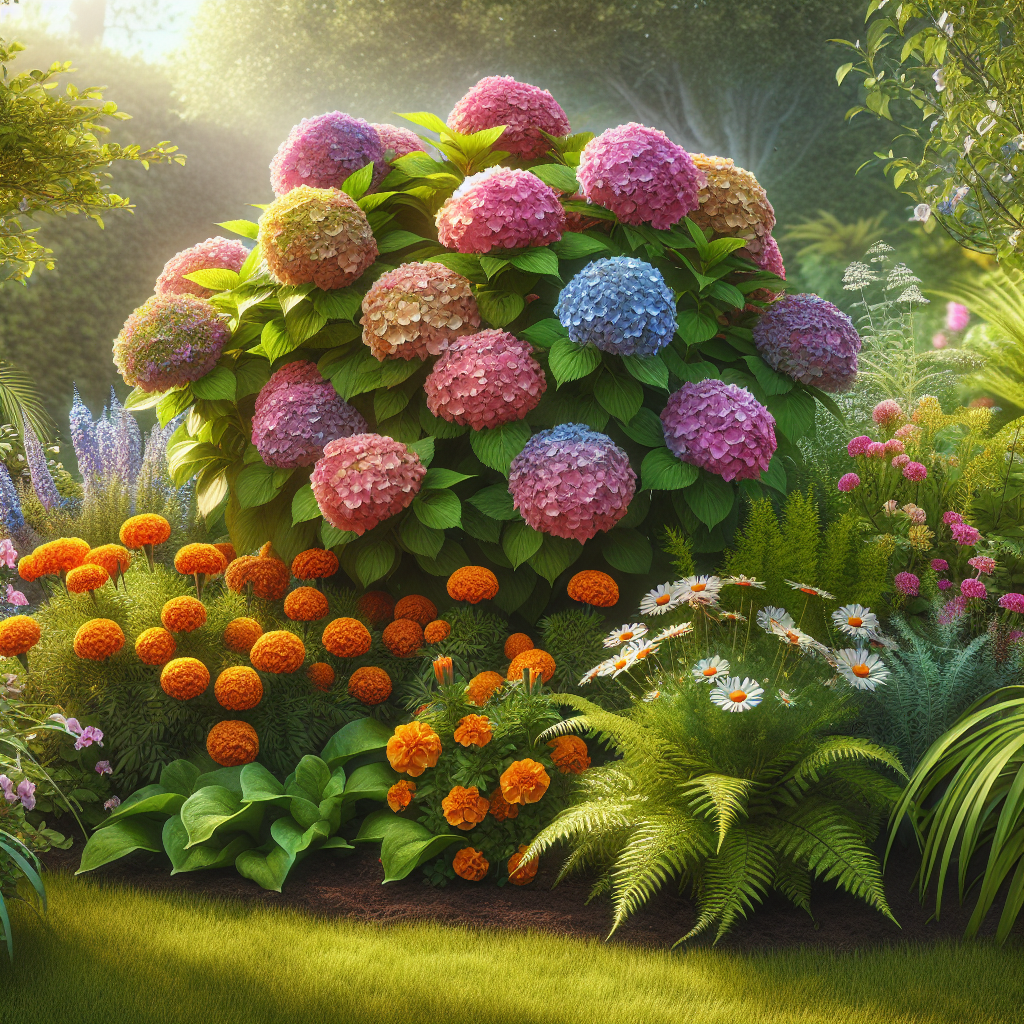
In the world of gardening, the phrase “the whole is greater than the sum of its parts” rings exceptionally true when it comes to companion planting. The practice of selecting plants that grow harmoniously together can lead to a vibrant, thriving landscape. For those planting hydrangeas—one of the most beloved ornamentals—understanding the power of companion plants can unlock the secrets to making your garden not just beautiful, but also ecologically balanced and sustainable.
Understanding Hydrangeas
Hydrangeas are a diverse group of flowering shrubs that belong to the Hydrangeaceae family. Characterized by their large, vibrant blooms, these plants can be found in shades ranging from soft pastels to vivid blues and deep pinks. They are commonly categorized into several species, including:
- Hydrangea macrophylla (Bigleaf Hydrangea)
- Hydrangea paniculata (Panicle Hydrangea)
- Hydrangea arborescens (Smooth Hydrangea)
- Hydrangea quercifolia (Oakleaf Hydrangea)
These plants thrive in USDA hardiness zones 3 to 9, depending on the species, and their care requirements vary, including light, water, and soil preferences.
Why Companion Plant?
But why is companion planting particularly important for hydrangeas? Some of the benefits include:
-
Improved Growth and Health: Certain plants can offer nutrients or other benefits that support hydrangeas’ health. For instance, planting nitrogen-fixing plants nearby can enrich the soil.
-
Pest and Disease Control: Companion plants can deter pests that target hydrangeas. By diversifying your garden, you also reduce the risk of widespread disease.
-
Enhanced Aesthetic Appeal: Pairing hydrangeas with complementary plants can create stunning color contrasts and visual interest.
-
Soil Improvement: Some companion plants can help improve soil structure and nutrient content, encouraging a more vigorous hydrangea.
The Science Behind Companion Planting
What Makes a Good Companion Plant?
Good companion plants typically fulfill one or more of the following criteria:
-
Mutual Benefits: Both species flourish by sharing beneficial interactions, such as improved nutrient absorption or pest deterrence.
-
Similar Growing Conditions: They require similar sunlight, water, and soil conditions.
-
Contrasting Growth: Taller plants can create shade for those requiring less sunlight, while low-growing plants can act as ground cover.
-
Attraction of Beneficial Insects: Some plants can draw pollinators or predators of pests.
Frequently Asked Questions
1. What are the ideal planting conditions for hydrangeas?
Hydrangeas prefer well-drained, fertile soil that retains moisture but doesn’t become waterlogged. They thrive in partial to full sunlight, though some varieties may tolerate shade. It’s essential to maintain consistent moisture without overwatering.
2. Can you plant hydrangeas near trees?
It’s best to avoid planting hydrangeas directly next to trees, as their roots can compete for nutrients and water. However, you can plant them within a reasonable distance, taking care that they receive enough sunlight.
3. How far apart should companion plants be spaced from hydrangeas?
This can vary based on the specific plants, but a good rule of thumb is to space them at least 12-18 inches apart to allow for air circulation and adequate growth.
Best Companion Plants for Hydrangeas
Let’s explore some top companion plants, sorted by their unique benefits:
1. Astilbe (Astilbe spp.)
Why Plant Astilbe?
Astilbes are ideal companions due to their similar water and light needs. They flourish in partial shade and will thrive alongside hydrangeas, adding beautiful feathery plumes of color.
Benefits:
Astilbe not only pairs beautifully with hydrangeas in a shaded area, but its lush foliage can also act as a natural ground cover, helping to retain moisture. Plus, their blooms attract beneficial pollinators.
Tips for Planting:
Plant astilbe in clusters near your hydrangeas for maximum visual impact.
2. Hostas
Why Plant Hostas?
Known for their large, leafy foliage, hostas thrive in similar conditions as hydrangeas and can create an appealing contrast with their wide variety of leaf shapes and colors.
Benefits:
In addition to their attractiveness, hostas can deter deer and slugs, common pests for hydrangeas.
Tips for Planting:
Opt for smaller varieties of hostas for more controlled growth. Position them in clusters to enhance your garden’s texture and color.
3. Ferns
Why Plant Ferns?
Ferns love the shade and can create a lush backdrop for your hydrangeas. They also thrive in moist environments, making them great companions.
Benefits:
Ferns help to maintain soil moisture and prevent erosion. They provide an organic, woodland-style environment that complements the hydrangea’s natural beauty.
Tips for Planting:
Select a variety of ferns to provide textural diversity.
4. Lobelia (Lobelia spp.)
Why Plant Lobelia?
Lobelia’s vibrant blue flowers bloom during the same period as many hydrangea varieties, offering a stunning color contrast.
Benefits:
Lobelia attracts pollinators and can help suppress weeds with its dense growth.
Tips for Planting:
Plant lobelia in a layered arrangement at the base of your hydrangeas to create a colorful underplanting.
5. Sedum (Sedum spp.)
Why Plant Sedum?
Sedum is a succulent that can tolerate drought and poor soil, making it a resilient partner for hydrangeas.
Benefits:
These hardy plants can thrive under dry conditions, diverting attention away from any potential overwatering issues with hydrangeas.
Tips for Planting:
Consider sedum as a ground cover to fill space and prevent soil erosion.
6. Daylilies (Hemerocallis spp.)
Why Plant Daylilies?
Daylilies are versatile plants that can adapt to various conditions, providing long-lasting color alongside hydrangeas.
Benefits:
These plants are low-maintenance and can endure drought conditions, providing reliable color and texture without competing heavily for resources.
Tips for Planting:
Ensure daylilies are spaced adequately for air circulation, and consider staggered planting for an eye-catching wave effect.
7. Catmint (Nepeta spp.)
Why Plant Catmint?
With aromatic foliage and lavender-blue flowers, catmint is a perennial favorite that attracts bees and butterflies.
Benefits:
Its scent can deter pests, and it does not compete with hydrangeas for nutrients due to its different growth habits.
Tips for Planting:
Plant catmint on the outer edges of your hydrangea beds to create a natural border.
More Tips for Successful Companion Planting
Soil Health
Consider testing your soil before planting to determine its pH and nutrient levels. Hydrangeas have a pH-sensitive nature; different soil types can change their flower color! Partnering them strategically with the right companions can enhance soil vitality.
Water Wisely
While hydrangeas love moisture, it is essential not to overwater. Choose companion plants that need similar water levels, but can also handle fluctuations without suffering.
Plant in Layers
Use the “thriller, filler, spiller” concept when designing your hydrangea beds. Taller plants (thrillers) can be planted behind shorter plants (fillers), with trailing plants (spillers) cascading over the front.
Monitor for Pests and Diseases
Keep an eye out for the typical pests that might target either hydrangeas or companion plants. Healthy, diverse planting will generally deter pests naturally. Consider using organic pest control methods when necessary.
Conclusion
Companion planting with hydrangeas is not just an art form; it’s a science that fosters biodiversity and strengthens the garden ecosystem. By following the principles of companion planting and incorporating complementary plants, you can create a flourishing landscape that is both visually stunning and resilient.
As you become familiar with your climate, soil, and the various needs of hydrangeas, you will find joy not just in cultivating your favorite blooms, but also in nurturing an entire web of plant relationships that enhance your garden.
Harness the power of companion planting, and watch your hydrangeas thrive amidst a vibrant and supportive community of plants! Happy gardening!