
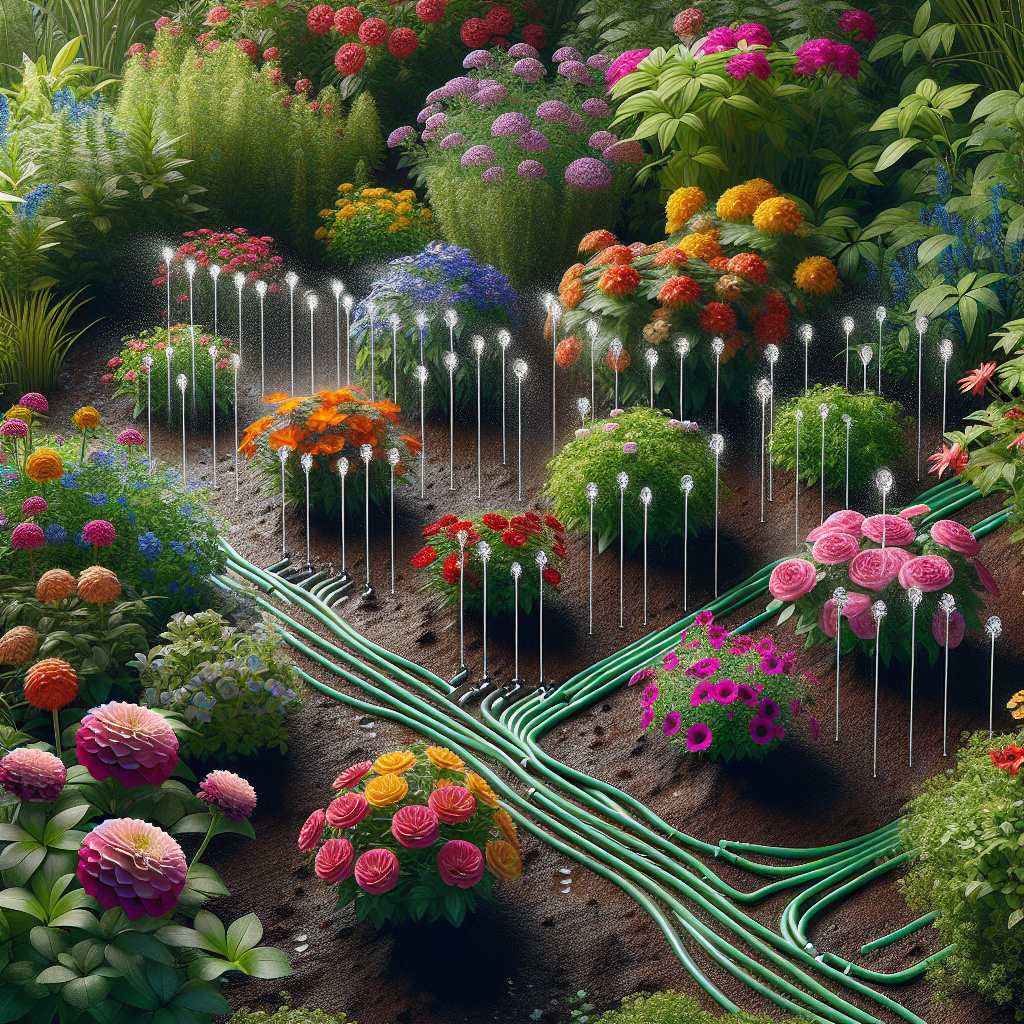
When it comes to cultivating vibrant flower beds, efficient watering systems can make a world of difference. Among the myriad of irrigation options available today, drip irrigation stands out as one of the most effective methods, especially for flower beds. In this comprehensive article, we will explore everything you need to know about drip irrigation, from its benefits to the installation process and maintenance.
What is Drip Irrigation?
Drip irrigation is a method of watering plants by delivering water directly to the plant’s roots through a system of tubes, pipes, valves, and emitters. This system allows for a slow, consistent supply of moisture to the plants, minimizing water waste and ensuring that your flowers receive the nutrients they need to thrive.
Historical Background of Drip Irrigation
The practice of drip irrigation dates back thousands of years. Ancient civilizations in regions like the Middle East used rudimentary forms to manage water resources effectively. In modern times, however, it gained widespread popularity in the 20th century, primarily due to advances in technology and a growing awareness of sustainable agricultural practices.
Why Choose Drip Irrigation for Flower Beds?
1. Water Efficiency
One of the most significant advantages of drip irrigation is its water efficiency. Traditional watering methods often lead to evaporation and runoff, while drip systems minimize these losses. Drip irrigation can reduce water consumption by 30-50%, making it an environmentally friendly choice.
Q: How does drip irrigation help save water?
A: Drip irrigation delivers water directly to the plant roots rather than spraying it over a large area, which reduces evaporation and runoff. This targeted approach allows for precise control over the amount of water each plant receives, minimizing waste.
2. Improved Plant Health
With drip irrigation, plants receive a consistent supply of moisture, which is vital for their growth. Overwatering and underwatering can hinder the health of your flowers. Because drip systems maintain optimal moisture levels, your flower beds will thrive.
Q: Are there specific flowers that benefit more from drip irrigation?
A: Most flowers benefit from drip irrigation, especially those that prefer well-drained soil like lavender, succulents, and many perennial flowers. Drip systems are also excellent for newly planted flowers as they help establish strong root systems.
3. Reduced Weed Growth
Drip irrigation targets the roots of flowers and minimizes the wetting of surrounding soil. This reduces conditions that promote weed growth. Fewer weeds mean less competition for nutrients and water, allowing your flowers to flourish.
Q: Can drip irrigation eliminate weeds entirely?
A: While drip irrigation significantly reduces the moisture available for weeds, it will not eliminate them entirely. Regular maintenance and weeding practices should still be implemented for the best results.
4. Lower Labor Costs
Once installed, drip irrigation systems are relatively low-maintenance. They require less frequent watering, which can free up time for you to focus on other gardening tasks, enhancing your overall flower bed management.
Q: How often should I check or maintain my drip irrigation system?
A: It’s advisable to check your system at least once a month, especially after heavy rainfall or before the hot summer months. Maintenance tasks may include flushing the system and checking emitters for blockages.
5. Flexibility in Design
Drip irrigation systems can be easily customized to fit the unique layout of your flower beds. Whether you have a large garden or a small landscape feature, a drip system can be tailored to your needs.
Q: Can I use drip irrigation for raised flower beds?
A: Absolutely! Drip irrigation works well in raised flower beds. In fact, it can be particularly beneficial as it allows for better control over soil moisture levels in elevated areas.
Components of a Drip Irrigation System
Understanding the components that make up a drip irrigation system is crucial before installation.
1. Main Line
The mainline is the primary tube that carries water from the source to your flower beds. It is typically made from PVC or polyethylene and is buried underground or laid on the surface.
2. Emitters
Emitters are small devices that deliver water directly to the plant roots. They can be adjustable, allowing you to control the flow rate as needed.
3. Tubing
Connecting the main line to the emitters, tubing can vary in diameter and is made from flexible materials. It allows water to navigate to different areas of your flower bed.
4. Filter
A filter ensures that debris and sediments do not clog the emitters. Without a filter, the system’s efficiency can decrease over time.
5. Pressure Regulator
Different plants may require different water pressures. A pressure regulator ensures an even flow regardless of the water source’s pressure.
How to Install a Drip Irrigation System for Flower Beds
Step 1: Plan Your Layout
Before installation, sketch out your flower bed layout. Identify where each flower will go and determine how much water each type of flower requires. Measure the area to calculate the amount of tubing and components needed.
Step 2: Gather Materials
Purchase the necessary materials, including:
- Mainline tubing
- Emitters
- Connectors
- Tubing stakes
- Filter
- Pressure regulator
- Timer (optional)
Step 3: Set Up the Main Line
Lie the mainline tubing along the pathway of your flower beds. Make sure it is secure and anchored with stakes if needed.
Step 4: Attach Emitters
Using emitters, attach them to the mainline tubing at appropriate intervals according to plant requirements. Each emitter will be positioned near the base of the flower.
Step 5: Connect the Filter and Regulator
Attach the filter and pressure regulator at the water source to ensure proper functioning of the system.
Step 6: Test the System
Turn on the water supply and test each emitter to ensure that water reaches all the flowers effectively. Make adjustments as necessary.
Step 7: Add a Timer (Optional)
Installing a timer can automate the watering schedule, making maintenance even easier. Set it to ensure flowers receive the precise amount of water daily or weekly, depending on their needs.
Maintenance Tips for Drip Irrigation Systems
Regular Checks
Frequent inspections will help you catch issues early. Look for clogs, leaks, and breakages.
Flush the System
Flushing the system helps clear any debris lodged in the emitters. It’s a simple process usually done every few months.
Seasonal Maintenance
As seasons change, so do plant needs. Reevaluate your system every season to adjust watering frequencies according to weather conditions.
Common Questions and Concerns
Q: Can I set up a drip irrigation system myself?
A: Yes! Many homeowners successfully install drip irrigation systems on their own, particularly with the availability of easy-to-follow guides and resources. However, if you’re uncomfortable with DIY projects, consulting a professional is an option.
Q: What are the initial costs involved in drip irrigation?
A: Initial costs can vary based on the size of your flower beds and the components you choose. On average, expect to spend between $50 to $500 for a complete set-up, but remember that the long-term water savings can make it a worthwhile investment.
Q: Is drip irrigation suitable for raised flower beds?
A: Definitely! Drip irrigation is an excellent choice for raised flower beds as it allows easy access and prevents overwatering.
Q: How can I tell if my plants are getting enough water?
A: Monitor soil moisture levels regularly. A simple test is to dig a small hole near your plants’ roots to check for dampness. Additionally, yellowing leaves can indicate overwatering, while wilting leaves may signify underwatering.
Environmental Impact and Sustainability
The adoption of drip irrigation systems supports sustainable gardening practices. Reducing water consumption not only benefits your flower beds but helps conserve global freshwater resources. By making this eco-friendly choice, you’re contributing to a healthier planet while enjoying beautiful blooms in your garden.
Conclusion: Flourishing Flower Beds Through Drip Irrigation
Implementing a drip irrigation system in your flower beds can dramatically enhance your gardening experience. From improving plant health and reducing labor to conserving precious water resources, the benefits of this system are numerous and significant.
Embrace the flexibility and precision of drip irrigation, and you’ll find that your flower beds not only survive but thrive year-round. Whether you’re planting an expansive garden or cultivating individual flower patches, drip irrigation stands as an asset to nurturing beauty in your outdoor space.
In an era of increasing awareness around sustainability and resource management, adopting effective irrigation methods like drip irrigation is not merely a choice; it’s a responsibility that every gardener can embrace. So roll up your sleeves, install your system, and let your flower beds flourish like never before!