
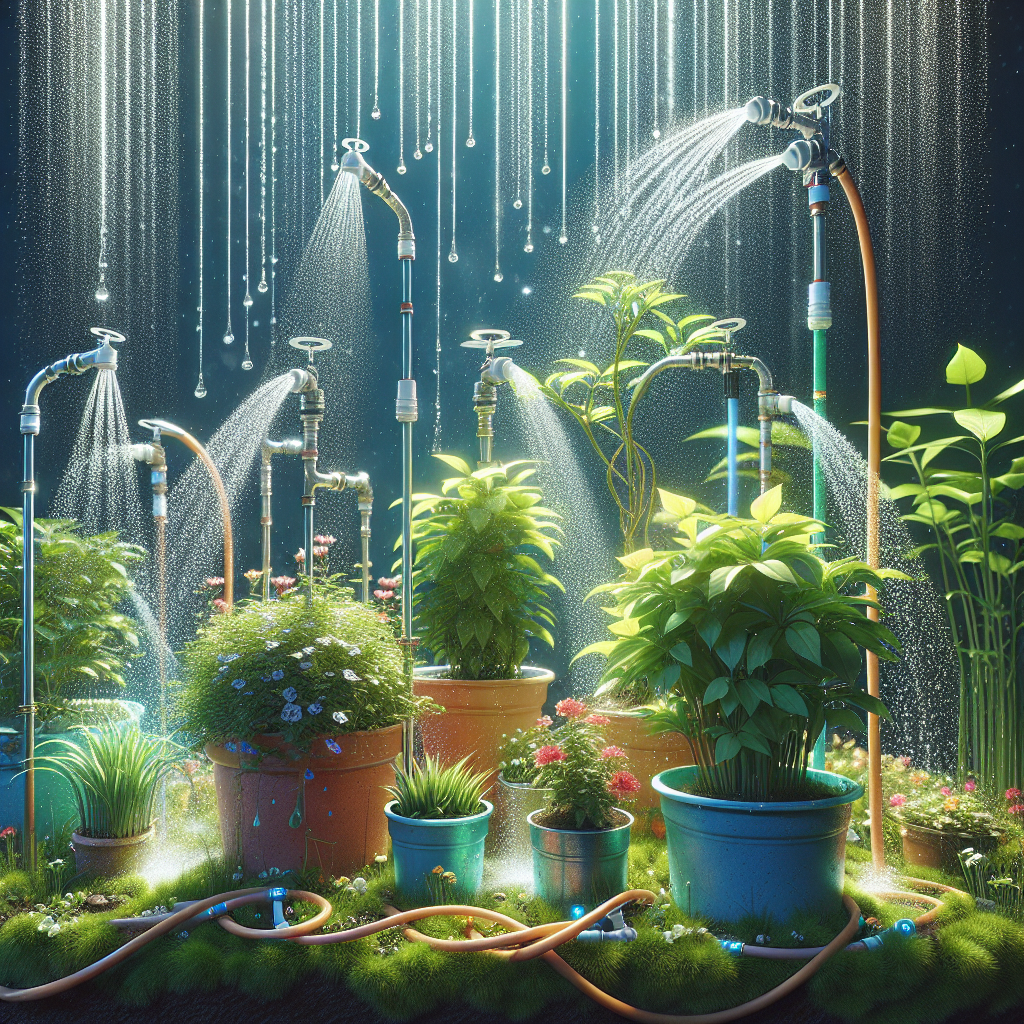
Drip irrigation has emerged as one of the most efficient agricultural methods, particularly for container gardening. With the rise of urban gardening and sustainable practices, understanding drip irrigation can transform how you nurture your plants in pots, barrels, and other containers. This article delves deep into the ins and outs of drip irrigation for containers, exploring its functions, benefits, installation methods, and common FAQs to provide gardeners with everything they need to know.
Understanding Drip Irrigation
Drip irrigation is a method of delivering water directly to the root zone of plants through a network of tubing and emitters. It operates on a low-pressure system designed to provide consistent moisture without excessive waste. Unlike traditional watering methods, which can lead to water runoff and evaporation, drip irrigation minimizes water loss and maximizes efficiency.
How Drip Irrigation Works
-
Water Source: The system begins at a water source, often a faucet or a rainwater collection system.
-
Main Supply Line: A main supply line connects to the water source. This line often runs along the rows or areas of container placement.
-
Emitters: At designated points in the supply line, emitters (drippers) are installed to deliver precise amounts of water directly into each container.
-
Tubing: Flexible tubing distributes the water from emitters to individual containers. The tubing can be custom-fitted to spaces of various sizes.
-
Pressure Regulation: Many systems come with pressure regulators to ensure that water is delivered at the correct pressure for optimal plant health.
Advantages of Drip Irrigation for Containers
-
Water Efficiency: Drip irrigation uses significantly less water compared to traditional watering methods. It delivers water directly to the roots, minimizing evaporation and runoff.
-
Reduced Weeds: By focusing water delivery at the root zone, drip irrigation helps reduce weed growth, as weeds benefit from surface watering.
-
Improved Plant Health: Maintaining consistent moisture reduces plant stress, helping prevent issues such as blossom drop, fruit splitting, and root rot.
-
Time-Saving: With automated systems in place (using timers), gardeners can reduce the time spent on watering, especially during busy periods.
-
Soil Health: By avoiding over-saturation, drip irrigation helps maintain good soil structure, enhancing aeration and promoting healthier root systems.
-
Fertilizer Efficiency: Nutrients can be delivered simultaneously through the system (known as fertigation), enhancing plant growth and minimizing nutrient loss.
-
Suitability for All Plants: Whether you’re growing vegetables, herbs, or flowers, drip irrigation can be tailored to meet the needs of diverse plants in containers.
Key Questions and Answers
1. What Types of Containers Are Best for Drip Irrigation?
Answer: The beauty of drip irrigation is its adaptability. Nearly any container, from traditional pots to PVC pipes, can be utilized effectively. However, ensure that your containers have proper drainage to prevent water-logging, which can lead to root rot. Ideally, aim for containers that are larger (at least 5 gallons) to provide enough space for adequate root growth.
2. How Do I Set Up a Drip Irrigation System for My Containers?
Answer:
Setting up a drip irrigation system involves several steps:
-
Choose the Right Components: Purchase a drip irrigation kit or individual components, including tubing, emitters, connectors, and a timer.
-
Design Your Layout: Plan how water will flow to each container. Identify how you will place each container and the best route for your main supply line.
-
Install the System: Begin by connecting tubing to your water source. Use connectors to branch out to each container, ensuring each container has a drip emitter installed.
-
Set the Emitters: Depending on the water needs of your plants, choose emitters that can deliver varying amounts of water. Typically, a 1-gallon-per-hour emitter works well for most container plants.
-
Test the System: Before finalizing, test the system to ensure water reaches all containers adequately.
-
Automate with a Timer: Set a timer to automate watering schedules. Most systems can run efficiently for short durations (10-30 minutes) several times a week, depending on your local climate and plant needs.
3. How Often Should I Water My Container Plants with Drip Irrigation?
Answer: The frequency of watering depends on several factors, including:
-
Plant Type: Some plants, like succulents, require less water than others, like tomatoes.
-
Climate: Hotter, drier climates may necessitate more frequent watering.
-
Container Size: Larger containers hold more moisture and may require less frequent watering.
A general guideline is to start with watering every 2-3 days and adjust based on the needs of your plants and prevailing weather conditions.
4. Can I Use Drip Irrigation for Indoor Container Gardening?
Answer: Absolutely! Drip irrigation is highly adaptable for indoor gardening. You can connect your system to a water source in your kitchen or bathroom. Indoor setups can be particularly appealing for growing herbs or ornamental plants, as they maintain moisture while avoiding overwatering.
5. What Maintenance is Required for a Drip Irrigation System?
Answer: Although drip irrigation systems are relatively low-maintenance, routine checks are necessary to ensure optimal functioning:
-
Inspect Emitters: Check for clogs regularly, especially if using untreated water.
-
Clean the System: Flushing the system periodically can help clear any blockages.
-
Check for Leaks: Inspect connections and tubing for leaks and replace any damaged components.
-
Adjust Emitters: As plants grow, their water needs may change; adjust emitters accordingly.
6. Can I Fertilize Through My Drip System?
Answer: Yes! Fertigation is a common practice in drip irrigation, allowing you to mix liquid fertilizers with water in the system. Be sure to:
-
Use Soluble Fertilizers: Choose fertilizers that dissolve well in water.
-
Follow Guidelines: Refer to fertilizer guidelines to avoid over-fertilization, which can harm plants.
7. Is Drip Irrigation Suitable for All Soil Types?
Answer: Drip irrigation can be beneficial for various soil types, but it is particularly effective in sandy soils where water drains quickly. Clay soils may require adjustments in emitter placement or watering frequency to ensure plants receive adequate moisture without oversaturation.
Factors to Consider Before Installing Drip Irrigation
-
Initial Cost: Installing a drip irrigation system can incur a higher upfront cost compared to traditional watering methods. However, the long-term savings in water bills, fertilizer usage, and plant losses will outweigh these initial expenses.
-
Layout Constraints: Ensure that your planting area, including container placements, allows for a properly designed system. Complex layouts may require additional fittings and specialty parts.
-
Water Quality: If using untreated water, consider the potential for sediment and algae formation in your system. Filtration may be necessary to maintain system efficiency.
-
Environmental Considerations: While drip irrigation is highly efficient, evaluate the local water table and regulations regarding water usage. Strive to align your practices with local sustainability efforts.
Conclusion: The Future of Container Gardening
Drip irrigation is more than just a watering solution; it represents a commitment to sustainable gardening practices. As cities continue to expand and straining water resources become an ever-pressing issue, methods that conserve water while boosting plant health and productivity become paramount.
Container gardeners can leverage drip irrigation’s efficiency and adaptability to cultivate thriving plants even in limited spaces. Whether you’re a novice gardener or a seasoned pro, installing a drip irrigation system can elevate your gardening experience to new heights.
Embracing Drip Irrigation: Practical Next Steps
-
Research: Start by researching different kits and components that best fit your gardening needs and budget.
-
Plan Your Garden: Consider the types of plants you want to grow, their specific water needs, and your local climate conditions.
-
Get Involved: Connect with local gardening communities or forums to learn from the experiences of other gardeners who have implemented drip irrigation.
-
Take the Leap: After planning and research, dive in and set up your drip irrigation system. Monitor progress and adjust as needed to create a vibrant, efficient, and productive container garden.
With drip irrigation, you can cultivate healthy, remarkably resilient plants while conserving water and fostering a more sustainable approach to gardening. Embrace the future of gardening, and transform your container gardening practice today!