
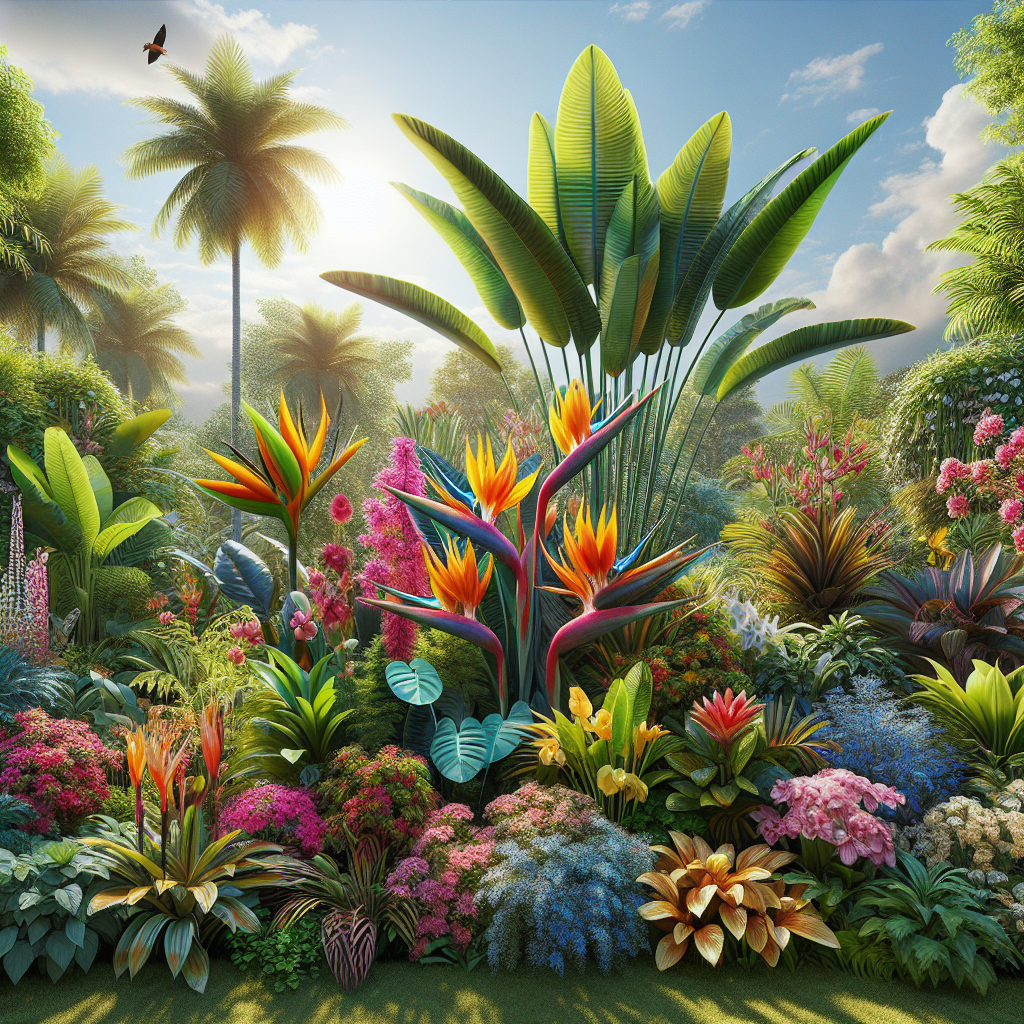
When it comes to gardening in temperate zones, few places extend as delightful an opportunity for tropical plant enthusiasts as Zone 9b. With its warm winters and long growing season, this zone offers a tantalizing array of plants that can transform your landscape into a lush, vibrant paradise. In this exhaustive guide, we’ll explore what makes Zone 9b’s tropical plants so unique, answer frequently asked questions, and delve into how to cultivate these beauties for optimal growth and aesthetics.
What is Zone 9b?
USDA Plant Hardiness Zone 9b is characterized by an average annual minimum temperature of 25°F to 30°F, or -3.9°C to -1.1°C. This mild climate allows for a rich variety of plant life, particularly tropical, subtropical, and exotic species. For avid gardeners, this means you can grow plants that wouldn’t survive in harsher climates.
Why Choose Tropical Plants for Zone 9b?
Tropical plants offer a myriad of benefits, making them an appealing choice for gardeners in Zone 9b:
-
Diverse Aesthetics: Tropical plants are known for their striking foliage and colorful blooms, which can enhance any garden’s visual appeal.
-
Biodiversity: Incorporating tropical plants supports biodiversity, attracting birds, bees, and butterflies that contribute to a healthy ecosystem.
-
Extended Growing Season: The warmer climate of Zone 9b allows for longer growing periods, which means more time to enjoy your garden’s bounty.
-
Exotic Flavor: Many tropical plants produce edible fruits and vegetables, making them an exciting addition for culinary enthusiasts.
-
Low Maintenance Options: Some tropical plants are relatively drought-tolerant and pest-resistant, requiring less care compared to traditional garden varieties.
Key Considerations for Growing Tropical Plants in Zone 9b
Understanding the environment in which you’re growing tropical plants will help you make informed decisions and set you up for success. Here are some considerations:
Soil Quality
Tropical plants prefer well-draining, nutrient-rich soil. You may want to add organic compost, peat moss, or other natural fertilizers to improve soil texture and fertility.
Sunlight Requirements
Most tropical plants thrive in full sun, but some do well in partial shade. Understanding each plant’s light requirements is crucial for healthy growth.
Watering Needs
While many tropical plants enjoy humidity, overwatering can lead to root rot. It’s essential to find a balance, ensuring that the soil is consistently moist but not waterlogged.
Pest Management
From aphids to spider mites, tropical plants can attract various pests. However, certain natural remedies or organic insecticides can help maintain healthy plants.
Frequently Asked Questions About Zone 9b Tropical Plants
1. What types of tropical plants can I grow in Zone 9b?
Zone 9b allows for a diverse selection of tropical plants. Some popular choices include:
-
Banana Plants (Musa spp.): Known for their large leaves and delicious fruit, bananas thrive in sunny locations and can grow up to 15 feet tall.
-
Bird of Paradise (Strelitzia reginae): This stunning plant features dramatic flowers reminiscent of exotic birds and can grow well in containers or garden beds.
-
Hibiscus: Renowned for its vibrant flowers, hibiscus can add a beautiful tropical feel to any garden. They are relatively easy to care for and attract pollinators.
-
Palms: From the majestic Queen Palm (Syagrus romanzoffiana) to the more petite Pygmy Date Palm (Phoenix roebelenii), there’s a palm for every garden aesthetic.
-
Tropical Fruit Trees: Consider growing mangoes, papayas, and citrus trees, which not only beautify your landscape but also produce delicious fruits.
2. How do I protect my tropical plants during the winter?
In Zone 9b, winters are generally mild, but occasional cold snaps can occur. Here are some strategies to safeguard your plants:
- Mulch: Use organic mulch to insulate the roots and retain moisture.
- Row Covers: Consider using lightweight frost cloths to provide additional warmth on particularly cold nights.
- Container Gardening: If possible, grow tropical plants in pots to easily move them to a sheltered location during cold spells.
3. What are the best planting practices for tropical plants?
- Seasonal Timing: Late spring to early summer is the best time for planting tropical species, ensuring they have the entire growing season to establish roots.
- Proper Spacing: Ensure adequate spacing between plants for air circulation, preventing issues like fungal diseases.
- Regular Feeding: Feed your tropical plants with a balanced fertilizer every few weeks during the growing season to promote lush growth and vibrant blooms.
4. Can I grow tropical plants indoors in Zone 9b?
Yes, many tropical plants can be grown indoors, benefiting from the warm temperatures of Zone 9b. However, be mindful of their light needs—most will thrive near a window that receives ample sunlight.
5. Are there any challenges with growing tropical plants in Zone 9b?
While the advantages are numerous, challenges can include:
- Pest Issues: Warmer climates can lead to increased pest populations, requiring diligent monitoring and management.
- Humidity Levels: Some tropical plants prefer higher humidity, which might necessitate occasional misting or the use of humidifiers, especially in indoor settings.
- Soil Quality: Poor soil can hinder growth; regular amendment and testing can help maintain optimal growing conditions.
Popular Tropical Plants for Zone 9b
Now that you know the basics, let’s delve into some popular tropical plants you might consider adding to your garden or indoor space:
1. Ornamental Bananas (Musa spp.)
Known for their large, sleek leaves and towering stature, ornamental bananas bring a tropical vibe to any landscape. They can reach heights of 10 to 15 feet, making them ideal for creating striking focal points.
Care Tips: Provide full sun and rich, well-draining soil. Keep the soil consistently moist, especially in hot summer months.
2. Yuccas (Yucca filamentosa)
Though sometimes mistaken for a tropical plant, yuccas are quite hardy and thrive in well-draining soil with minimal water. Their sword-like leaves and tall flower spikes add architectural interest to gardens.
Care Tips: Yuccas prefer full sun and can thrive on neglect, making them a wonderful low-maintenance option.
3. Ginger (Zingiber spp.)
Ginger brings not only beauty but also culinary benefits. With beautiful foliage and flowering spikes, ginger grows well in partial shade, making it a versatile choice.
Care Tips: Keep the soil well-draining and consistently moist, but never soggy. Lightly fertilize during the growing season for improved growth.
4. Ferns (Various species)
Ferns add exquisite texture and fill shady areas beautifully. Varieties such as Boston Ferns or Bird’s Nest Ferns thrive in humid, shaded locations, providing a lush backdrop to other more colorful tropical plants.
Care Tips: Keep the soil consistently moist and provide indirect light to prevent leaf scorch.
5. Hibiscus (Hibiscus rosa-sinensis)
With their large, flamboyant flowers available in myriad colors, hibiscuses can serve as attention-grabbing focal points. They can be grown as shrubs or small trees.
Care Tips: They thrive in full sunlight and should be watered regularly to maintain healthy blooms.
Practical Tips for Growing a Tropical Garden
Prepare Your Space
- Choose the Right Location: Identify areas in your garden that receive adequate sunlight and, if possible, some protection from wind.
- Soil Amendments: Enhance your soil with organic matter, such as compost or well-rotted manure, to create an optimal growing environment.
Effective Planting Techniques
- Digging Holes: Make sure your holes are wide enough (at least twice the width of the root ball) but not too deep to avoid drowning the roots.
- Watering After Planting: Water plants generously after planting to help settle the soil around them.
Maintenance Practices
- Regular Pruning: Remove dead or diseased leaves to promote healthier growth and prevent pests.
- Seasonal Fertilization: Feed your tropical plants with a slow-release fertilizer during the growing season for robust growth.
Conclusion
Zone 9b offers a veritable treasure trove of opportunities for gardeners eager to cultivate tropical plants. With careful planning, appropriate care, and an appreciation for the diverse flora available, you can turn your landscape into a vibrant oasis. From the towering banana plants to the delicate hibiscus, the possibilities are endless.
As our world continues to evolve, we are reminded of the importance of biodiversity and the joy that plants bring to our lives—especially tropical plants in a warm climate. So, roll up your sleeves, grab a trowel, and embark on your journey of creating a tropical haven right in your backyard! Enjoy the colors, the scents, and the fruits of your labor. Happy gardening!