
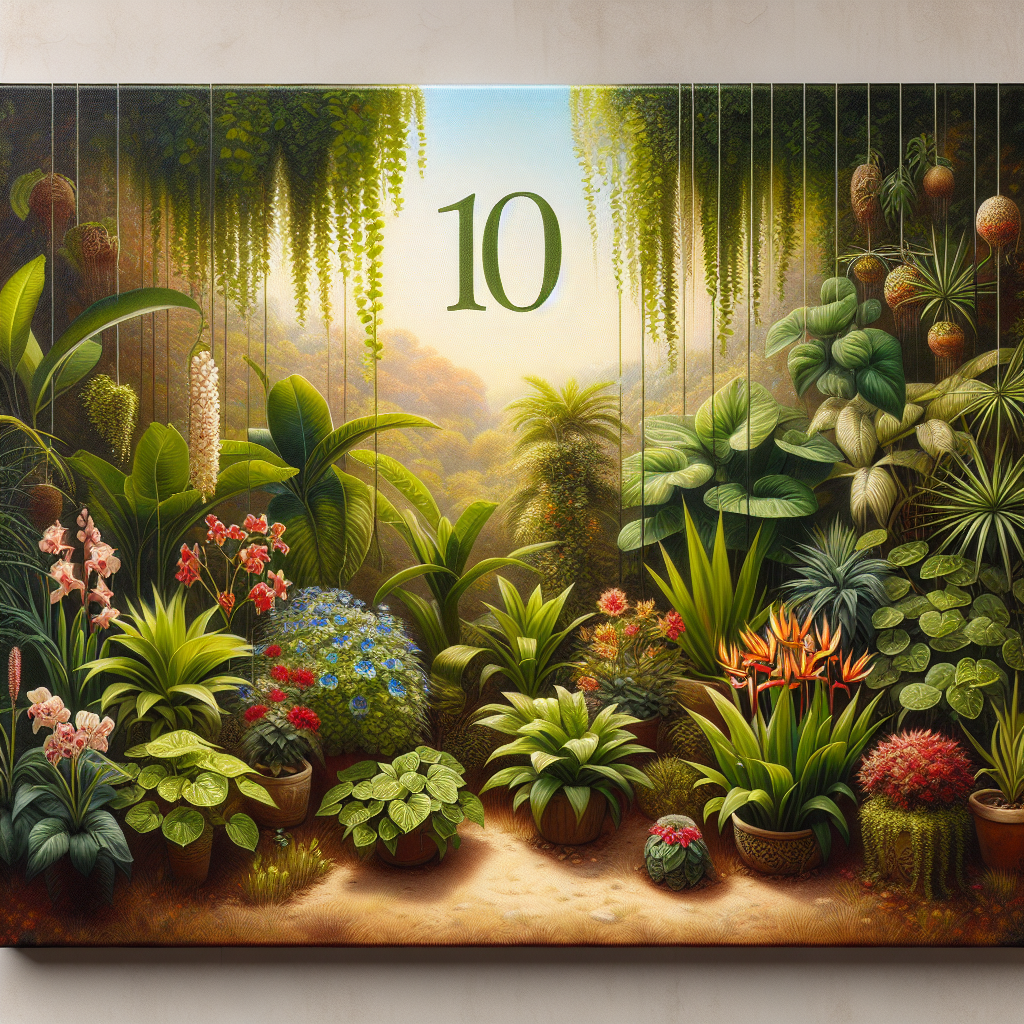
When we think of tropical plants, visions of lush rainforests, vibrant flowers, and stunning foliage often come to mind. However, many gardening enthusiasts in Zone 6—the USDA hardiness zone that covers areas with average minimum winter temperatures ranging from 0°F to -10°F—might feel limited in their selection. Fear not! In this article, we’ll explore the exciting world of tropical plants that can thrive in Zone 6, guide you through their care and maintenance, and answer intriguing questions you may have along the way. Let’s embark on a journey to transform your Zone 6 garden into a tropical paradise!
Understanding Zone 6: A Glimpse into the Climate
Before diving into the realm of tropical plants, it’s essential to understand the climate characteristics of Zone 6. This zone features:
- Winters: Cold, with temperatures potentially dipping to -10°F. However, the weather can vary, and locations within Zone 6 can experience some warmer microclimates.
- Summers: Mild to warm, with average temperatures varying but typically reaching highs of 80°F – 90°F, providing ample growing days for a variety of plants.
- Season Length: Zone 6 usually experiences a growing season of about 180-210 days, allowing hardy tropical plants to flourish during the warmer months.
Knowing these details helps plant lovers choose species that can not only survive but also thrive in this environment.
Why Choose Tropical Plants for Zone 6?
You may wonder why one should consider integrating tropical plants into a Zone 6 garden. Here are some compelling reasons:
-
Aesthetic Appeal: Tropical plants usually boast bright colors, unique textures, and dramatic foliage, enhancing the visual impact of gardens.
-
Versatility in Landscape Design: They can be used as focal points, background fillers, or even in container arrangements for a pop of color.
-
Seasonal Interest: Many tropical plants bloom from summer into fall, giving your garden a burst of life even as others begin to fade.
-
Microclimate Opportunities: While Zone 6 presents challenges, strategic planting near walls or within sheltered areas can create a more favorable microclimate for tropical plants.
-
Sustainable Gardening: Adding tropical plants can attract beneficial insects, such as butterflies and hummingbirds, aiding in pollination and overall garden health.
Top Tropical Plants for Zone 6
Here are some tropical plants that can be grown in Zone 6 with the right care and winter preparation.
1. Canna Lily (Canna indica)
Description
Canna lilies are prized for their lush foliage and striking flowers, which can be red, orange, or yellow. They can grow up to 6 feet tall and are particularly loved for their bold appearance.
Care Tips
- Sunlight: They prefer full sun.
- Soil: Well-drained, rich in organic matter.
- Watering: Keep the soil consistently moist, especially during the growing season.
2. Hardy Banana Plants (Musa basjoo)
Description
Musa basjoo, often referred to as Japanese banana, can tolerate cold temperatures and has large, dramatic leaves.
Care Tips
- Sunlight: Full sun to partial shade.
- Soil: Rich, well-draining soil.
- Winter Preparation: Mulch the base heavily in the fall and wrap in burlap for insulation.
3. Elephant Ear (Alocasia and Colocasia spp.)
Description
Elephant ears are distinguished by their exaggerated leaf size, making them a stunning addition to any garden.
Care Tips
- Sunlight: They thrive in partial to full shade.
- Watering: Keep the soil moist; they love water.
- Winter Care: In colder areas, lift and store tubers indoors during winter.
4. Fatsia Japonica (Japanese Aralia)
Description
Fatsia Japonica has large, glossy green leaves that lend an exotic feel; it can grow up to 10 feet tall.
Care Tips
- Sunlight: Prefers partial shade.
- Watering: Requires moisture but doesn’t like wet feet.
- Winter Care: Mulching around the roots will help protect from harsh winter temperatures.
5. Hibiscus (Hibiscus rosa-sinensis)
Description
With their spectacular blooms, hibiscus plants are an excellent choice for adding color to your garden.
Care Tips
- Sunlight: Full sun is ideal.
- Watering: Keep the soil consistently moist.
- Winter Care: In fall, bring potted plants indoors or mulch well if planted outside.
6. Tropical Sage (Salvia elegans)
Description
Tropical sage is valued for its aromatic leaves and bright red flowers, attracting pollinators.
Care Tips
- Sunlight: Full sun.
- Soil: Well-drained soil.
- Watering: Water when the top inch of soil feels dry.
Frequently Asked Questions about Zone 6 Tropical Plants
Q1: Can I grow tropical plants in containers in Zone 6?
A1: Absolutely! Container gardening is a fantastic option since it allows you to move plants closer to your home for added warmth or indoors during winter. Make sure to use high-quality potting mix, provide adequate drainage, and regularly check moisture levels.
Q2: How do I protect my tropical plants during the winter?
A2: Protection methods vary based on plant type:
- Mulching: Add a thick layer of mulch around the base.
- Wrapping: Use burlap or frost cloth to cover sensitive plants.
- Moving Indoors: For container plants, bring them inside before the first frost date.
Q3: Are there any fast-growing tropical plants that can be grown in Zone 6?
A3: Yes! Canna lilies and tropical sage are known for their rapid growth. With ideal conditions—ample sunlight and moisture—you can see significant growth within a single growing season.
Q4: What pests should I watch for with tropical plants?
A4: Common pests include aphids, spider mites, and whiteflies. Regular monitoring and the application of insecticidal soap or neem oil can help control infestations.
Q5: How can I enhance soil for tropical plants?
A5: Incorporate organic matter like compost or well-rotted manure to improve soil fertility and drainage capabilities. Soil testing can also provide insights into nutrient needs.
Q6: Can tropical plants attract wildlife?
A6: Yes! Many tropical plants attract pollinators like bees and butterflies, as well as birds that feed on nectar. Creating such an environment can enhance biodiversity in your garden.
Q7: When is the best time to plant tropical plants in Zone 6?
A7: Late spring, after the last frost date, is the ideal time to plant tropical species in Zone 6. This allows the plants to establish roots during the warmer months.
Mixing Tropical with Native Plants
One of the trends in modern gardening is blending tropical plant species with native varieties. The combination of tropical and native plants can create a striking contrast, building an ecological balance and providing shelter for wildlife. For example, pairing hardy hibiscus with native ferns or wildflowers can result in a lush, diverse garden ecosystem. Use this synergy to your advantage by ensuring you select plants that have compatible light, soil, and moisture preferences.
Practical Tips to Start Your Tropical Adventure
-
Choose Wisely: Start small by selecting a few tropical plants that appeal to you. Observe how they adapt to your garden before introducing more.
-
Experiment with Microclimates: Identify sheltered areas in your garden that may retain warmth better, such as south-facing walls or near stone paths.
-
Stay Informed: Keep track of planting dates, seasonal changes, and your plants’ physiological needs. Gardening is a learning experience, and observing your plants will help you become adept.
-
Engage with the Community: Join local gardening clubs or online forums specific to Zone 6. Sharing experiences and advice can greatly enhance your gardening knowledge.
-
Document Your Journey: Take photos of your plants from season to season and maintain a gardening journal. This can help you understand what works best in your garden.
Conclusion: Your Zone 6 Tropical Oasis Awaits
Creating a tropical garden in Zone 6 is not just a dream; it’s an attainable goal filled with vibrant colors, fascinating textures, and seasonal pleasures. With careful planning, the right plant choices, and proper seasonal care, you can cultivate a stunning tropical escape right in your backyard. Dive into the joy of gardening—select your tropical plants, embrace the challenge, and watch as your garden blooms into a beautiful oasis that celebrates nature’s exuberance.
Whether you are a seasoned gardener or a novice just starting, these tropical plants offer an opportunity to reimagine your outdoor space and bring a taste of the tropics to your life, even in the heart of winter. Embrace the challenge of growing tropical plants in Zone 6, and you may find that not only are you enhancing your home’s aesthetic, but you’re also creating a space brimming with life, color, and joy. Happy gardening!