
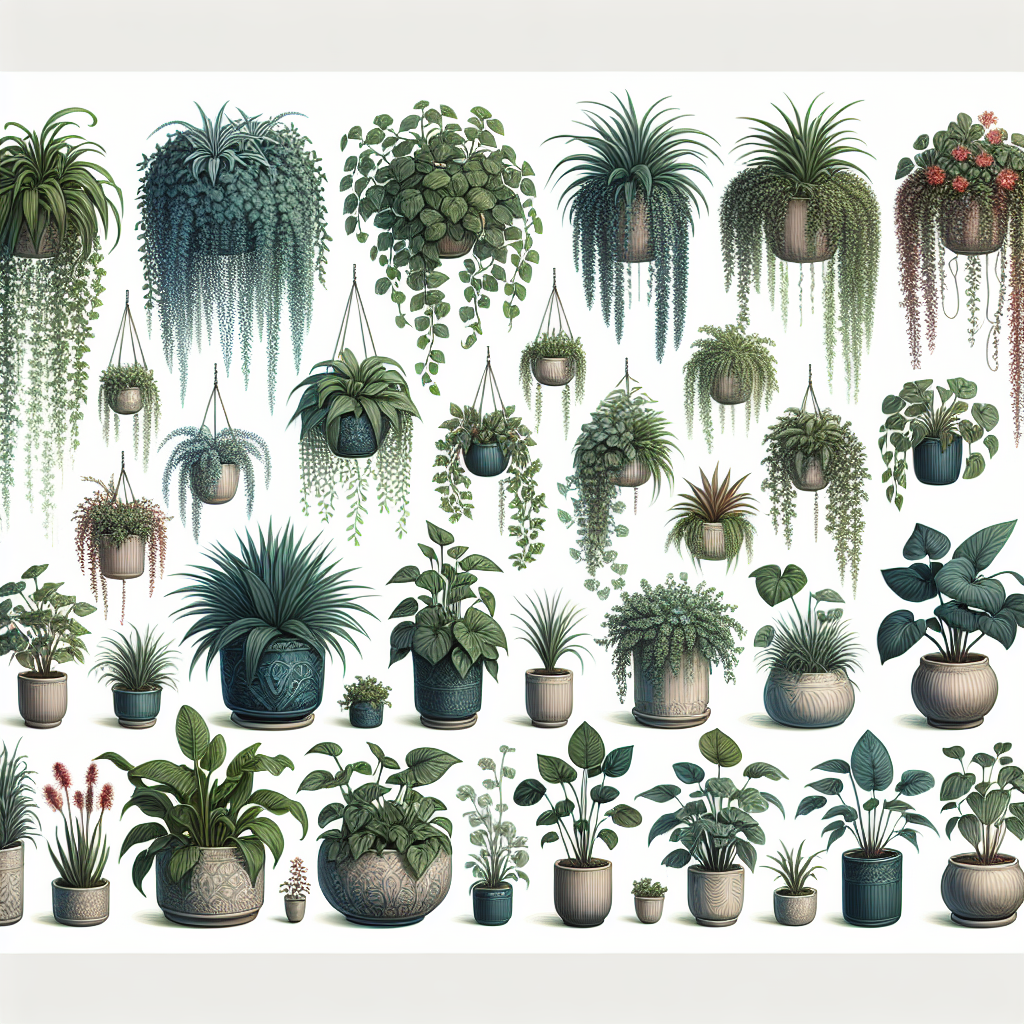
In the world of gardening and indoor decor, plants are more than just green companions. They have the power to transform our spaces, bring life into our homes, and promote a sense of well-being. Among the myriad of plant types, cascading or draping plants hold a special place due to their unique ability to soften hard edges, fill empty spaces, and create beautiful, layered displays. This detailed guide explores the fascinating world of draping plants, answering essential questions and shedding light on care, styles, and the overall benefits of incorporating these beautiful botanical wonders into your life.
The Allure of Draping Plants
Draping plants, often referred to as trailing or cascading plants, have stems that extend downwards from their pots. This could be from hanging baskets, wall-mounted containers, or traditional pots placed on tables and shelves. The appeal lies in their enchanting ability to create a cascading effect, making them perfect for adding dimension to any space.
Why Choose Draping Plants?
- Visual Softness: Draping plants bring a gentle touch to hard materials like wood and metal, creating a more inviting environment.
- Space Optimization: These plants are ideal for small spaces where horizontal surface area is limited but vertical growth potential is vast.
- Variety: With hundreds of species available, there’s a trailing plant to match every style, color scheme, and lighting condition.
- Air Quality Improvement: Most houseplants, including draping varieties, purify the air by absorbing toxins and releasing oxygen.
Plant Examples
There are many draping plants that can thrive in various conditions, each with unique characteristics. Here are some popular choices:
-
Pothos (Epipremnum aureum)
- Characteristics: Known for its vibrant, heart-shaped leaves, pothos can adapt to various light conditions and is almost indestructible. It can grow several feet long, creating a lush green cascade.
- Care: Moderate watering; let the top inch of soil dry out between waterings. Thrives in indirect light but can tolerate low light.
-
String of Hearts (Ceropegia woodii)
- Characteristics: This charming succulent features delicate, heart-shaped leaves that dangle on thin stems, often producing small, tubular flowers. It’s perfect for hanging baskets.
- Care: Requires bright, indirect light and infrequent watering, allowing the soil to dry out completely between sessions.
-
English Ivy (Hedera helix)
- Characteristics: Recognized for its classic green leaves and adaptability, English ivy can grow long trails and is often used in various indoor and outdoor settings.
- Care: Prefers cool conditions and moderate watering, thriving in bright but indirect sunlight.
-
Tradescantia (Tradescantia zebrina)
- Characteristics: Known for its striking purple and green variegated leaves, tradescantia is a fast-growing plant that adds color and character to any arrangement.
- Care: Likes bright light but can adapt to lower light; keep the soil slightly moist but not soggy.
-
Spider Plant (Chlorophytum comosum)
- Characteristics: Spider plants produce “baby” plants that dangle down, resembling cascading waterfalls. They are easy to grow and note-worthy for their air-purifying abilities.
- Care: Thrives in indirect sunlight and should be watered when the topsoil feels dry.
Plant Care Essentials
How to Properly Care for Draping Plants
-
Lighting Requirements: Ensure you position your draping plants in a spot that receives the appropriate light. This varies from plant to plant. For instance, pothos can thrive in low light, while string of hearts prefers brighter conditions.
-
Watering: The general rule is to wait for the top inch of soil to dry before watering again. Overwatering can lead to root rot, so always err on the side of caution.
-
Humidity and Temperature: Most draping plants prefer a humid environment. Regular misting can help, especially during dry months. Additionally, keep them in temperatures between 65°F and 85°F (18°C to 29°C).
-
Soil and Fertilizer: Use a well-draining potting mix for potting draping plants. A combination of peat, perlite, and vermiculite generally works well. Fertilize once a month during the growing season (spring and summer) with a balanced, water-soluble fertilizer.
-
Pruning: Regularly trimming your draping plants will encourage bushier growth and prevent them from becoming leggy.
When Should You Repot?
Repotting is essential for plants that outgrow their pots. Signs include roots emerging from drainage holes, stunted growth, and soil that dries out quickly.
- Wait until spring: This is the optimal time for repotting.
- Choose a slightly larger pot: Moving to a container that is 1-2 inches wider in diameter is sufficient without overwhelming the plant.
- Repotting Steps:
- Gently remove the plant from its pot.
- Loosen the root ball, removing any dead roots.
- Place in the new pot with fresh soil.
Styling Your Draping Plants
What Are the Best Ways to Display Draping Plants?
-
Hanging Baskets: One of the most classic ways to showcase draping plants is using hanging baskets. They look beautiful when suspended near windows, where they can cascade elegantly.
-
Wall Planters: Vertical garden wall planters are an innovative approach to extending your green space. Mounting pots on a wall allows draping plants to grow with the support of the structure.
-
Shelves and Ledges: Placing pots on shelves allows the trailing plants to cascade over the edges, creating a dramatic green layer. Position them appropriately to ensure they get adequate light.
-
Table Centerpieces: Use draping plants as centerpieces on coffee tables or dining tables; they add warmth and character to spaces.
-
Terrariums: Some smaller trailing plants can thrive in terrariums, making for unique and visually stunning indoor gardens.
How Can I Combine Multiple Plants in One Space?
Combining different draping plants can create an exciting visual impact. To do this successfully:
- Color Coordination: Choose plants with complementary colors. For example, pairing a dark green pothos with a variegated tradescantia can look striking.
- Texture Difference: Mix thick-leaved plants with delicate trailing ones to add depth and variety.
- Same Light Requirements: Group plants that require similar lighting and watering needs for ease of care.
The Psychological Benefits of Houseplants
Why Are Draping Plants Good for Mental Health?
-
Aesthetic Pleasure: The visual beauty of plants can enhance mood and fill us with joy. Cascading plants contribute to a dynamic and lively ambiance.
-
Stress Reduction: Interacting with plants, whether watering or pruning, has been shown to reduce stress and promote relaxation.
-
Increased Productivity: Studies indicate that incorporating greenery into our workspaces can improve focus and productivity.
-
Connection to Nature: City dwellers especially benefit from the presence of plants, allowing them to connect with nature despite living in urban areas.
-
Air Quality Improvement: By absorbing toxins and converting CO2 back to oxygen, draping plants contribute to better indoor air quality, which in turn can lead to a clearer mind.
Common Concerns About Draping Plants
What Pests Should I Be Aware Of?
-
Spider Mites: Small, sap-sucking pests that thrive in dry conditions. Look for small webs and fine yellow spots on leaves.
- Solution: Use insecticidal soap or neem oil to treat infestations.
-
Mealybugs: White, cottony pests that can infest the stems and leaf joints.
- Solution: Wipe affected areas with a cotton swab dipped in alcohol.
-
Aphids: Tiny, green bugs that can cluster on young growth.
- Solution: Spray with a strong stream of water to dislodge them, or use insecticidal soap.
What Do I Do If My Plant Starts to Look Sick?
-
Identify Symptoms: Yellowing leaves may indicate overwatering, while curling leaves can signal underwatering or pests.
-
Assess the Environment: Check if the light conditions are adequate and if your watering schedule needs alteration.
-
Check for Pests: Regular inspection can help you catch and address infestations early.
-
Repot: If the roots are crowded, repotting into fresh soil may revive a struggling plant.
Frequently Asked Questions
1. Can draping plants be grown outdoors?
Absolutely! Many trailing plants thrive outdoors in conditions similar to their natural environments. Check your local climate to see which varieties can be grown year-round or as seasonal accents.
2. Do draping plants attract insects?
While these plants can attract pests like aphids and mealybugs, good care practices (like ensuring proper watering and light levels) can minimize pest issues. Regular inspection and cleaning of leaves will also help keep insects at bay.
3. How can I propagate draping plants?
Propagation techniques vary by plant. For many, such as pothos and tradescantia, take cuttings of healthy stems, dip them in rooting hormone, and place them in water or direct soil. Keep them in bright, indirect light, and you’ll have new plants in no time!
4. Are draping plants safe for pets?
Some plants are non-toxic to pets, while others may cause issues. Check each specific plant to understand its safety before introducing it to a pet-friendly home.
5. How fast do draping plants grow?
Growth rates vary by species and care conditions. For example, pothos can grow several inches per month under optimal conditions, while succulents like the String of Hearts grow slower.
Conclusion
Draping plants are more than just a design statement; they are lively, green friends that can improve your environment and mental well-being. Whether hanging from a ceiling, draping over a shelf, or trailing from a pot, these plants have the ability to soften spaces, invite tranquility, and purify the air we breathe. Their diverse care needs and visual appeal make them suitable for both amateur gardeners and experienced plant enthusiasts.
As you consider adding draping plants to your home, remember that each plant comes with its quirks and requirements; the more you know about your green companions, the more successful you’ll be in caring for them. Embrace the magic of cascading plants, and let them elevate your living space into a lush, vibrant oasis.