
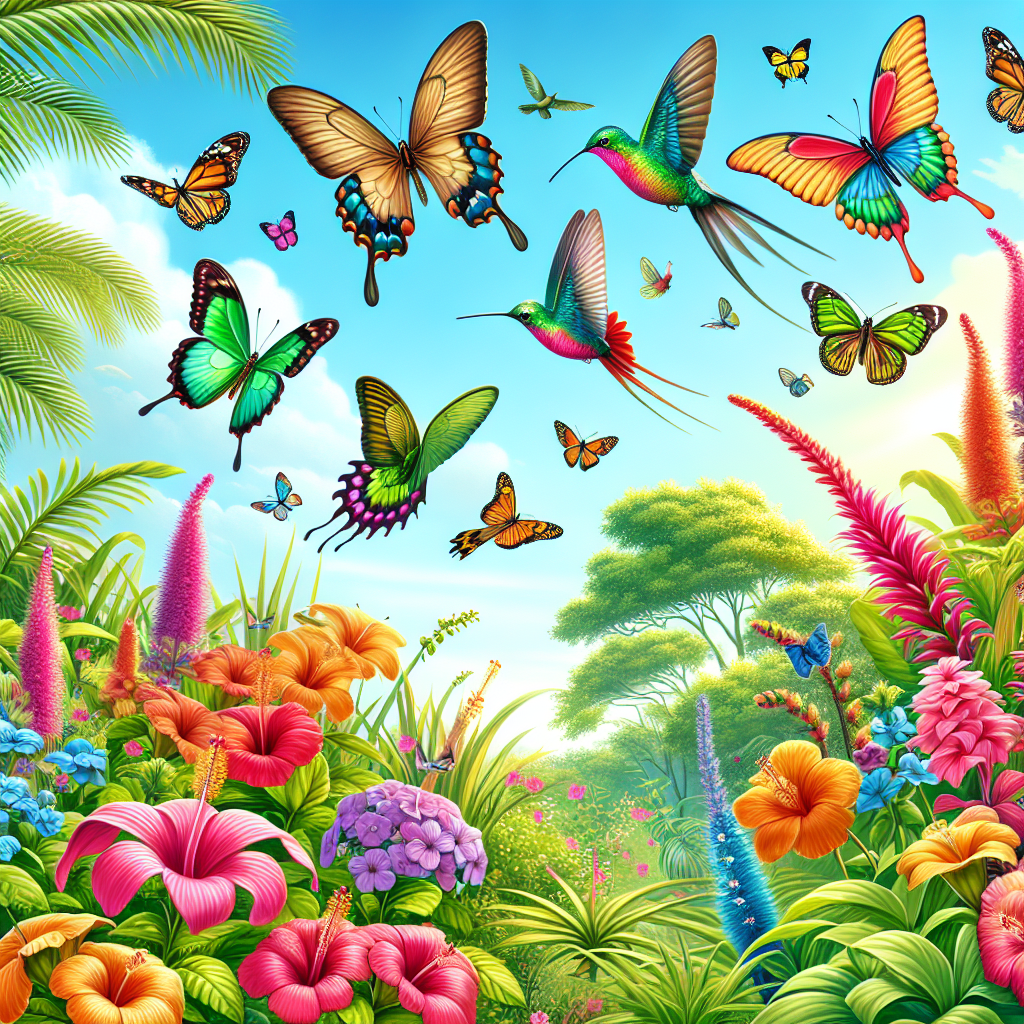
Florida is a haven for biodiversity, characterized by its warm climate and diverse ecosystems that provide an ideal environment for various species, including butterflies and hummingbirds. These beautiful creatures not only add color to our landscapes but also play pivotal roles in pollination, supporting a healthy ecosystem. If you’re looking to enhance your garden or landscape while attracting these magnificent pollinators, you’ve come to the right place. This comprehensive guide explores plants that will attract butterflies and hummingbirds in Florida, while also answering common questions about these fascinating insects and birds.
The Importance of Butterflies and Hummingbirds
Why Attract Butterflies?
Butterflies are not only visually appealing but also crucial for the health of our ecosystems. They are essential pollinators for many flowering plants, helping to produce fruits and seeds. Some butterfly species in Florida include the iconic Monarch, Swallowtail, and Zebra Longwing. Attracting them to your garden can improve biodiversity and contribute to the environmental health of your area.
Why Attract Hummingbirds?
Hummingbirds are marvels of nature, renowned for their incredible agility and vibrant plumage. These small birds are also key pollinators, with their unique adaptations allowing them to feed from flowers in a way that benefits both parties. In Florida, species like the Ruby-throated Hummingbird and Black-chinned Hummingbird can often be seen flitting about gardens. Their presence is also enjoyable for birdwatching enthusiasts and families alike.
Creating a Butterfly and Hummingbird Haven
To attract butterflies and hummingbirds to your yard, you’ll want to create a suitable habitat. Here are some essential components to consider:
1. Native Plants: The Best Choice
Using native plants is crucial for attracting butterflies and hummingbirds. Native plants are adapted to local soil, weather conditions, and ecosystems, making them more resilient and beneficial to local wildlife. They provide nectar sources for birds and butterflies while serving as host plants for caterpillars.
2. Diversity is Key
A diverse selection of plants will attract a wider range of species. Consider incorporating flowers of different shapes, colors, and blooming times to ensure there’s always something in bloom.
3. Water Sources
A small water feature, birdbath, or simply a dish filled with water can entice hummingbirds and provide butterflies with a place to drink.
4. Sunlight and Shelter
Both butterflies and hummingbirds enjoy sunny gardens. Choose a site with full sun for the majority of the day and offer shelter through bushes, trees, or ornamental structures where they can rest or hide from predators.
5. Avoid Pesticides
The use of pesticides can harm butterflies and hummingbirds. Opt for organic gardening practices to create a safe space for these beneficial pollinators.
Top Plants for Attracting Butterflies and Hummingbirds in Florida
1. Milkweed (Asclepias spp.)
Milkweed is well-known for attracting the Monarch butterfly, which relies on it as a host plant for laying eggs. In addition to Monarchs, many other butterfly species are drawn to its nectar.
- Bloom Period: Summer
- Key Species: Common Milkweed (Asclepias Syriaca), Tropical Milkweed (Asclepias curassavica)
- Growing Conditions: Full sun, well-drained soil
2. Butterfly Bush (Buddleja davidii)
Despite its name, Butterfly Bush is not native to Florida but is still often used in gardens. It attracts a wide range of butterflies with its fragrant flowers.
- Bloom Period: Summer to Fall
- Growing Conditions: Full sun, fertile, well-drained soil
3. Lantana (Lantana camara)
Lantana is a hardy option that thrives in the heat, making it perfect for Florida’s climate. Its small clusters of flowers attract multiple butterfly species and are also appealing to hummingbirds.
- Bloom Period: Year-round
- Growing Conditions: Full sun, drought-tolerant
4. Coral Honeysuckle (Lonicera sempervirens)
This native vine is a magnet for hummingbirds thanks to its tubular flowers. It adds vertical interest to your garden and blooms from late spring to early fall.
- Bloom Period: Late spring to early fall
- Growing Conditions: Full sun to partial shade
5. Turk’s Cap (Malvaviscusa angustifolia)
Turk’s Cap is also a native plant that offers nectar-rich flowers for hummingbirds and serves as a habitat for butterflies. Its striking red, trumpet-shaped flowers bloom throughout the summer.
- Bloom Period: Summer to Fall
- Growing Conditions: Partial shade to full sun
6. Zinnias (Zinnia spp.)
These cheerful flowers are easy to grow and come in a variety of colors. Zinnias attract many butterfly species, making them a bright addition to any garden.
- Bloom Period: Summer to fall
- Growing Conditions: Full sun, well-drained soil
7. Salvia (Salvia spp.)
Several species of Salvia, especially native varieties like Pineapple Sage and Tropical Sage, provide excellent nectar for hummingbirds and butterflies. Their vibrant, tubular flowers are especially attractive.
- Bloom Period: Varied, often summer to fall
- Growing Conditions: Full sun to partial shade
8. Goldenrod (Solidago spp.)
Often overlooked, Goldenrod blooms in late summer and fall, attracting a variety of pollinators, including butterflies. It is a native plant that thrives in sandy soils.
- Bloom Period: Late summer to fall
- Growing Conditions: Full sun, well-drained soil
9. Coneflower (Echinacea spp.)
Coneflowers are hardy perennials that attract a multitude of butterfly species. Their striking shape and vibrant colors add visual interest to your garden.
- Bloom Period: June to September
- Growing Conditions: Full sun, adaptable to various soils
10. Black-eyed Susan (Rudbeckia hirta)
These bright yellow flowers are not only beautiful but also attract various butterflies. They are native and easy to care for, making them an excellent choice for Florida gardens.
- Bloom Period: Summer to early fall
- Growing Conditions: Full sun, well-drained soil
Frequently Asked Questions
Q: How can I create an inviting habitat for butterflies and hummingbirds?
A: To create an inviting habitat, plant a variety of native flowering plants that attract these pollinators, provide ample sunlight and shelter, and avoid using pesticides. Adding a water feature and ensuring continuous blooms throughout the growing season can enhance the attraction.
Q: What is the best time to plant flowers that attract butterflies and hummingbirds?
A: Spring is typically the best time to plant these flowers in Florida, as this allows for optimal growth and blooming seasons that coincide with the arrival of butterflies and hummingbirds.
Q: Will butterflies and hummingbirds visit my garden if I live in a suburban area?
A: Yes! Butterflies and hummingbirds can thrive in suburban areas, especially if you provide a good source of nectar and suitable habitats. Even small gardens can attract these pollinators if designed correctly.
Q: How do I encourage more butterflies to visit my garden?
A: Ensure you have a variety of nectar-rich flowers, incorporate host plants for caterpillars, and provide sheltered areas for resting. Avoid chemicals that can harm them, and consider planting in clumps to make resources more accessible.
Q: Do I need to create separate areas for butterflies and hummingbirds?
A: No, many plants attract both butterflies and hummingbirds simultaneously. By planting a diverse selection of native plants, you can create a harmonious environment for both groups.
Q: How can I tell if butterflies or hummingbirds are visiting my garden?
A: Look for signs such as fluttering movements, colorful birds hovering near flowers, or the sight of butterflies landing on your plants. Setting up a observation station with a chair can give you plenty of opportunities to watch them.
Q: How do I maintain these plants?
A: Regular care includes watering, deadheading spent blooms, and fertilizing as necessary. Most native plants are low-maintenance, but they can benefit from occasional attention to promote healthy growth.
Q: Are there any plants I should avoid for this purpose?
A: It’s advisable to avoid invasive non-native species that may disrupt the local ecosystem. Check with local gardening centers for recommended native plants and those that are harmful to local wildlife.
Conclusion
Creating a vibrant garden in Florida that attracts butterflies and hummingbirds is not only an enjoyable hobby but also a responsible way to contribute to local biodiversity. By incorporating a selection of native plants and considering the needs of these beautiful pollinators, you can create a lively and enchanting world in your backyard. This not only enhances your outdoor space but also supports vital ecosystems that benefit flora and fauna alike.
By adopting these practices, you and your family can enjoy the beauty and joy that butterflies and hummingbirds bring, while also understanding their significance in our world. Happy gardening!