
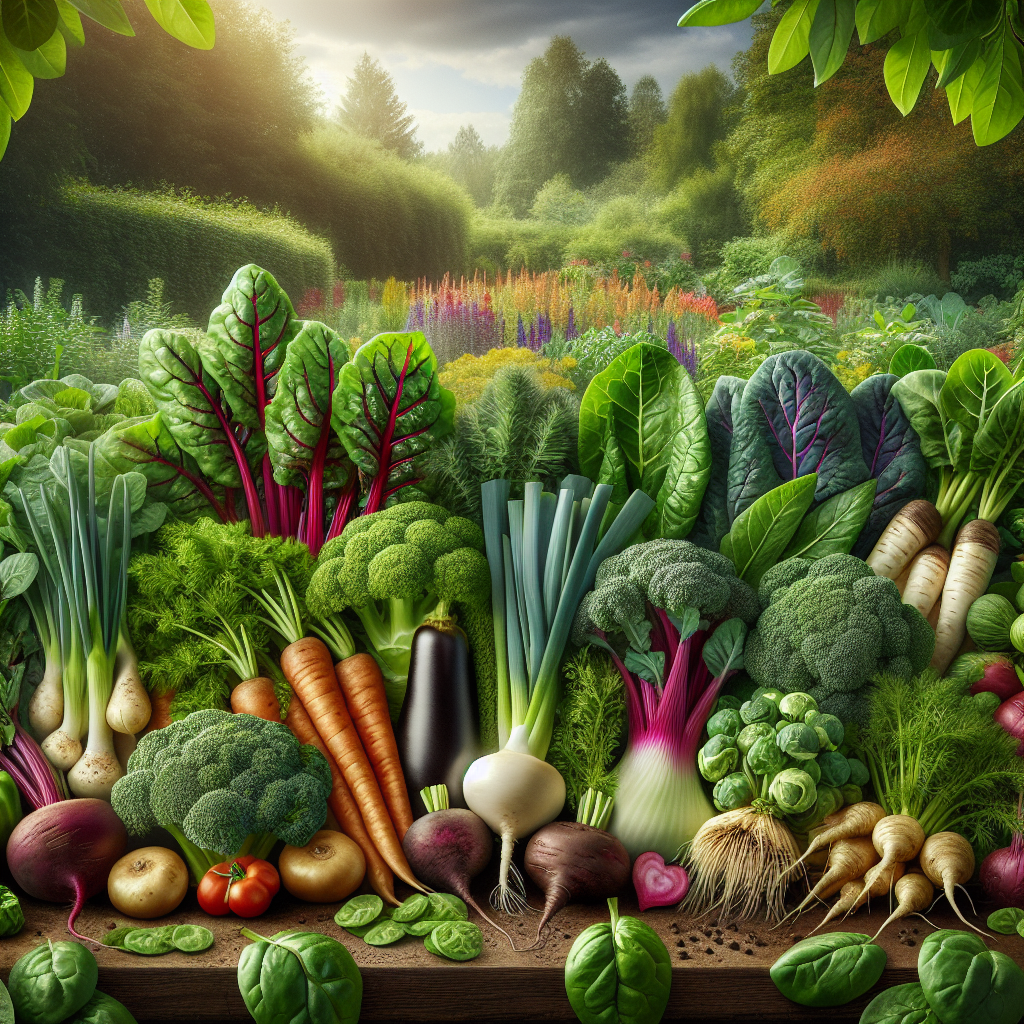
Gardening enthusiasts know that the health of their plants heavily depends on the soil’s pH levels. While many vegetables flourish in slightly acidic to neutral conditions, a select group of plants positively thrives in alkaline soil—typically defined as having a pH above 7. This article provides an extensive look into the world of alkaline soil gardening, focusing on the types of vegetables that excel in such conditions, their benefits, and essential tips for successful cultivation.
Understanding Alkaline Soil
What is Alkaline Soil?
Alkaline soil contains a higher concentration of basic ions, primarily calcium and magnesium, which gives it a pH greater than 7. Alkaline soils can be found in many locations around the world, often influenced by geology, climate, and the organic matter present. These soils can improve plant growth due to the availability of essential nutrients.
Why is Soil pH Important?
Soil pH is crucial for several reasons:
- Nutrient Availability: Different nutrients are available to plants at varying pH levels. For example, iron may become less available in alkaline soils, which can lead to deficiencies in certain plants.
- Microbial Activity: Soil pH affects the types of microorganisms present. Alkaline soils may foster certain beneficial bacteria, thereby enhancing soil fertility.
What Causes Alkaline Soil?
Several factors contribute to the formation of alkaline soil:
- Parent Material: Limestone or gypsum—common in certain geological settings—can elevate the pH.
- Climate: Arid regions often exhibit alkaline soils due to less rainfall, which leads to a concentration of soluble minerals.
- Human Activity: Over-application of lime for soil treatment can also raise pH levels.
Vegetables That Prefer Alkaline Soil
Knowing which vegetables thrive in alkaline conditions allows for better planning and selection tailored to your garden’s soil profile. Below is an in-depth look at specific vegetables that prosper in and prefer alkaline soil.
1. Asparagus
A Nutritional Powerhouse
Asparagus (Asparagus officinalis) is a perennial vegetable that can thrive in a diverse range of soils, but particularly flourishes in alkaline conditions, benefiting from a pH of around 7 to 8.
- Nutritional Benefits: Asparagus is rich in vitamins A, C, E, K, and fiber.
- Growth Considerations: It requires a well-draining soil with ample organic matter.
2. Beets
The Versatile Root
Beets (Beta vulgaris) are another vegetable that favors slightly alkaline soils, making them an excellent choice for gardens with high pH levels.
- Nutritional Benefits: Beets are low-calorie yet high in nutrients, including folate and manganese.
- Growth Considerations: These root vegetables thrive with a soil pH between 6.0 and 8.0.
3. Carrots
Sweet and Crisp
Carrots (Daucus carota) do well in alkaline conditions, with a preference for well-structured soils that promote deep root growth.
- Nutritional Benefits: Packed with beta-carotene, fiber, and antioxidants.
- Growth Considerations: A pH range between 6.0 and 7.0 is ideal, though they can tolerate alkaline conditions.
4. Broccoli
A Brassica Favorite
Broccoli (Brassica oleracea) also enjoys alkaline soils, which allow it to absorb essential nutrients more efficiently.
- Nutritional Benefits: Broccoli is high in vitamins C and K, fiber, and various antioxidants.
- Growth Considerations: Thrives best with a pH of 6.0 to 7.5.
5. Potatoes
Versatile and Tasty
Potatoes (Solanum tuberosum) can adapt to various soil types but exhibit improved quality and yield in alkaline conditions.
- Nutritional Benefits: High in carbohydrates, vitamins C and B6, and other essential nutrients.
- Growth Considerations: Prefer a slightly acidic to neutral pH but can tolerate alkaline soil.
6. Turnips
The Hardy Champion
Turnips (Brassica rapa) are well-suited to alkaline soils, making them an excellent choice for cooler climates.
- Nutritional Benefits: Rich in vitamins C and K, and low in calories.
- Growth Considerations: Prefers a pH range of 6.0 to 7.5.
Soil Amendments for Alkaline Conditions
What Can I Add to Improve Alkaline Soil?
While certain vegetables thrive in alkaline environments, others may struggle. If your soil is on the high pH side, consider adding the following:
- Organic Matter: Composts can help buffer soil pH and improve nutrient availability.
- Sulfate Compounds: Sulfur or aluminum sulfate can help lower pH levels slowly, making it more balanced.
- Compost and Manure: These organic materials not only add fertility but also help improve the overall structure of the soil.
Maintaining the Right pH
How Can I Test My Soil pH?
Before planting, it’s essential to determine your soil’s pH level. You can either:
- Use Home Testing Kits: These kits are widely available and relatively easy to use.
- Send Samples to a Laboratory: More accurate but can take time and involve cost.
What is the Ideal pH for Garden Vegetables?
While the ideal pH varies among different vegetables, a general range (6.0 to 7.5) is usually acceptable. However, for those particularly adapted to alkaline conditions, the following ranges are suggested:
- Asparagus: 7.0 to 8.0
- Broccoli: 6.0 to 7.5
- Beets and Turnips: 6.0 to 7.5
How Often Should I Test My Soil?
Testing your soil pH annually is ideal, especially before planting season. Seasonal adjustments based on plant growth and necessary amendments may also be required.
Best Practices for Growing Vegetables in Alkaline Soil
What are Some Tips for Successful Gardening?
To thrive in alkaline conditions while maximizing yield, consider the following strategies:
-
Choose the Right Vegetables: Opt for the species mentioned earlier that show a preference for alkaline soil.
-
Regularly Amending Soil: Maintain soil health by adding compost and organic materials, which can buffer pH fluctuations.
-
Watering Practices: Ensure consistent watering to prevent stress. Use mulch to retain moisture and regulate temperature.
-
Crop Rotation: Alternate planting patterns each season to prevent nutrient depletion and improve soil structure.
-
Monitor Nutrient Levels: Keep an eye on potential deficiencies, especially micronutrients like iron, which may be less available in alkaline conditions.
Benefits of Growing Vegetables in Alkaline Soil
What Advantages Do Alkaline Soils Offer?
-
Improved Nutrient Availability: Many essential nutrients are more bioavailable in alkaline conditions, helping plants grow robustly.
-
Disease Resistance: Some plants demonstrate better disease resistance when grown in alkaline soils due to favorable microbial populations.
-
Longer Growing Seasons: Alkaline soils often warm quicker in spring, allowing gardeners to plant earlier.
-
Diverse Crop Options: The ability to cultivate a variety of vegetables in alkaline conditions can expand your garden’s offerings.
Troubleshooting Common Issues
What Problems Could Arise?
When gardening in alkaline soils, some challenges may emerge:
-
Nutrient Deficiencies: Symptoms such as chlorosis (yellowing leaves) often indicate nutrient imbalances.
-
Weed Competition: Weeds may thrive in alkaline soils, so maintaining a clean garden bed is essential.
-
Soil Compaction: Regularly tilling and incorporating organic matter can help alleviate compaction.
Q&A: Frequently Asked Questions about Alkaline Soil Gardening
Q: Can I grow acidic soil-loving plants in alkaline soil?
A: While some acidic-loving plants may survive, they will likely struggle to thrive, exhibiting stunted growth and nutrient deficiencies. It’s best to choose alkaline-tolerant species.
Q: How can I lower the pH of my alkaline soil?
A: Adding sulfur, peat moss, or ammonium-containing fertilizers can help lower soil pH over time.
Q: What plants compete well with vegetables in alkaline soil?
A: Many herbs, such as rosemary and lavender, are well-suited to alkaline soil and can complement vegetable gardens nicely.
Q: Are there specific pests and diseases associated with alkaline soils?
A: Generally, certain soil-borne diseases may be less prevalent in alkaline conditions, but monitoring for common pests and diseases like aphids or powdery mildew is still necessary.
Conclusion
The benefits of growing vegetables in alkaline soil extend beyond simple cultivation. With a better understanding of soil science, proper plant selection, and effective gardening techniques, anyone can enjoy a productive and diverse garden. Vegetables like asparagus, beets, broccoli, and more can thrive in these conditions, providing nutritious produce while enhancing soil health. Happy gardening!