
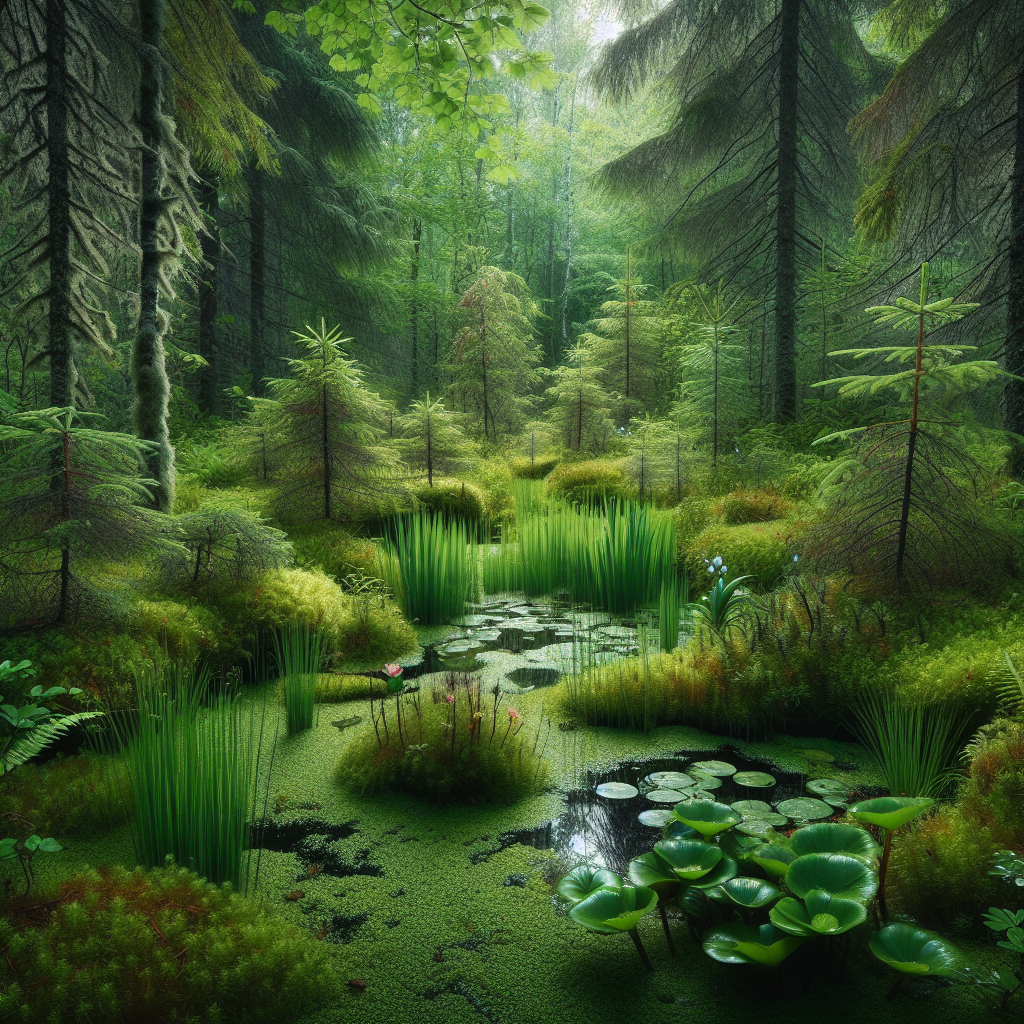
Creating a thriving bog garden is an excellent way to appreciate the beauty of wetland ecosystems. Among the numerous plants available for these gardens, evergreen species offer a unique year-round interest. This article delves deep into evergreen bog garden plants, addressing common questions, offering valuable tips, and showcasing the benefits of designing a sustainable and beautiful environment.
What is a Bog Garden?
A bog garden is a garden type designed to simulate the conditions of a natural bog, which is characterized by waterlogged soil and high acidity. The primary goal of such a garden is to maintain a constant supply of moisture while providing suitable conditions for bog-loving plants. This design strategy not only enhances biodiversity but also creates a unique microhabitat that supports various flora and fauna.
What Makes Evergreen Plants Special in Bog Gardens?
Evergreen plants retain their foliage year-round, providing visual interest even during the winter months when many plants lie dormant. For bog gardens, evergreen species can offer several benefits:
- Year-Round Coverage: Evergreen varieties maintain a green appearance regardless of the season, creating a visually pleasing environment.
- Soil Stabilization: The root systems of evergreen plants help retain soil moisture and prevent erosion.
- Habitat for Wildlife: Evergreens provide year-round shelter and food sources for various bird and insect species.
- Temperature Regulation: The foliage can help regulate temperature, creating a more stable microenvironment for other plants.
Essential Conditions for a Thriving Bog Garden
Before diving into plant options, understanding the essential requirements for a bog garden is vital:
1. Soil Composition
The soil should be a mixture of peat moss, perlite, and coir to maintain a high level of acidity and moisture retention. Traditional garden soil is not suitable for bog plants.
2. Water Supply
Constant moisture is critical for a bog garden. You can achieve this via natural rainfall or by creating a setup to retain water, such as a pond liner.
3. Light Conditions
Ideally, a bog garden should receive partial sunlight. Many bog plants thrive in dappled light rather than full sun.
4. Drainage
While bog gardens require moisture, they also need well-draining soil to prevent root rot. Consider creating raised beds or contours to manage drainage effectively.
5. Microclimate Management
Planting nearby trees or shrubs can help create varying microclimates, beneficial for different plant species.
Top Evergreen Bog Garden Plants
Now that you understand the foundation for a successful bog garden, let’s explore some evergreen plants that thrive in this unique environment.
1. Sphagnum Moss (Sphagnum spp.)
Characteristics
Sphagnum moss is a crucial component of bogs. It retains more water than any other plant and helps create acidic soil conditions.
Benefits
- Water Retention: Excellent at holding moisture.
- Soil Acidification: Lowers soil pH, attracting acid-loving plants.
Care Tips
Sphagnum can be propagated by dividing existing mats. It prefers partially shaded areas and continuous moisture.
2. Creeping Juniper (Juniperus horizontalis)
Characteristics
This low-growing evergreen has needle-like, blue-green foliage that appears vibrant all year.
Benefits
- Ground Cover: Acts as an excellent soil stabilizer while preventing weed growth.
- Wildlife Friendly: Provides shelter for small mammals and birds.
Care Tips
Creeping juniper thrives in sandy, acidic soils and requires ample sunlight. Prune to maintain shape and promote denser growth.
3. Wintergreen (Gaultheria procumbens)
Characteristics
Wintergreen is a low-growing shrub with waxy, dark green leaves. Its berries are a notable winter interest and provide food for wildlife.
Benefits
- Edible Berries: The leaves can be used to make tea.
- Cultural Significance: Has historical uses by Indigenous peoples in North America.
Care Tips
This plant thrives in acidic, well-drained soil and requires partial to full shade. Regular watering ensures healthy growth.
4. Labrador Tea (Rhododendron groenlandicum)
Characteristics
This evergreen shrub features leathery leaves and clusters of white flowers in early summer, offering a delightful fragrance.
Benefits
- Medicinal Properties: The leaves can be steeped to make herbal tea.
- Pollinator Attraction: The fragrant blossoms attract bees and butterflies.
Care Tips
Labrador tea prefers moist, acidic soil and benefits from a shaded area. Regular pruning will enhance its growth and structure.
5. Swamp Azalea (Rhododendron viscosum)
Characteristics
This deciduous azalea is semi-evergreen in warmer climates, featuring fragrant white to pale pink flowers.
Benefits
- Aesthetic Appeal: Provides stunning blooms that attract pollinators in spring.
- Soil Improvement: Its leaf litter can improve soil acidity over time.
Care Tips
Swamp azalea thrives in acidic, moisture-retentive soils and should be planted in partial shade.
6. Bluebell Bellflower (Campanula rotundifolia)
Characteristics
A perennial with bell-shaped blue flowers, this plant remains green into the fall.
Benefits
- Pollinator Magnet: Attracts bees and butterflies.
- Resilient: Tolerates varying moisture levels.
Care Tips
Plant in nutrient-rich, moist soil, ensuring partial sunlight for optimal growth.
7. Japanese Skimmia (Skimmia japonica)
Characteristics
This evergreen shrub has aromatic foliage and red berries that persist through winter.
Benefits
- Fragrance: The foliage offers a lovely scent during warm months.
- Visual Interest: Attractive to birds and beneficial insects.
Care Tips
Japanese skimmia thrives in moist, acidic soils and partial shade. It’s ideal for layering in a bog garden setting.
8. Siberian Iris (Iris sibirica)
Characteristics
With its sword-like foliage and colorful blooms, Siberian iris adds structured beauty to the bog garden.
Benefits
- Pollinator Friendly: Attracts bees and butterflies.
- Visual Drama: Provides height and texture contrast.
Care Tips
Requires consistently moist soil and can tolerate full sun or partial shade.
9. Canadian Bloodroot (Sanguinaria canadensis)
Characteristics
A perennial that emerges in spring, Canadian bloodroot has unique, lobed leaves and white flowers.
Benefits
- Naturalized Appearance: Offers a lovely woodland effect.
- Medicinal Uses: Traditionally used for its medicinal properties.
Care Tips
Prefers rich, moist, well-drained soil and partial shade.
Frequently Asked Questions
1. What are the best companion plants for evergreen bog plants?
Companion plants should have similar moisture and sunlight requirements. Some excellent companions include:
- Marsh Marigold (Caltha palustris): Tall, golden blossoms.
- Joe Pye Weed (Eutrochium purpureum): Attractive to pollinators and adds height.
2. How can I maintain the health of my bog garden?
Regularly inspect plants for signs of disease or pests. Mulching can help retain moisture, and pruning dead foliage encourages new growth. Fertilize sparingly, as bog plants are adapted to nutrient-poor conditions.
3. Can I create a bog garden in a dry climate?
While challenging, it’s possible. You can implement a watering system and choose drought-tolerant bog plants to help sustain them.
4. How do I prevent algae and other unwanted growth in my bog garden?
Ensure proper water circulation and avoid over-fertilization. A balance of full sun and shade can help control algae growth as well.
5. What maintenance do evergreen bog plants require in winter?
Minimal maintenance is required. If in a particularly harsh climate, providing mulch can help protect the root systems from freezing temperatures.
The Ecological Benefits of Bog Gardens
Beyond aesthetics, creating a bog garden holds significant ecological value. Here, we explore some of the merits:
1. Enhanced Biodiversity
Bog gardens support a variety of wildlife, including pollinators, amphibians, and a myriad of beneficial insects.
2. Water Management
They play a role in water management, acting as natural sponges that filter water and prevent flooding.
3. Carbon Sequestration
Bog ecosystems sequester and store carbon, contributing positively to efforts combating climate change.
4. Education and Awareness
Bog gardens can serve as educational tools, promoting awareness about wetlands and their importance in the larger ecological landscape.
Designing Your Evergreen Bog Garden
When designing your bog garden, consider these steps for a successful and sustainable outcome:
1. Plan the Layout
Identify your space’s dimensions and sunlight conditions. Use this information to plan plant placement, ensuring compatibility with each plant’s needs.
2. Water Features
Integrate a water feature not only to provide moisture but also to add sound and movement to the environment. A small pond or stream can enhance the aesthetic.
3. Layering
Incorporate plants of varying heights to create depth and layers. Taller plants should be at the back, while lower-growing species can fill in the front.
4. Mulching
Use organic mulch to retain moisture, suppress weeds, and contribute to the acidity of the soil.
5. Regular Maintenance
Establish a regular care schedule that includes watering, checking for pests, and general garden upkeep.
Conclusion
Evergreen bog garden plants offer innumerable benefits, from providing year-round visual interest to supporting local wildlife. With their minimal maintenance requirements and substantial ecological contributions, they are a unique addition to any garden. By understanding the essential conditions and choosing the right plants, you can create a vibrant and sustainable bog garden that thrives for years to come.
As we strive to implement sustainable practices in our gardens, the creation of a bog garden filled with evergreen plants can serve as a gateway to embracing biodiversity, environmental responsibility, and beauty in our landscapes. Whether you are an experienced gardener or a novice looking for a unique project, the lush world of evergreen bog garden plants awaits you. Happy gardening!