
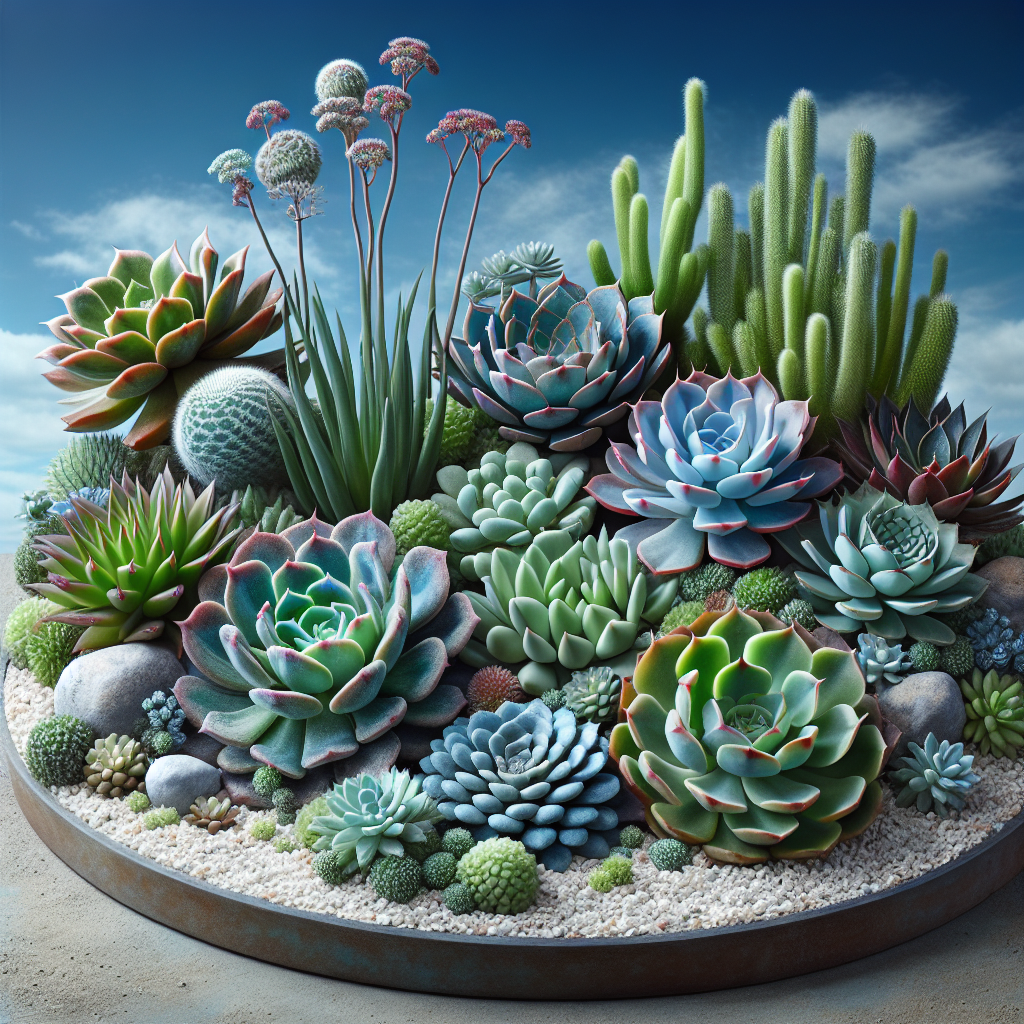
In a world increasingly affected by climate change, where droughts are becoming more common and water conservation is essential, many are turning their attention to drought-tolerant plants. Among these, succulents shine brightly as not just survivors, but as mesmerizing plants that can transform any space into an oasis of vibrant colors and textures. This article will delve into the fascinating world of drought-tolerant succulents, exploring their benefits, care requirements, and the intriguing variety they offer.
Table of Contents
- What Are Succulents?
- The Benefits of Drought-Tolerant Succulents
- Types of Drought-Tolerant Succulents
- Cacti
- Aloe
- Agave
- Echeveria
- Sedum
- How to Care for Drought-Tolerant Succulents
- Watering Guidelines
- Soil Requirements
- Light Conditions
- Designing with Drought-Tolerant Succulents
- Garden Styles
- Container Gardening
- Indoor Spaces
- Common Issues and Solutions
- Creating a Drought-Tolerant Oasis
- Conclusion
- FAQs
1. What Are Succulents?
Succulents are plants that have adapted to store water in their leaves, stems, or roots. This incredible ability allows them to thrive in arid environments where moisture is scarce. They come in various shapes, sizes, and colors, making them a beloved choice among gardeners. Botanically, succulents belong to multiple families, including Cactaceae (cacti), Crassulaceae (stonecrops), and Asphodelaceae (aloe), among others.
What Makes Succulents Unique?
The following characteristics set succulents apart from other plant categories:
- Water Storage: Succulents have specialized tissues that hold water, enabling them to survive prolonged periods of drought.
- Thick Cuticles: Many succulents have thick, waxy skin that minimizes water loss through evaporation.
- Photosynthesis Variation: Some succulents utilize Crassulacean Acid Metabolism (CAM), a process that allows them to photosynthesize at night, reducing water loss during the heat of the day.
2. The Benefits of Drought-Tolerant Succulents
Drought-tolerant succulents come with an array of benefits that extend beyond mere aesthetics:
Environmental Sustainability
In an age of growing environmental awareness, using drought-tolerant succulents can significantly reduce water consumption. They require minimal watering, making them ideal for low-maintenance landscapes.
Versatility
These plants can thrive in various settings, both indoors and outdoors. They come in a myriad of colors, shapes, and sizes, allowing gardeners to create unique displays.
Low Maintenance
Once established, succulents demand a fraction of the care that traditional garden plants do. They are resilient and can withstand periods of neglect, making them perfect for busy individuals or novice gardeners.
Air Quality Improvement
Plants, including succulents, can improve indoor air quality by absorbing toxins and releasing oxygen. Adding succulents to your living space can create a healthier environment.
3. Types of Drought-Tolerant Succulents
The diversity within the succulent family is astonishing. Let’s explore some popular types of drought-tolerant succulents that can enhance your garden or home.
Cacti
Perhaps the most well-known succulents, cacti, are characterized by their thick, fleshy stems and spines, which help protect them from herbivores.
- Popular Varieties:
- Saguaro (Carnegiea gigantea): Iconic for its tall, arm-like branches.
- Bunny Ear (Opuntia microdasys): A unique cactus that resembles rabbit ears.
Aloe
Aloe plants are prized for their medicinal properties, particularly Aloe vera, known for its soothing gel that aids skin healing.
- Popular Varieties:
- Aloe vera: Best known for its healing properties.
- Aloe ‘Blue Elf’: A compact variety that produces stunning orange flowers.
Agave
Agave plants are characterized by their rosettes of thick, pointed leaves. They are often used for architectural landscaping.
- Popular Varieties:
- Agave americana: Also known as the century plant, it can grow quite large.
- Agave parryi: A smaller, more manageable option for gardens.
Echeveria
These rosette-forming succulents are available in multiple colors and shapes, making them popular for decorative arrangements.
- Popular Varieties:
- Echeveria elegans: Known as “Mexican snowball,” it features soft, pale green leaves.
- Echeveria ‘Lola’: Distinct for its beautiful lavender hue.
Sedum
Sedums are hardy succulents that are perfect for ground covers or rock gardens. They are valuable in attracting pollinators.
- Popular Varieties:
- Sedum morganianum: Also known as “burro’s tail,” it has trailing stems.
- Sedum ‘Autumn Joy’: Famed for its stunning fall color changes.
4. How to Care for Drought-Tolerant Succulents
While succulents are famously low-maintenance, they still require some cuidados to thrive. Here are essential care guidelines.
Watering Guidelines
Watering is critical but should be done sparingly. Here are some tips:
- Frequency: Water deeply but infrequently. Succulents typically require watering every 2-4 weeks, depending on your climate and the season.
- Seasonal Adjustments: During growing seasons (spring and summer), increase watering frequency, whereas, in fall and winter, water less.
- Sign of Thirst: Succulents will exhibit wrinkled leaves when they are thirsty.
Soil Requirements
Choosing the right soil is vital for succulent health:
- Well-Draining Mix: Use a cactus or succulent potting mix designed for drainage.
- DIY Mix: For a custom blend, mix standard potting soil with sand or perlite (1 part soil to 1 part sand/perlite).
Light Conditions
Light is a critical factor in succulent care:
- Bright, Indirect Light: Most succulents thrive in bright light but avoid direct afternoon sunlight, which can scorch their leaves.
- Indoor Positioning: Placing them near windows with filtered sunlight is ideal.
5. Designing with Drought-Tolerant Succulents
Incorporating succulents into your landscaping or decor can be a creative endeavor. Here are some innovative ways to do this.
Garden Styles
Consider these garden styles:
- Xeriscaping: This landscape design concept focuses on reducing water usage, perfectly suited to succulents.
- Rock Gardens: Create stunning displays by combining various succulent types with rocks and stones for a more natural look.
Container Gardening
Succulents also thrive in pots. Some considerations include:
- Pot Selection: Choose pots with drainage holes. Terracotta pots are preferable; they allow moisture to escape and prevent root rot.
- Arrangements: Mix different types of succulents for a visually appealing arrangement, considering color, size, and height.
Indoor Spaces
Succulents are perfect for indoor decor:
- Window Sills: Use well-lit window sills for small pots.
- Living Walls: Create vertical gardens by planting succulents in wall-mounted planters.
6. Common Issues and Solutions
Despite their resilience, succulents may face some challenges. Here are common issues and their respective solutions:
Overwatering
Problem: A common mistake, overwatering leads to root rot.
Solution: Ensure proper drainage and allow the soil to dry completely between waterings.
Pest Infestation
Problem: Mealybugs and aphids can sometimes infest succulents.
Solution: Regularly inspect your plants. For infestations, gently wash the affected areas with water or use insecticidal soap.
Sunburn
Problem: Sudden exposure to direct sunlight can cause leaf burn.
Solution: Gradually acclimate new succulents to full sun and provide filtered light until they adjust.
7. Creating a Drought-Tolerant Oasis
Imagine stepping into a garden that bursts with color, texture, and life, yet requires minimal water and effort to maintain. Designing a drought-tolerant oasis with succulents involves careful planning and creativity. Here’s how:
Location Selection
Choose a sunny spot in your garden with good drainage. Areas with rocky or sandy soil are often excellent for succulents.
Plant Combination
Mix different types of succulents, including cacti and agave, for varied textures. Ensure you’re contrasting heights and colors to create visual interest.
Pathways and Borders
Use gravel, stones, or decorative rocks to create pathways between succulent arrangements. This enhances the aesthetic and improves drainage.
Water Features
Integrate a small fountain or birdbath that recycles water. This addition can attract wildlife and boosts the overall ecosystem of your garden.
8. Conclusion
Drought-tolerant succulents represent not only an environmentally friendly option for gardens but also a source of joy and beauty in our lives. With their incredible adaptability, unique aesthetics, and low maintenance requirements, they serve as the perfect solution for both novice and seasoned gardeners alike.
Whether you’re looking to create a lush outdoor garden or a small indoor display, succulents can help you achieve your goals while conserving water and minimizing upkeep. They truly are nature’s resilient masterpieces.
9. FAQs
1. How do I know if my succulent needs water?
Look for signs such as wrinkled or shriveled leaves. Stick your finger in the soil; if it feels dry several inches down, it’s time to water.
2. Can succulents grow in low light?
Most succulents prefer bright light, but some varieties can tolerate low light. However, their growth may be stunted, and they may stretch towards the light.
3. How often should I fertilize my succulents?
Fertilize your succulents during the growing season (spring and summer) with a diluted fertilizer every 4-6 weeks. Avoid fertilizing in the fall and winter.
4. Are succulents safe for pets?
While many succulents are non-toxic, several can be harmful if ingested. Always consult a pet-friendly plant list or a veterinarian.
5. How can I propagate my succulents?
Succulents can be propagated from leaves, cuttings, or offsets. Allow cuttings to dry out and callous over before planting them in soil.
By exploring the world of drought-tolerant succulents, you can cultivate a thriving, beautiful environment while contributing positively to our planet. Happy gardening!