
Introduction
Oklahoma is well-known for its diverse ecosystems, ranging from rolling prairies to rugged foothills. However, the state’s climate features significant periods of drought, making it crucial for gardeners, landscapers, and homeowners to adopt strategies that conserve water while still creating beautiful outdoor spaces. Drought-tolerant plants are the answer, providing sustainable solutions that not only thrive in arid conditions but also enhance the visual and ecological appeal of landscapes. This extensive guide explores the myriad of drought-tolerant plants suitable for Oklahoma, their benefits, care, and other essential elements you need to know.
What Are Drought Tolerant Plants?
Definition and Characteristics
Drought-tolerant plants, often referred to as xerophytes, are species that have adapted to survive with minimal water. These plants exhibit specific characteristics, including:
- Deep Root Systems: Many drought-tolerant plants develop extensive root systems that can access water reservoirs deep in the soil.
- Water Storage: Succulents, for example, store water in their leaves, stems, or roots, allowing them to endure prolonged dry spells.
- Reduced Leaf Surface Area: Smaller leaves reduce transpiration, the process by which water evaporates from the plant.
- Drought-Inducing Chemicals: Some plants produce chemicals that help them retain moisture, further enhancing their drought resistance.
Examples of Drought Tolerant Plants in Oklahoma
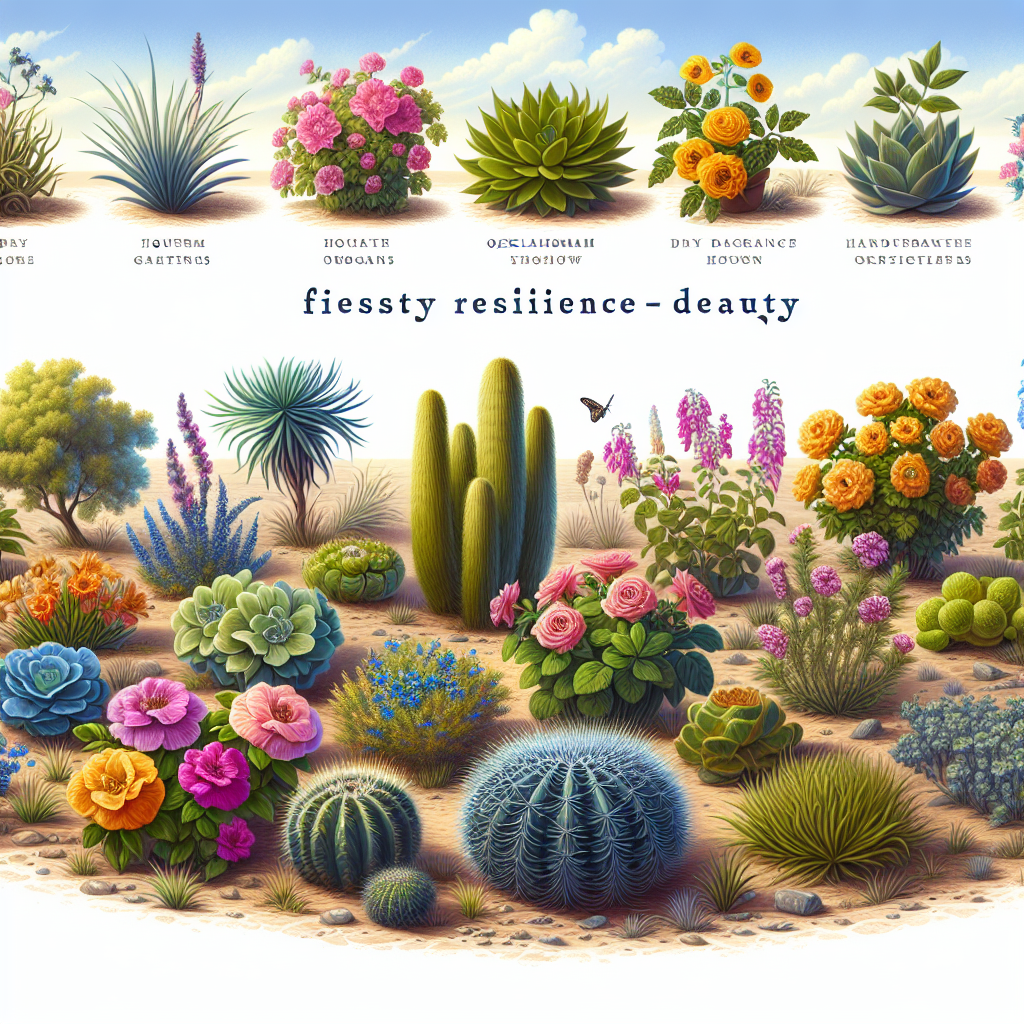
Oklahoma’s native flora provides a rich palette to choose from when selecting drought-tolerant plants. Here are some of the most popular candidates:
-
Purple Coneflower (Echinacea purpurea): Known for its striking purple petals and central cone, this perennial attracts pollinators and thrives in a variety of soils.
-
Black-eyed Susan (Rudbeckia hirta): A hardy perennial with bright yellow petals and a dark center, this plant grows well in full sun and is drought-resistant once established.
-
Rocky Mountain Penstemon (Penstemon strictus): This perennial wildflower is known for its tubular flowers, making it a magnet for hummingbirds and bees.
-
Mexican Sage (Salvia leucantha): A fantastic option for vibrant purple blooms and aromatic foliage, this plant is drought-tolerant and deer-resistant.
-
Little Bluestem (Schizachyrium scoparium): A native grass that provides beautiful autumn color while thriving in dry conditions.
FAQ: How Well Do Drought-Tolerant Plants Perform in Oklahoma?
Q: Will drought-tolerant plants really survive Oklahoma’s extreme weather?
A: Yes, many drought-tolerant plants are well-adapted to the state’s fluctuating weather conditions. Native plants, in particular, have evolved to thrive in Oklahoma’s hot summers and variable rainfall.
Benefits of Drought-Tolerant Plants
Environmental Benefits
- Water Conservation: Drought-tolerant plants require less irrigation, significantly reducing water consumption and aiding in conservation efforts.
- Soil Health: Deep-rooted plants improve soil structure and prevent erosion, contributing to a healthier ecosystem.
- Biodiversity: Native drought-tolerant plants attract a variety of wildlife, including pollinators, birds, and beneficial insects, increasing local biodiversity.
Economic Benefits
- Lower Maintenance Costs: These plants are generally low-maintenance, requiring less frequent watering, fertilization, and pruning.
- Reduced Water Bills: With less irrigation needed, homeowners can save significantly on their water expenses during Oklahoma’s dry seasons.
Aesthetic Benefits
- Year-Round Beauty: Many drought-tolerant plants provide color and texture throughout the seasons, creating dynamic and attractive gardens.
- Unique Landscapes: Incorporating drought-tolerant plants allows for the creation of unique, stunning landscapes that stand out.
Designing with Drought-Tolerant Plants
Planting Strategies
1. Grouping: Plant drought-tolerant species together to make the most of any moisture available and create a cohesive look.
2. Layering: Use taller plants at the back of the garden and shorter plants in the front, creating a visually pleasing arrangement.
3. Mulching: Apply mulch around plants to retain soil moisture, suppress weeds, and regulate soil temperature.
Landscape Ideas
-
Pollinator Gardens: Design a garden full of colorful, nectar-rich flowers like the purple coneflower, butterfly weed, and black-eyed Susan to attract bees, butterflies, and other pollinators.
-
Rock Gardens: Use stones and drought-resistant plants like sedums to create a naturally beautiful rock garden that mimics Oklahoma’s natural landscapes.
-
Mixed Borders: Combine a variety of drought-tolerant perennials with ornamental grasses for an elegant, textured border that requires minimal upkeep.
FAQs: Caring for Drought-Tolerant Plants in Oklahoma
Q: Do drought-tolerant plants still need water?
A: While drought-tolerant plants are designed to survive with less water, they require regular watering during their establishment phase. Once established, they can thrive with minimal water.
Q: How can I tell if my drought-tolerant plants are getting enough water?
A: Signs that your plants may need water include wilting leaves, drooping stems, or dry, cracked soil. Always check the soil moisture before watering.
Q: Can I use native Oklahoma plants in my garden?
A: Absolutely! Native plants are often the best choice for sustainable gardening practices as they are well-adapted to local climate conditions and soil types.
Common Mistakes and Solutions
Mistake #1: Overwatering
Solution: Monitor weather conditions and check soil moisture regularly. It’s better to underwater than overwater drought-tolerant plants.
Mistake #2: Ignoring Soil Quality
Solution: Amend your soil with organic matter to improve drainage and nutrient content. Drought-tolerant plants thrive in well-aerated soils.
Mistake #3: Not Researching Plant Needs
Solution: Understand the specific needs of each plant you select. Some may prefer full sun, while others thrive in partial shade.
Water Management Strategies in the Landscape
Rainwater Harvesting
Collecting rainwater in barrels or cisterns can be an efficient way to water your drought-tolerant garden. This sustainable practice reduces your reliance on municipal water supplies.
Drip Irrigation
Installing a drip irrigation system can provide an efficient way to water drought-tolerant plants directly at their roots. This method minimizes water waste and ensures your plants receive what they need without saturation.
Involving the Community
Community Gardens
Creating or participating in community gardens focused on drought-tolerant plants can educate and raise awareness about sustainable practices. These gardens could serve as living demonstrations for neighbors and residents.
Workshops and Events
Engaging local gardening clubs or universities to host workshops can help spread knowledge about drought-tolerant plants. Sharing experiences and learning together fosters a sense of community while promoting sustainable gardening.
Conclusion
Embracing drought-tolerant plants in Oklahoma is not merely an aesthetic choice but a necessity in our increasingly unpredictable climate. By selecting the right plants and strategies, homeowners and landscape designers can create stunning gardens that thrive on less water while contributing to environmental sustainability.
Ultimately, the choice to plant drought-tolerant species is one not just for the gardens themselves but also for the broader lifecycle of the environment. By reducing water use and enhancing local biodiversity, Oklahomans contribute to a healthier and more resilient future—a beautiful testament to their commitment to sustainability.
As you proceed to embrace drought-tolerant plants, remember that you are not just planting a flower; you are making a conscious decision to cultivate a thriving ecosystem that honors our beautiful Oklahoma landscape. Dive into the experience of selecting, planting, and nurturing these incredible plants, and enjoy the colors, textures, and vibrant life they bring.