
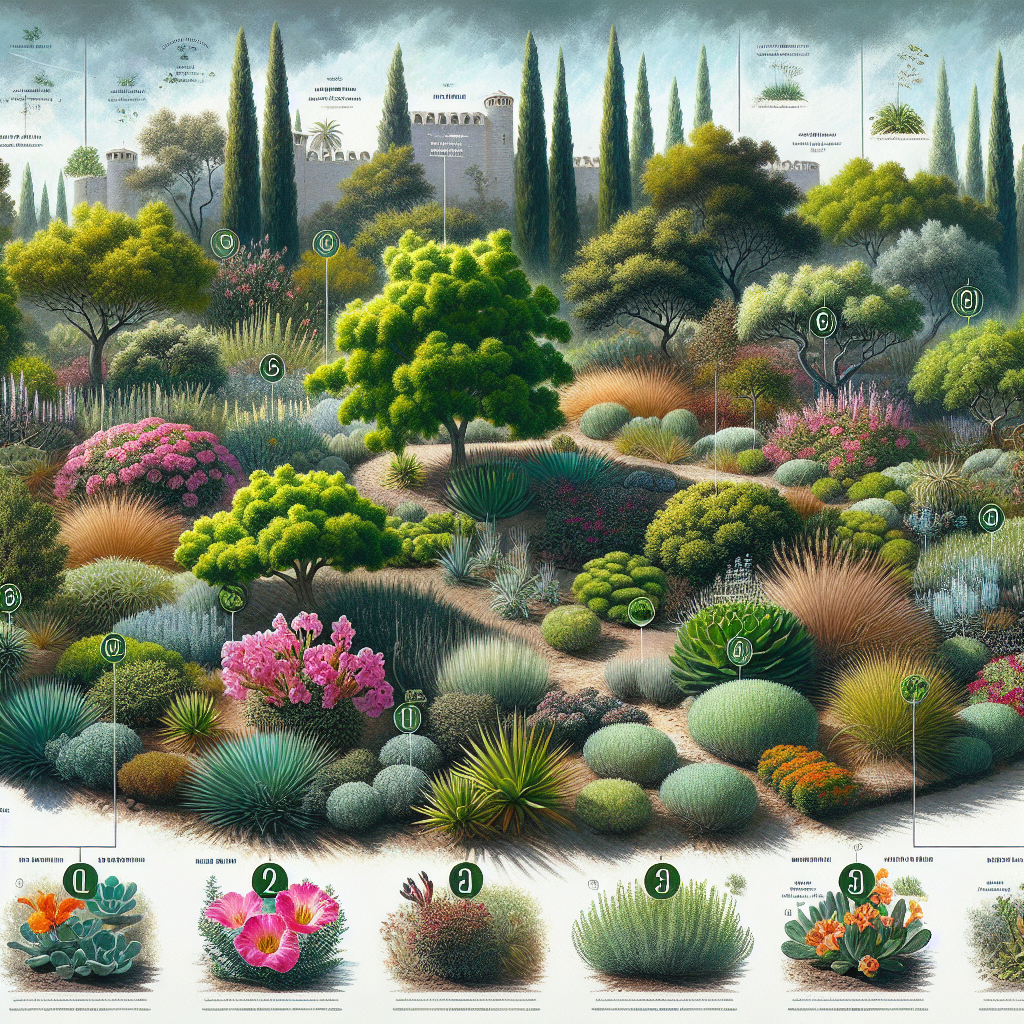
As climate change continues to influence our weather patterns, regions like Sacramento, California, are experiencing increasing periods of drought. With these challenges come opportunities for residents to adopt sustainable gardening practices that not only conserve water but also enhance the beauty of their landscapes. This article delves into the world of drought-tolerant plants in Sacramento, providing in-depth insights, tips, and answers to common questions.
Why Choose Drought-Tolerant Plants?
Environmental Conservation
Drought-tolerant plants are an excellent choice for conserving precious water resources. These species have adapted to withstand extended dry periods, making them ideal for regions that experience fluctuating rainfall.
Low Maintenance
Once established, drought-tolerant plants require less care than conventional garden plants. This translates into reduced gardening time and maintenance costs, making your gardening experience efficient and enjoyable.
Aesthetic Variety
Contrary to the common misconception that drought-tolerant plants lack visual appeal, they actually come in a diverse range of colors, textures, and sizes. From colorful succulents to flowering perennials, there’s a wealth of options to create a stunning landscape.
Resilience to Climate Change
As urban areas like Sacramento face the impacts of climate change, drought-tolerant plants are an important part of building climate-resilient gardens that can withstand extreme weather conditions.
Understanding Drought-Tolerance
What Makes a Plant Drought-Tolerant?
Drought-tolerant plants possess physical and physiological traits that help them survive with minimal water. Key adaptations include:
- Deep Root Systems: Many drought-tolerant plants, such as California native grasses and shrubs, develop extensive root systems that can access moisture from deeper soil layers.
- Water Storage: Succulents have adapted to store water in their leaves, stems, or roots, allowing them to endure prolonged dry spells.
- Leaf Adaptations: Some plants feature smaller leaves or waxy coatings that reduce water loss through transpiration.
Typical Characteristics
- Phytochemistry: Many of these plants produce compounds that help them manage water efficiently.
- Growth Patterns: Drought-tolerant plants often exhibit slower growth rates, which means they require less water for sustenance.
Popular Drought-Tolerant Plants in Sacramento
1. California Poppy (Eschscholzia californica)
The vibrant California poppy is not just the state flower; it’s also incredibly drought-tolerant. With its bright orange blooms, this plant thrives in well-drained soil and can tolerate poor soil conditions.
- Ideal Conditions: Full sun, well-drained soil.
- Watering Needs: Minimal once established.
2. Lavender (Lavandula spp.)
Lavender is not only drought-tolerant; it also emits a soothing fragrance. This plant thrives in hot climates and attracts pollinators like bees and butterflies.
- Ideal Conditions: Full sun, sandy or loamy soil.
- Watering Needs: Drought-tolerant once established; water only during prolonged dry spells.
3. Desert Marigold (Baileya multiradiata)
Known for its bright yellow blooms, the desert marigold adds a cheerful splash of color to drought-tolerant gardens.
- Ideal Conditions: Full sun and well-draining soil.
- Watering Needs: Very low; water only during dry periods.
4. Sedum (Sedum spp.)
Sedums, or stonecrops, are succulents that come in many shapes and sizes. They are a perfect ground cover for dry areas.
- Ideal Conditions: Full sun and poor, well-draining soil.
- Watering Needs: Rarely needs watering once established.
5. Agave (Agave spp.)
Agave plants, particularly Mexican varieties, are stunning and incredibly forgiving when it comes to water. They store a lot of moisture, making them excellent choices for dry gardens.
- Ideal Conditions: Full sun, well-draining soil.
- Watering Needs: Minimal; infrequent watering.
Creating a Drought-Tolerant Garden
Planning Your Garden
- Site Assessment: Analyze your garden’s sunlight, drainage, and soil type before choosing plants.
- Design Considerations: Group plants with similar water needs to make irrigation more efficient.
Soil Preparation
- Improving Drainage: Since drought-tolerant plants prefer well-draining soils, amend heavy clay soils with sand or organic matter.
- Mulching: Use organic mulches to improve soil moisture retention and reduce weed competition.
Planting Techniques
- Spacing: Adequate spacing between plants reduces competition and allows for better air circulation.
- Timing: Late fall or early spring are ideal for planting most drought-tolerant species.
Watering Strategies
When to Water
- Drought Stress: Monitor your plants for signs of drought stress, such as wilting or leaf drop, as some may tolerate quite a bit of dryness before showing symptoms.
Irrigation Methods
- Drip Irrigation: This method delivers water directly to the roots of plants, conserving water and minimizing evaporation.
- Rain Barrels: Collect rainfall to water your garden, reducing reliance on municipal water supplies.
Frequently Asked Questions about Drought-Tolerant Plants in Sacramento
What are the best times to plant drought-tolerant plants?
The best time to plant drought-tolerant plants in Sacramento is typically in the fall or early spring. These seasons allow the plants to establish their root systems before the intense summer heat arrives.
Can I combine drought-tolerant plants with traditional plants?
Yes, but consider creating a zoned garden where you group drought-tolerant plants together. This will simplify watering and maintenance.
How can I maintain soil health in a drought-tolerant garden?
Regularly add organic matter, such as compost, to improve soil structure. Mulching also helps retain moisture and promotes healthier soil!
What are the signs that a drought-tolerant plant needs water?
Signs include wilted leaves, browning leaf edges, and overall droopiness. However, be cautious; overwatering can be just as harmful as under-watering.
Are drought-tolerant plants more susceptible to pests?
Generally, drought-tolerant plants are more resilient to pests as they are well-adapted to their environment. However, regular monitoring is essential, as any stressed plant can become vulnerable.
Benefits for Biodiversity
Support Local Wildlife
Drought-tolerant gardens serve not just humans but the local ecosystem as well. Native plants provide essential habitats and food for local wildlife, such as:
- Pollinators: Bees, butterflies, and hummingbirds benefit from the nectar-rich blooms.
- Birds: By providing berries and shelter, you can attract various bird species to your garden.
Soil Health and Resilience
Drought-tolerant plants contribute to a more balanced ecosystem by enhancing soil health. Their deep root systems help in preventing soil erosion and improving water infiltration, which is crucial for maintaining soil health.
A Sustainable Future
Community Initiatives
Many community organizations in Sacramento promote the use of drought-tolerant landscaping. Participating in local workshops or initiatives can provide valuable knowledge and resources for those looking to create sustainable gardens.
Incentives for Water-Conserving Practices
The City of Sacramento offers several rebate programs for residents who convert their lawns to drought-tolerant landscapes. This initiative promotes widespread community engagement in water conservation efforts.
Conclusion
Incorporating drought-tolerant plants into your Sacramento garden presents an opportunity to create a beautiful, sustainable, and resilient landscape. With various species to choose from, effective gardening practices, and a commitment to environmental stewardship, you can enjoy the aesthetic appeal of your garden while conserving one of our most precious resources: water. Embrace the movement toward drought resilience, and cultivate a garden that thrives in the face of climate challenges.
As Sacramento continues to navigate its unique climate challenges, an educational approach to gardening and landscaping can yield bountiful rewards. By understanding the needs and benefits of drought-tolerant plants, you can contribute to a more sustainable future. Happy gardening!