
Introduction
In an era where climate change and water scarcity are becoming pressing issues, the demand for sustainable landscaping solutions has never been higher. One of the most effective strategies to combat these challenges is the incorporation of drought-tolerant plants, particularly hedges, into our gardens and landscapes. Drought-tolerant hedges not only enhance the aesthetic value of your property but also promote environmental sustainability. In this comprehensive article, we will explore various aspects of drought-tolerant hedges, including their benefits, types, maintenance, and the best practices for selecting and planting them.
What are Drought-Tolerant Hedges?
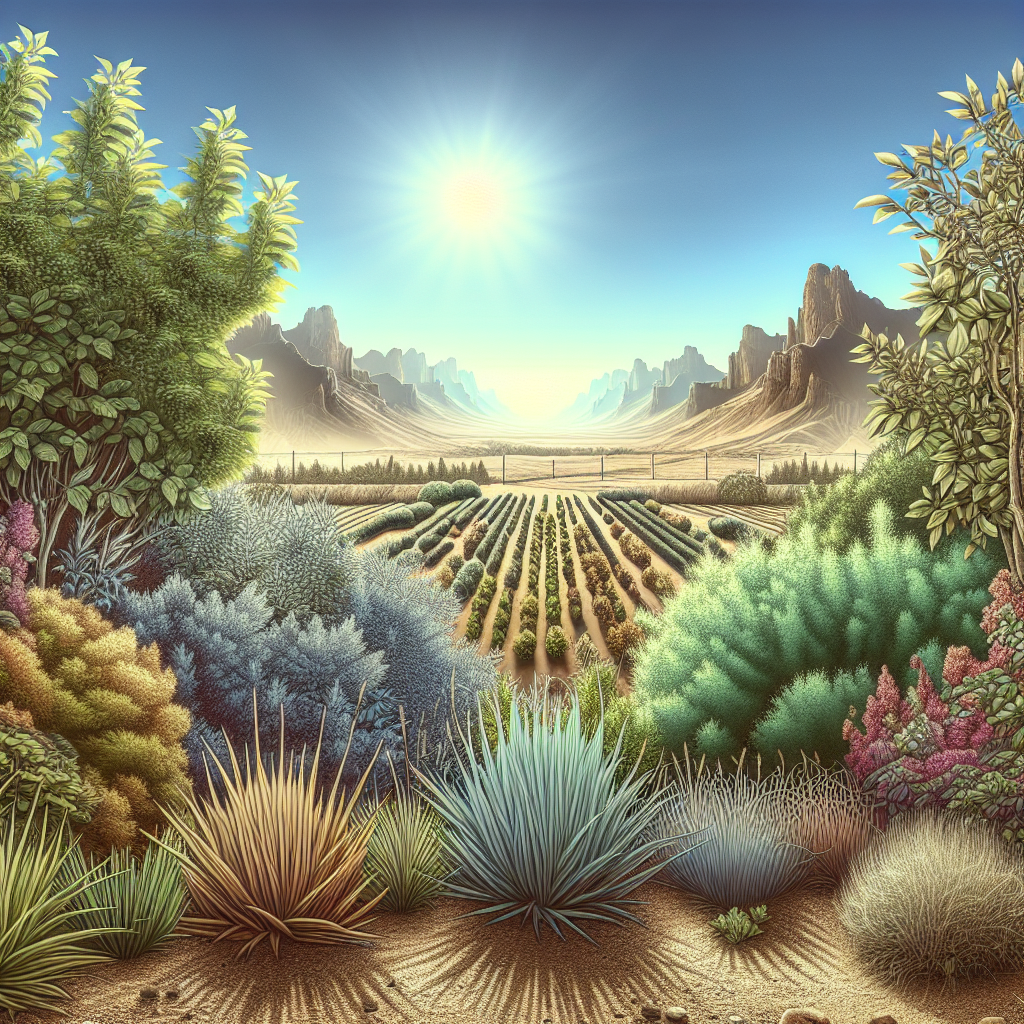
Drought-tolerant hedges are shrubs or small trees that require minimal water once established. These plants have adapted to thrive in arid conditions, making them a wise choice for gardeners in regions facing water shortages. Their characteristics may include deep root systems to access underground moisture, thick waxy leaves to reduce evaporation, and the ability to enter dormancy during periods of extreme drought.
Why Choose Drought-Tolerant Hedges?
-
Water Conservation: One of the most significant benefits of drought-tolerant hedges is their ability to conserve water. By selecting plants that require less irrigation, you can contribute to water-saving efforts while maintaining a beautiful landscape.
-
Reduced Maintenance: Drought-tolerant plants often require less pruning, fertilization, and pest control. This not only saves time but also reduces the need for chemicals, making for a healthier ecosystem.
-
Cost-Efficiency: Although some drought-tolerant species may have a higher initial planting cost, they typically require less ongoing care and resources, which can lead to significant savings over time.
-
Enhanced Biodiversity: Incorporating a variety of drought-tolerant plants can contribute to local biodiversity. Native species, in particular, attract beneficial insects and wildlife, promoting a balanced ecosystem.
-
Climate Resilience: As climate patterns shift, traditional landscaping might become more challenging. Drought-tolerant hedges offer a resilient approach to landscaping, adapting better to changing conditions.
Common Questions About Drought-Tolerant Hedges
1. What Types of Drought-Tolerant Hedges Exist?
There is a wide variety of drought-tolerant hedges suitable for different climates and aesthetics. Here are some popular options:
-
Junipers (Juniperus spp.): These hardy evergreens come in various sizes and forms, making them versatile for any garden.
-
Boxwood (Buxus spp.): Known for its dense foliage and formal appearance, boxwood can be easily shaped.
-
Lavender (Lavandula spp.): While often used as a border plant, lavender can also function as a low shrub hedge when trimmed.
-
Oleander (Nerium oleander): This flowering plant adds color and offers great drought resistance, but it’s essential to note that its leaves are toxic if ingested.
-
Indian Hawthorn (Rhaphiolepis indica): A popular choice in warmer climates, Indian Hawthorn features clusters of fragrant blooms.
-
California Lilac (Ceanothus spp.): This native plant boasts beautiful blue flowers in spring and requires minimal water.
2. How Do I Select the Right Drought-Tolerant Hedge for My Area?
Selecting the right hedge can depend on several factors:
-
Climate: Investigate your USDA Plant Hardiness Zone to determine which species will thrive in your region.
-
Soil Type: Understanding your soil’s drainage capabilities is crucial; some plants prefer sandy soils, while others thrive in clay.
-
Sunlight: Assess the sunlight in your garden; various species have different sunlight requirements.
-
Purpose: Determine whether you’re looking for a privacy screen, a border, or simply decorative elements.
-
Local Pests and Diseases: Some plants may be more susceptible to local pests or diseases; researching this can save you trouble later.
3. How Should I Plant My Drought-Tolerant Hedge?
The planting process for drought-tolerant hedges is relatively straightforward:
-
Site Preparation: Clear the area of weeds and debris. Loosen the soil and mix in some organic matter for better drainage and nutrient availability.
-
Spacing: Research the mature size of your chosen species to determine the appropriate spacing. An overcrowded hedge can result in poor air circulation and increased susceptibility to pests.
-
Watering: While these plants are drought-tolerant, they will still need water during their establishment phase (usually the first year). Water deeply but infrequently to encourage deep root growth.
-
Mulching: Apply mulch around the base of the plants to conserve moisture and suppress weeds.
4. What Maintenance Do Drought-Tolerant Hedges Require?
Although drought-tolerant hedges generally require less maintenance than traditional hedges, they still need some care:
-
Pruning: Regular pruning promotes healthy growth and can help maintain the desired shape of the hedge.
-
Weed Control: Keep the area around the hedge clear of weeds, especially during the establishment phase.
-
Fertilization: Generally, drought-tolerant plants do not require much additional fertilizer. However, a slow-release organic fertilizer can give them a boost if necessary.
-
Irrigation: Once established, these hedges can survive on rainfall alone, but occasional deep watering during prolonged dry spells may still be beneficial.
-
Pest Management: Monitor for pests and diseases, using organic methods whenever possible to mitigate issues.
5. What Are Some Tips for Design and Aesthetics?
Designing with drought-tolerant hedges can create visual interest in your landscape. Here are some tips:
-
Layering: Use a combination of heights, from taller hedges at the back to shorter ones in the front, to create depth.
-
Mixing Textures: Combine plants with different leaf shapes and colors for a more dynamic appearance.
-
Seasonal Interest: Choose plants that bloom at different times of the year for year-round beauty.
-
Integration with Hardscaping: Consider pairing hedges with non-plant elements such as rocks, gravel, or pathways for a cohesive look.
-
Native Plants: Incorporating native varieties not only supports local wildlife but also ensures that your hedges are well-suited to your local climate.
The Benefits of Choosing Native Species
Opting for native drought-tolerant hedges can be particularly advantageous. These plants are inherently adapted to local soil and weather conditions, require less maintenance, and are often more resilient to local pests. Additionally, native plants can create a habitat for local wildlife, including pollinators such as bees and butterflies.
Conclusion: A Greener Future with Drought-Tolerant Hedges
Drought-tolerant hedges are more than just a trend; they represent a sustainable approach to landscaping that conserves water, reduces maintenance, and enhances biodiversity. As we face increasing environmental pressures, the importance of choosing resilient plants becomes more evident.
By understanding the available options, selecting the right species for your climate and landscape, and implementing best practices for planting and care, you can create a thriving garden that not only looks beautiful but is also water-efficient.
Investing in drought-tolerant hedges is an investment in the future—one that promotes sustainability while bringing vibrancy and life to your outdoor space. Whether you are a seasoned gardener or a novice, drought-tolerant hedges can enhance your garden, promote biodiversity, and contribute to sustainable practices in our communities. As we all strive for greener ways of life, these hedges form a critical part of the solution.
In a world grappling with water shortages, drought-tolerant hedges stand as a testament to resilience, adaptability, and sustainability. They invite us to rethink traditional landscaping and embrace solutions that benefit not only our homes but the planet as a whole.