
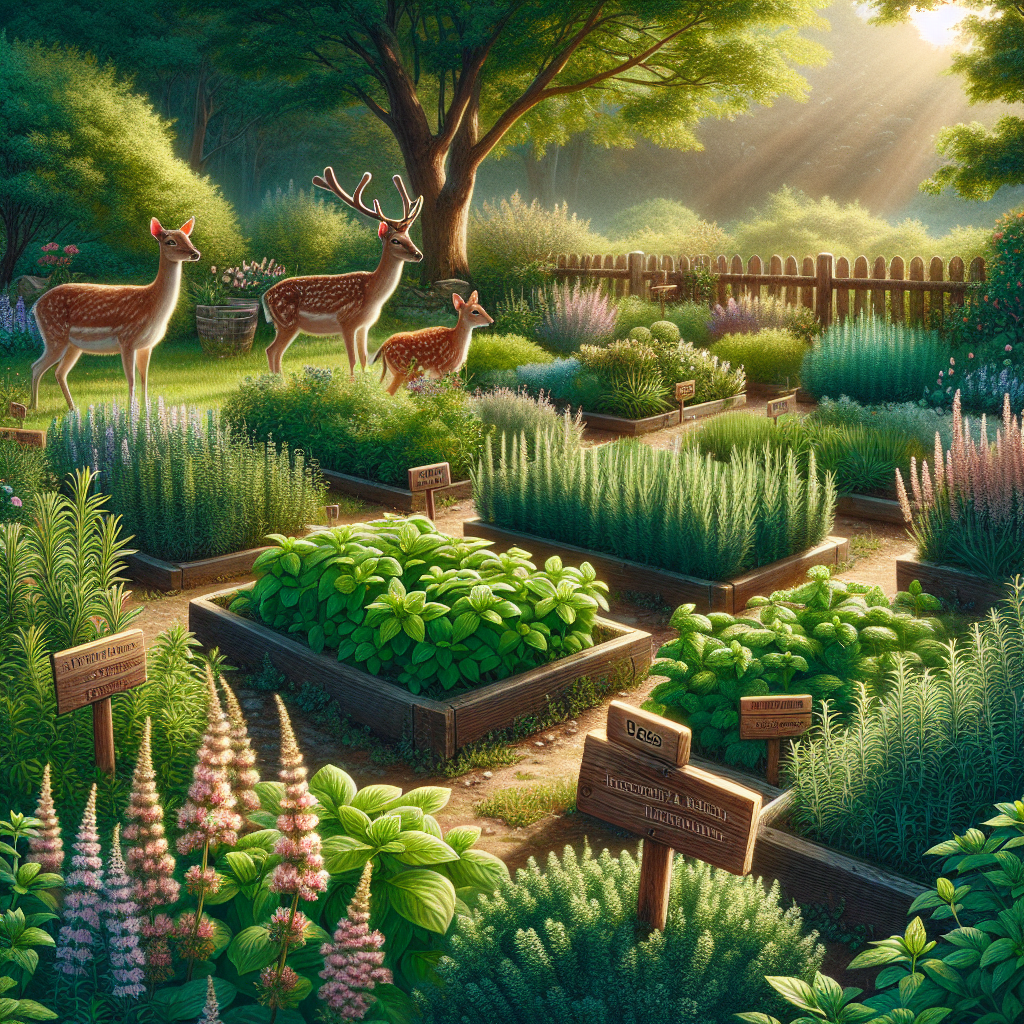
Creating a herb garden can be one of the most rewarding experiences for a home gardener. The satisfaction of growing your own herbs is amplified when they are used to add flavor and nutrition to your meals. However, in many parts of the world, gardens can quickly become a target for hungry deer. If you’ve ever noticed your carefully tended herbs disappearing overnight or your plants chomped down to stubs, you might wonder if it’s possible to create a herb garden that is resistant to these charming yet destructive animals. This article delves into everything you need to know about establishing a deer-resistant herb garden.
Understanding Deer Behavior
Before diving into the creation of a deer resistant herb garden, it’s essential to grasp a few basics about deer behavior. These graceful creatures are often drawn to gardens due to instinct and availability of the lush, tender foliage they find appealing. In regions where food is scarce, or during certain times of the year, deer will forage almost anywhere.
Frequently Asked Questions
Why do deer eat herbs?
Deer are browsers, which means they prefer to eat a wide variety of plants, including herbs. The tender leaves and aromatic qualities of many culinary herbs make them particularly appealing.
What time of year are deer most likely to visit my garden?
Deer tend to be most active during the spring and summer months when food is abundant and foliage is lush. However, they can become a nuisance year-round, especially in areas where natural foods have been depleted.
How can I tell if deer have been in my garden?
Signs of deer activity include hoof prints in the soil, chewed plant leaves with ragged edges, and the presence of deer droppings. Additionally, the telltale scent of deer can often linger in areas they frequent.
Why Go for a Deer Resistant Herb Garden?
Creating a deer-resistant herb garden has multiple benefits, including:
-
Sustainability: A herb garden can provide you with fresh flavors year-round, reducing your reliance on store-bought herbs.
-
Cost-Effective: Growing your own herbs saves you money in the long run, especially as many culinary herbs can be quite expensive when purchased fresh.
-
Aesthetic Appeal: A well-planned herb garden can enhance the beauty of your yard, adding color, texture, and fragrance.
-
Pest Resistance: Some deer-resistant herbs can also repel other garden pests, including insects, thereby promoting a healthier garden.
-
Increased Biodiversity: By cultivating a diverse range of herbs, you will contribute to the local ecosystem and attract beneficial insects.
Selecting Deer Resistant Herbs
When choosing plants for your deer-resistant herb garden, consider those that are aromatic, fuzzy, or have a strong flavor. Deer tend to avoid herbs with these characteristics. Below is a list of popular deer-resistant herbs you can include in your garden.
1. Lavender (Lavandula)
- Description: This aromatic herb has silvery-green leaves and spikes of purple flowers.
- Benefits: Not only is lavender a delightful addition to culinary dishes; it is also known for its calming properties.
2. Rosemary (Salvia rosmarinus)
- Description: This fragrant evergreen perennial has needle-like leaves and produces lovely blue flowers.
- Benefits: It thrives in dry, sunny locations and can be used for cooking meats, soups, and breads.
3. Thyme (Thymus vulgaris)
- Description: This versatile herb is known for its tiny leaves and compact growth habit.
- Benefits: In addition to being a culinary essential, thyme is drought-resistant and attracts pollinators.
4. Sage (Salvia officinalis)
- Description: With its broad leaves and varying colors from green to purple, sage is both decorative and functional.
- Benefits: It has a robust flavor that enhances meats and stuffing.
5. Mint (Mentha)
- Description: Mint varieties (like spearmint and peppermint) are fast-growing and spread quickly.
- Benefits: They can be used fresh in drinks, desserts, and savory dishes. Be cautious, though; plant in containers to control their spread.
6. Oregano (Origanum vulgare)
- Description: This herb has hearty, elongated green leaves with a potent aroma.
- Benefits: Oregano is a staple in Mediterranean cooking and is also known for its medicinal properties.
7. Chives (Allium schoenoprasum)
- Description: These perennial herbs boast long, slender green leaves and delightful purple flowers.
- Benefits: Chives are known for their mild onion flavor and are an easy addition to salads and sauces.
8. Fennel (Foeniculum vulgare)
- Description: This herb has feathery leaves and produces clusters of small yellow flowers.
- Benefits: It provides unique flavors to various dishes and draws beneficial pollinators.
Planting Tips
Once you’ve selected your herbs, it’s time to think about planting. Here are some tips to consider:
-
Location: Choose a sunny location, as most herbs thrive in full sunlight with well-draining soil.
-
Soil Type: Well-drained and nutrient-dense soil is ideal for herb growth. Consider adding compost to enrich the soil.
-
Spacing: Pay attention to the mature size of each herb when planting. Allow sufficient space between each to prevent overcrowding.
-
Watering: While newly planted herbs require consistent moisture, be cautious not to overwater, as this can lead to root rot.
Companion Planting
Certain herbs can benefit from companionship with each other, which can also deter deer. Here are a few pairings to consider:
- Basil and Tomatoes: Basil repels pests and enhances the growth of tomatoes.
- Mint and Cabbage: Mint’s strong aroma will help keep away pests that target cabbage.
- Rosemary and Beans: Beans fix nitrogen in the soil, while rosemary can deter some pests.
Attracting Beneficial Species
In addition to planting deer-resistant herbs, you can create an environment that encourages beneficial wildlife and insect species.
- Pollinators: Herbs like thyme, fennel, and dill attract bees and butterflies.
- Predatory Insects: Ladybugs and lacewings can lower pest populations if you provide them with herbs for shelter and sustenance.
Deer Deterrents and Garden Design
Even with deer-resistant herbs, you can take additional steps to deter deer from your garden:
1. Fencing
A sturdy fence is often one of the most effective ways to keep deer at bay. Ideally, the fence should be at least 8 feet high, as deer are adept jumpers.
2. Physical Barriers
Planting deer-resistant herbs nearer your house or using row covers can help protect tender plants.
3. Scent Repellents
Certain scents can deter deer. Try using garlic powder, hot pepper spray, or sprays specifically formulated to repel deer.
4. Movement Devices
Wind chimes, reflective tape, and even plastic bags tied to stakes can create movement that disorients deer.
5. Intercropping
Intermixing other deer-resistant plants, such as ornamental grasses or perennials with your herbs, can further deter deer. They may feel more hesitant to approach your garden area cluttered with unfamiliar scents and textures.
Maintenance and Care
A successful herb garden requires regular care:
-
Pruning: Regularly trim your herbs to encourage bushier growth and prevent them from flowering.
-
Harvesting: Frequent harvesting will promote growth; many herbs can be picked continually throughout the growing season.
-
Watering: Maintain consistent watering, particularly during dry spells. Be mindful of overwatering, especially in containers.
-
Pest Monitoring: Keep a close eye on your plants for any signs of pests or disease. Intervene early to prevent losses.
Seasonal Considerations
Your herb garden will go through seasonal changes, so adaptability is essential:
-
Spring: Begin planting your herbs after the last frost. Take advantage of this season to prepare your garden beds and lay a mulch layer to suppress weeds.
-
Summer: Maintain watering and harvesting. This is when your herbs will be in full swing, offering a bounty of flavors.
-
Fall: Many herbs can continue to thrive into the fall. You can also begin collecting seeds for future planting.
-
Winter: In colder regions, consider bringing potted herbs indoors or creating a mini greenhouse for them.
Conclusion
Establishing a deer-resistant herb garden is achievable with careful planning and knowledge. By strategically selecting herbs that deer find unappealing, employing various deterrent methods, and practicing good garden care, you will reap the benefits of a thriving herb garden without the frustrations of deer damage.
Remember that even in developing a deer-resistant garden, flexibility and observation are key. Take the time to adjust your strategies and learn from your experiences. In creating an herb garden that serves as a culinary treasure trove while also deterring deer, you create a harmonious environment that nourishes both you and the wildlife around you.
By leveraging the tips and techniques outlined above, you can create an enriching experience that will provide fresh herbs year-round without the worry of pesky deer raiding your garden. The bounty of flavors and aromas will not only elevate your culinary skills but also enhance your gardening adventure—making it both a delightful and rewarding endeavor. Happy gardening!