
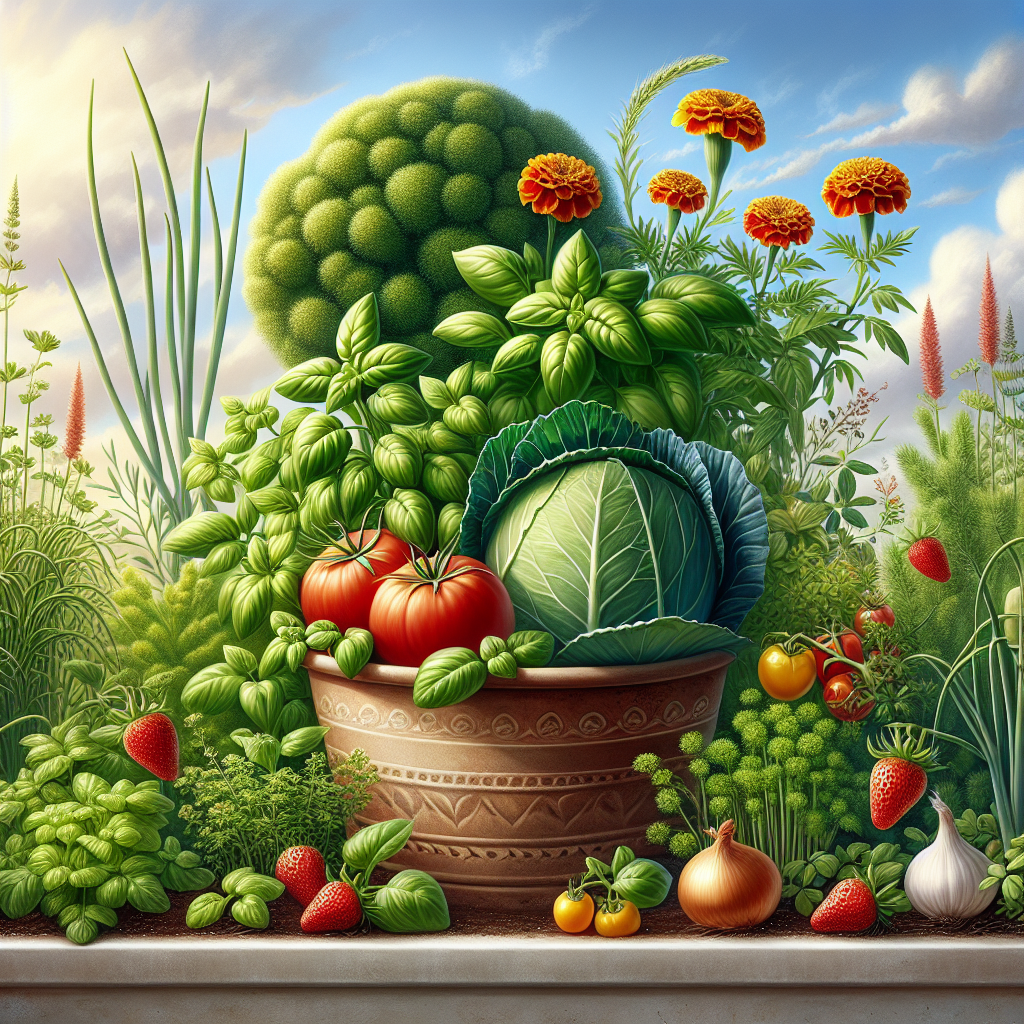
Container gardening has grown in popularity among both seasoned gardeners and urban dwellers who crave greenery but may not have access to traditional garden beds. One way to maximize the effectiveness and allure of container gardening is through the practice of companion planting. This technique not only promotes healthy plant growth but also strengthens the ecological relationships between various species. In this article, we’ll explore the concept of companion planting, its benefits, how to implement it in container gardening, and frequently asked questions surrounding this fascinating topic.
What is Companion Planting?
At its core, companion planting is the practice of planting different crops in close proximity for mutual benefit. The idea is to create a harmonious ecosystem where plants can support each other’s growth, deter pests, and even enhance flavors. Traditionally, this method has been used in larger gardens, but its principles can be equally applied to container gardening.
Benefits of Companion Planting
-
Pest Control: Certain plants can naturally repel pests that would otherwise damage your vegetables or flowers. For example, marigolds are known to deter nematodes and aphids.
-
Nutrient Utilization: Different plant species have varying root structures, which allows them to access different nutrients in the soil. For example, deep-rooted crops can access nutrients that shallow-rooted species cannot.
-
Pollinator Attraction: Some flowers attract bees and other pollinators, which can improve the yield of nearby fruit and vegetable plants.
-
Microclimate Creation: Taller plants can offer shade for smaller plants, extending their growing season.
-
Flavor Enhancement: In some cases, companion plants can improve the flavor of each other. For instance, basil is said to enhance the flavor of tomatoes.
The Principles of Companion Planting
To successfully implement companion planting in container gardens, several core principles should guide your choices:
-
Compatibility: Not all plants can cohabitate; some may compete for resources, while others may inhibit growth. Learn the compatibility of different plants before pairing them.
-
Growth Habits: Consider the height, spread, and root structure of plants to ensure they won’t compete for light and nutrients. Aim for a mix of tall plants and low-growing ground covers.
-
Soil Needs: Ensure that the soil and watering needs of your companion plants are similar to prevent one plant from outpacing the others.
-
Seasonality: Different plants thrive during different seasons. Pairing complementary seasonal plants can maximize the yield throughout the year.
Container Gardening and Its Unique Considerations
Container gardening presents unique challenges and advantages when it comes to companion planting. Smaller grow spaces require careful planning and considerations, so understanding how to make the most of your containers is key:
Choosing the Right Containers
-
Size Matters: Ensure each container is appropriate for the plants being grown. Deep-rooted plants like tomatoes might require larger pots, whereas herbs may thrive in smaller containers.
-
Material Choice: Materials such as terracotta, plastic, and ceramic each have different moisture and temperature retention properties. A good balance between these materials can affect plant growth.
-
Drainage: Proper drainage holes are essential to prevent waterlogging, which can lead to root rot. Always ensure your containers have adequate drainage.
Soil Mix
The right soil mix is critical for container gardening. A good mix retains moisture yet drains well. Adding organic compost can enrich the soil and provide necessary nutrients.
Watering
Container plants tend to dry out faster than those in traditional gardens. Therefore, consistent watering—especially for thirsty companions—is crucial. Consider using self-watering containers if your time is limited.
Designing Companion Plant Combinations for Containers
Now that we understand the principles and benefits of companion planting in container gardening, it’s time to explore some effective plant combinations you can implement.
1. Tomato, Basil, and Marigolds
Why This Combination Works:
- Tomatoes are prone to a variety of pests, but marigolds can help deter them.
- Basil is known to enhance the flavor of tomatoes while repelling thrips and whiteflies.
Container Tips: Use a medium to large planter since tomatoes will need ample space to grow. Consider using a thin layer of mulch on top of the soil to maintain moisture.
2. Carrots and Radishes
Why This Combination Works:
- Radishes grow quickly and can help break up the soil for slower-growing carrots.
- Radishes can also deter pests that might otherwise go after carrots.
Container Tips: Use a deep container to accommodate the carrot roots. Since radishes grow quickly, you can harvest them before the carrots mature, allowing room for the carrots.
3. Lettuce and Nasturtiums
Why This Combination Works:
- Nasturtiums attract aphids away from lettuce and can even act as a trap crop.
- They also create a vibrant splash of color while being edible themselves.
Container Tips: Choose a wide, shallow container for both plants to spread out. Make sure to monitor the water levels since lettuces require consistent moisture.
4. Peppers and Onions
Why This Combination Works:
- Onions produce a natural repellent for pests that commonly target peppers.
- This combination is great for maximizing vertical space.
Container Tips: Use a taller, narrow container for vertical growth. Ensure both plants are getting adequate sunlight, typically at least 6 hours a day.
5. Cucumbers and Sunflowers
Why This Combination Works:
- Sunflowers can provide structural support for climbing cucumbers.
- They also attract pollinators, enhancing yields.
Container Tips: Choose a large, deep container with support for the sunflowers. Make sure to regularly check that they’re getting sufficient light and water.
Common Questions and Answers about Companion Planting in Container Gardening
Q: Can I grow all types of plants together in one container?
A: Not all plants are compatible. Some may fight for nutrients, light, or moisture, while others may even inhibit each other’s growth. It’s best to do thorough research on plant compatibility.
Q: How do I know if my companion plants are unhappy?
A: Signs of plant distress may include yellowing leaves, stunted growth, or wilting. It may indicate competition for resources or unsuitable growing conditions.
Q: How can I maximize yield in a small container garden?
A: Utilize vertical gardening techniques, carefully select companion pairs, and ensure all plants are suited for similar light and watering conditions. Crop rotation and successions planting can also help maximize your output.
Q: Do companion plants really make a difference?
A: Yes! Many gardeners have seen significant improvements in yield and plant health through companion planting. While research is still ongoing, the anecdotal evidence is compelling.
Q: Are there companion plants that can help pollinators?
A: Absolutely! Many flowering plants like marigolds, zinnias, and alyssum attract beneficial insects such as bees and butterflies, creating a more productive garden.
Q: How do I maintain soil health in container gardening?
A: Regularly amend the soil with organic matter, avoid over-fertilization, and rotate crops if you can. Monitor for pests and diseases and respond quickly for the best results.
Conclusion
Companion planting adds an enriching layer of interaction and synergy to container gardening. By carefully selecting companion plants, gardeners can enhance yields, reduce the risk of pests, and even elevate flavor profiles. While urban container gardening may present its challenges, the rewards of cultivating a multifaceted ecosystem can be immense and gratifying.
As you embark on your planting journey, take the time to experiment with different combinations and observe their interactions. With patience and care, you can create a thriving container garden that is not just aesthetically pleasing but also a bountiful source of fresh produce and enjoyment.
Harness the power of companion planting and transform your container garden into a flourishing ecosystem that benefits both you and your plants!